Interactions // Trip to Aesthetica Short Film Festival
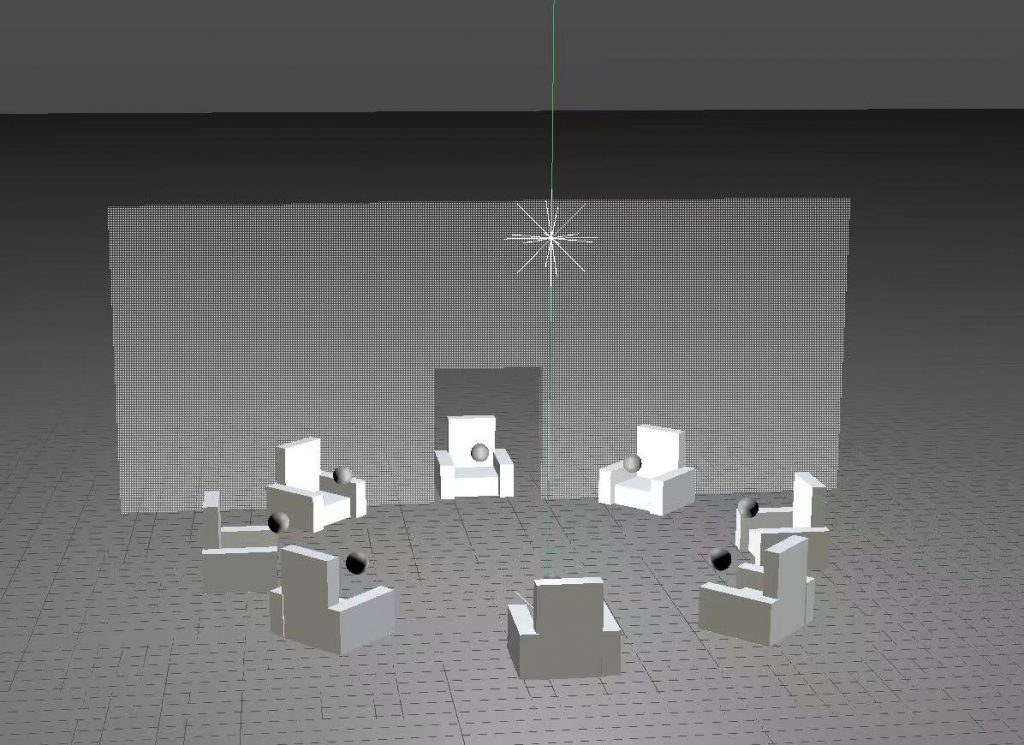
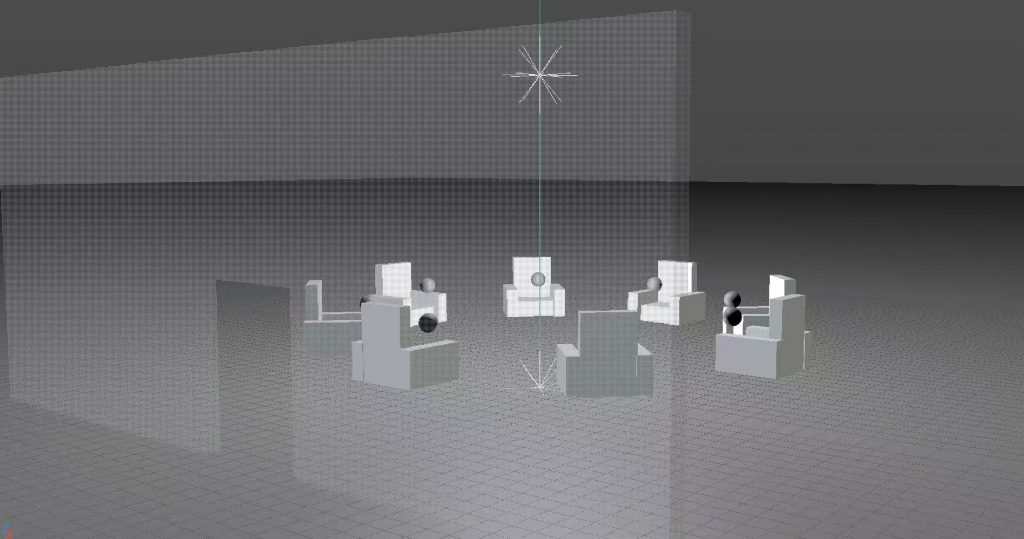
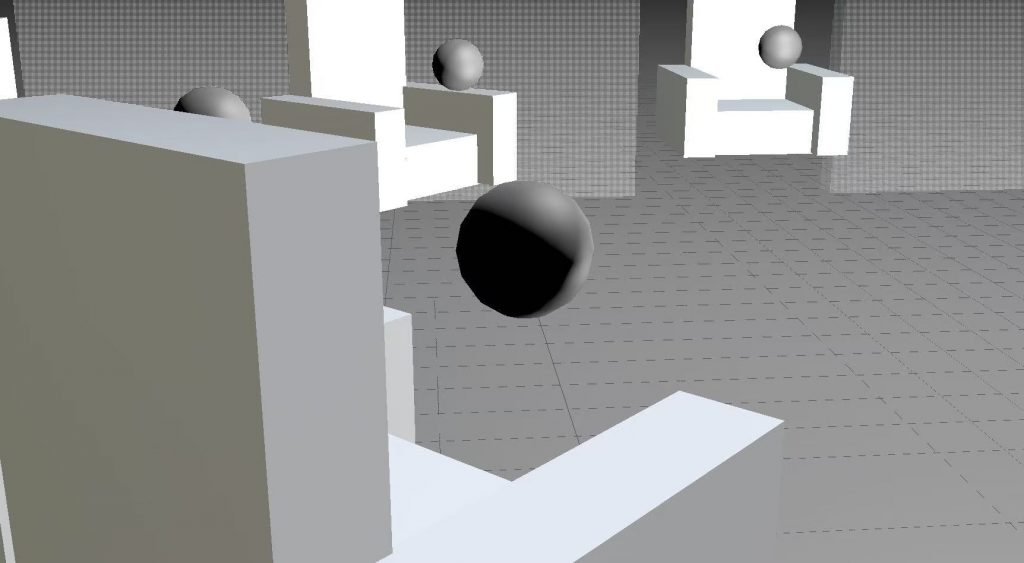
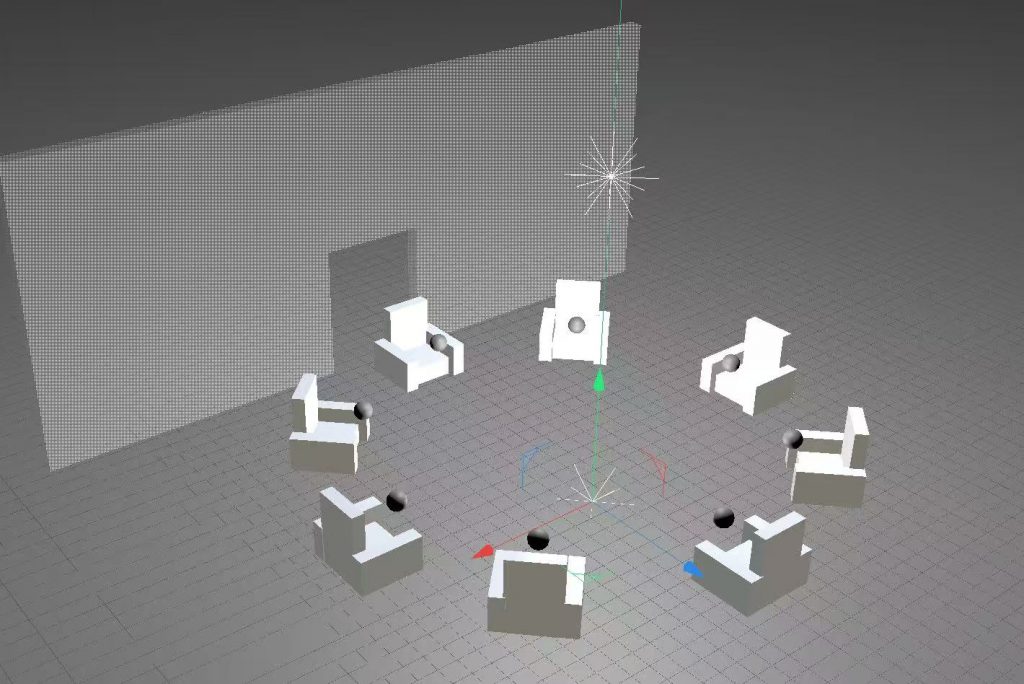
In the seventh week, we built the 3D model of the support room. This stage focused on translating our previous visual sketches into a spatial environment.
The modelling process helped us test proportions, seating arrangements, and spatial relationships, and consider how the room would function as an immersive space rather than just a visual concept.
In Week 7, our discussions shifted toward defining the overall tone of the project and the kind of experience we wanted the audience to enter. Building on the previous week’s conversations about the dog’s form, we began to address a broader question: what should this wedding feel like for the participant?
Through reflection on our earlier ideas, we realised that overly abstract or heavily symbolic approaches risked pushing the experience toward a darker or more unsettling direction than we intended. This led us to clarify that, on the surface, we wanted the wedding to feel relatively light and even subtly comedic. Rather than creating tension through fear or discomfort, we aimed for a sense of gentle absurdity—an atmosphere that feels strange but not threatening.
Choosing a lighter tone was not about diminishing the emotional weight of the story. Instead, it was a way of making the experience more accessible. Weddings are already highly ritualised events, often filled with exaggerated gestures, formal procedures, and social performance. We began to see these qualities as opportunities for humour and irony, allowing emotional tension to emerge naturally through imbalance and repetition rather than overt conflict.
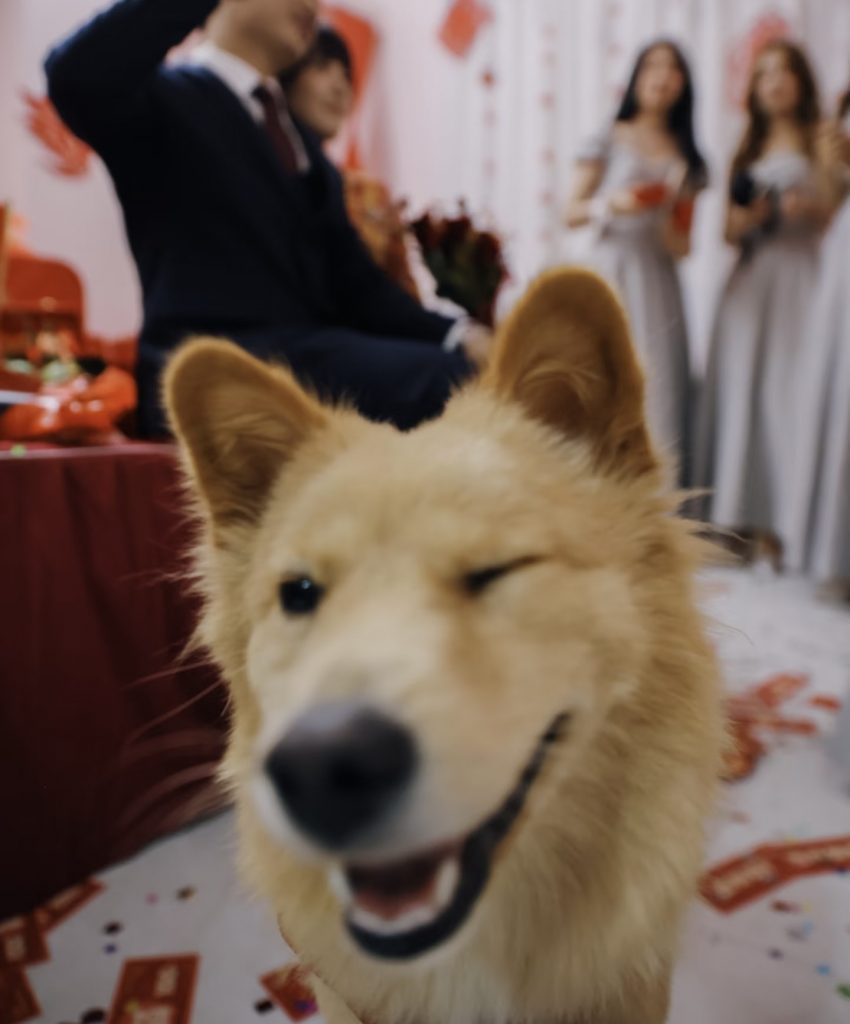
Within this context, we revisited our narrative elements to assess whether they supported this tonal direction. The representation of the dog, the intensity of the mother’s behaviour, and the participant’s position within the ceremony all needed to avoid pushing the experience into something overly oppressive or psychologically heavy. We became more cautious about design choices that might feel conceptually rich but risk alienating the audience or disrupting the intended mood.
This week also helped us recognise that humour and lightness do not equate to superficiality. Within a wedding that appears playful or slightly absurd, themes of growing up, letting go, and independence can be communicated in more subtle and resonant ways. Rather than explicitly signalling emotional seriousness, the experience allows participants to gradually sense changes in relationships through participation and observation.
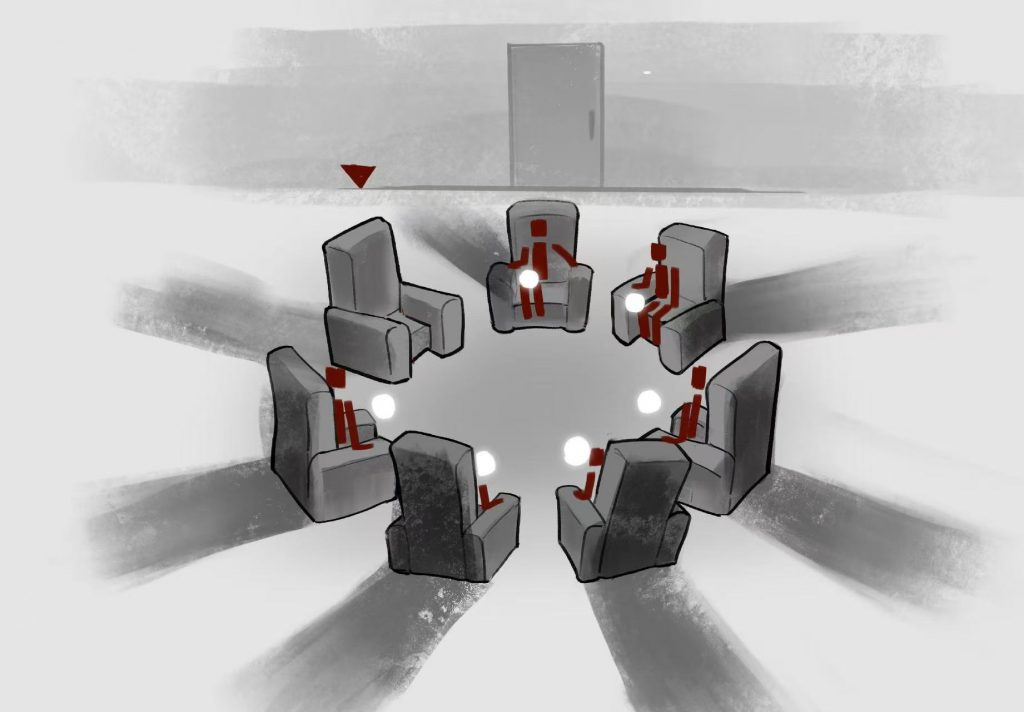
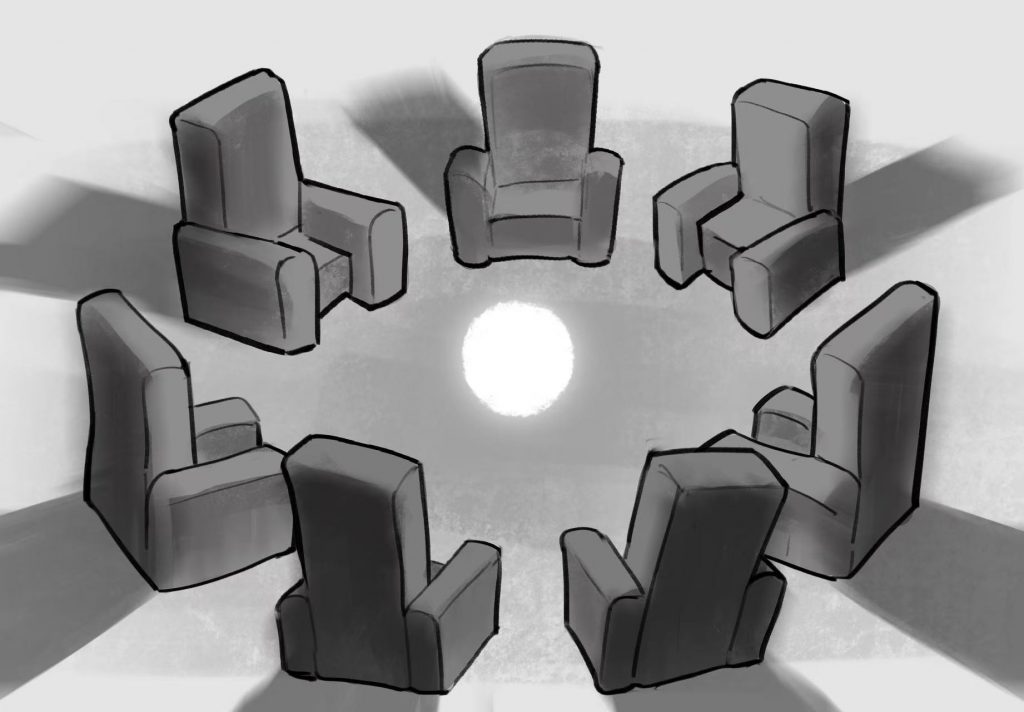
This week, we produced several iterations of the support room environment through visual sketches. We explored different spatial layouts and atmospheres, focusing on how the room could communicate safety, privacy, and emotional support.
Making multiple versions helped us compare options more clearly and reflect on how small changes in lighting, seating arrangement, and scale might affect the overall feeling of the experience.
In Week 6, our discussions became more focused on the central symbolic figure in the story—the dog—and how it should be represented within the XR experience. Rather than expanding the narrative, this week was about refining and questioning a single core element, as we began to recognise how strongly the form of the dog would shape the overall tone and accessibility of the project.
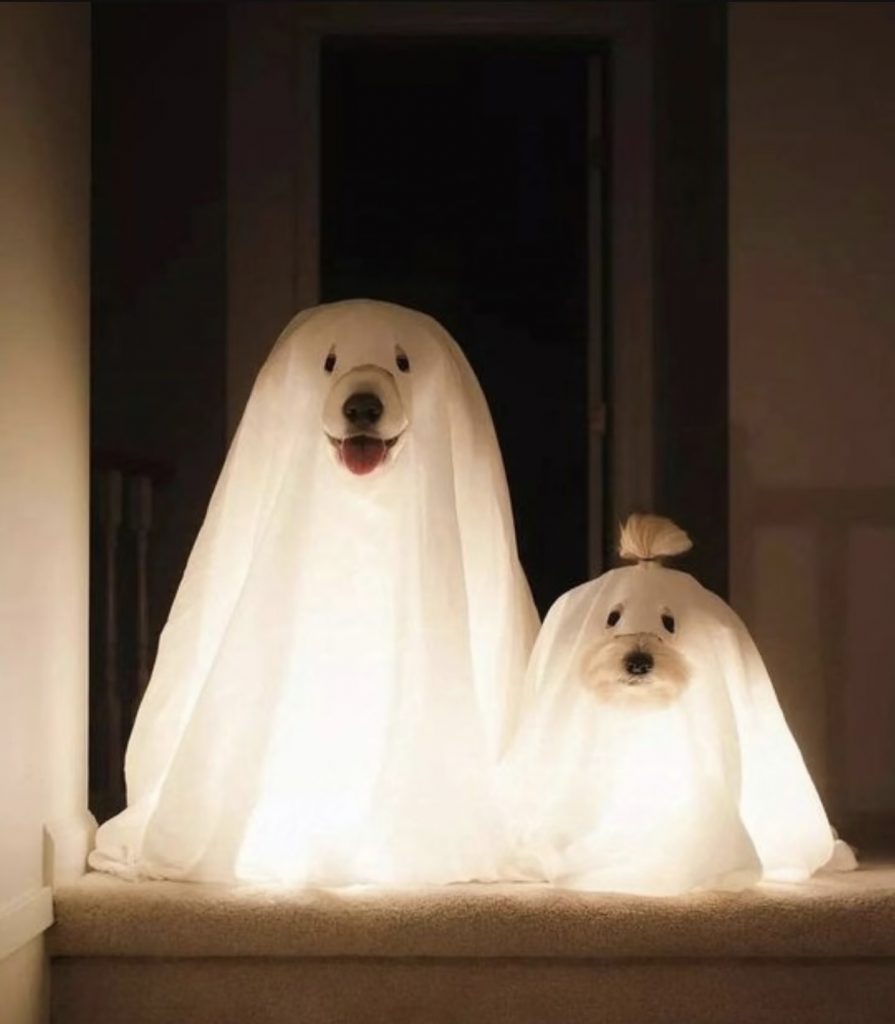
Initially, we considered presenting the dog as a ghostly or intangible presence. This idea emerged from our desire to emphasise its symbolic nature, treating the dog as an emotional projection rather than a literal character. However, as we discussed this approach further, we became aware that such an abstract representation might create emotional distance for the participant and weaken the warmth of the family dynamic we were trying to convey.
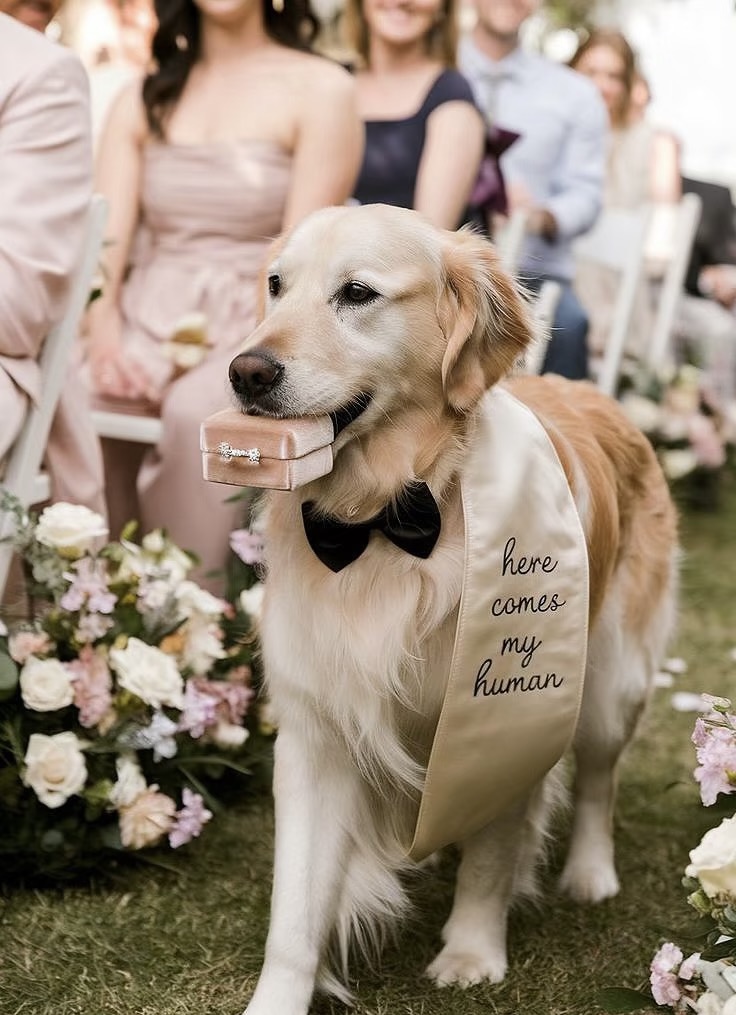
Following feedback from our tutor, we shifted toward imagining the dog as a physical, tangible presence. This change was not merely a visual adjustment, but a reconsideration of how the experience would be received. A physical dog allows the family’s behaviour—treating it seriously and addressing it with care—to feel more grounded and believable, even within a surreal narrative context. This helped us realise that symbolism in XR does not necessarily need to rely on overtly unreal forms, but can be embedded in everyday actions and attitudes.
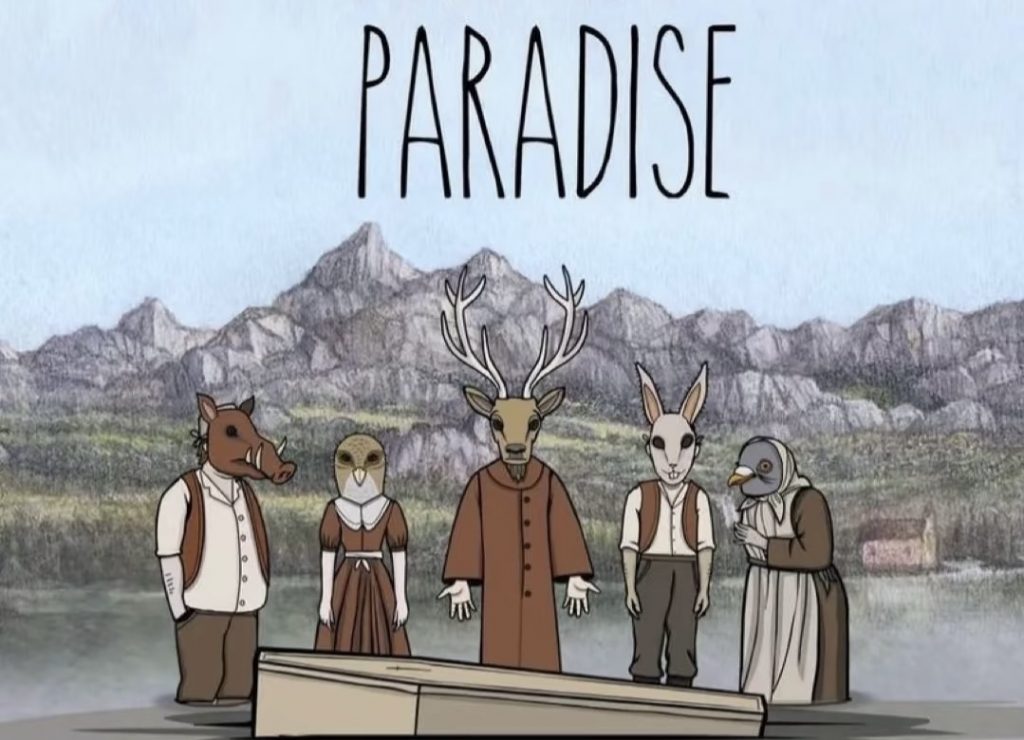
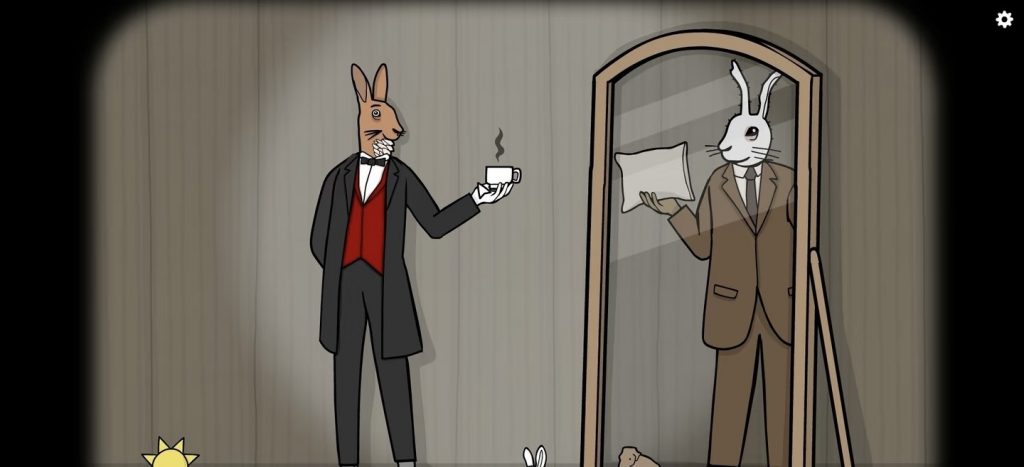
During this process, we also explored a more exaggerated visual direction inspired by Rusty Lake, specifically the idea of a humanoid figure with a dog’s head. This option was ultimately rejected, as it pushed the tone of the project toward something darker and more unsettling than we intended. Since our aim was to create a wedding experience that felt relatively light, and even subtly comedic on the surface, such a grotesque form risked overshadowing the emotional nuance of the story and shifting audience expectations too strongly.
These discussions made it clear that the form of the dog is not just a symbolic choice, but a key factor in establishing the emotional tone of the experience. Overly abstract or disturbing imagery could draw attention away from the relational dynamics at the heart of the story, causing participants to focus on decoding the concept rather than engaging with the emotional situation.
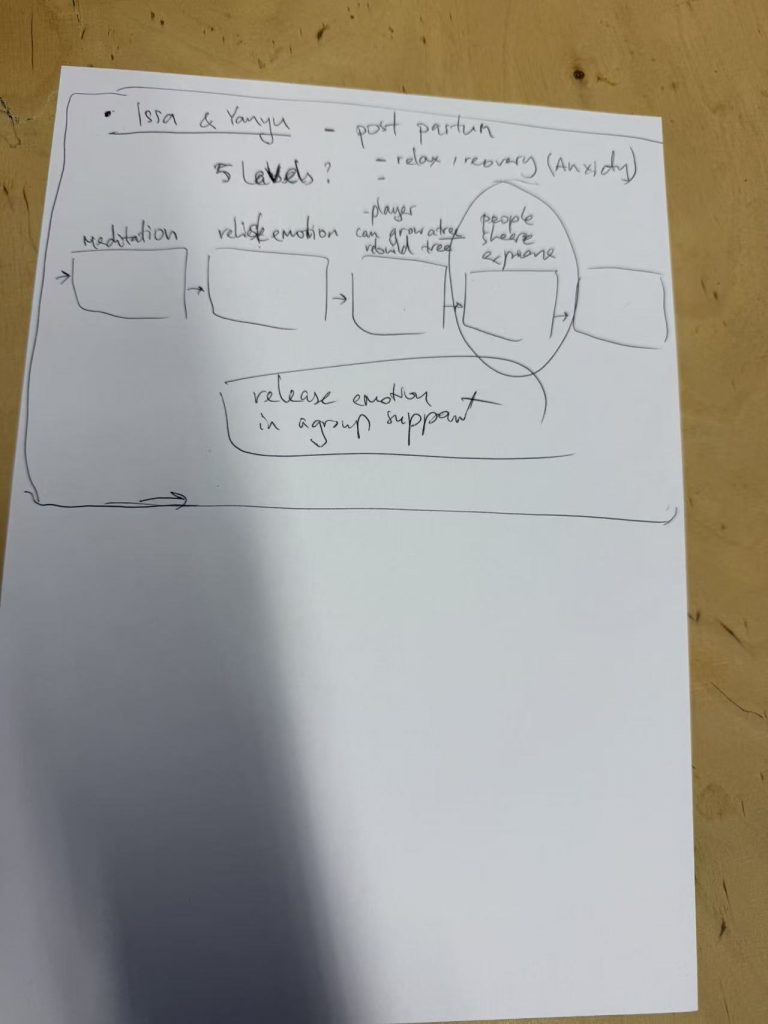
In the fifth week, we received feedback from the tutor on our project structure. Based on this guidance, we simplified the original game flow and reduced it from five levels to two core stages.
This process helped us realise that a more focused structure could better support the emotional experience, and that simplification can be an important part of designing meaningful interactions.
In Week 5, our focus expanded from narrative structure toward ethical considerations within XR experiences. The lectures and readings this week addressed why ethics matter in immersive media, the potential risks of heightened embodiment, and real-world examples where immersive design raised ethical concerns. While this week did not directly advance the project’s form, it significantly influenced how we began to evaluate our narrative decisions.
Through discussions around games as storytelling systems, we revisited the idea that interactive narratives do not simply present stories but construct systems in which participants act, identify, and sometimes assume responsibility for outcomes. In XR contexts, this involvement becomes more bodily and emotionally intense, which amplifies the designer’s responsibility. This prompted us to question how our project positions the participant and which emotional perspectives they are implicitly encouraged to adopt or reject.
The lecture on ethics in XR further highlighted issues such as emotional overload, psychological pressure, role confusion, and the blurring of boundaries between virtual experience and everyday life. These considerations challenged the assumption that stronger immersion is always beneficial. We began to recognise that immersive intensity, if not carefully framed, can place an unintended burden on the participant rather than deepen understanding.
When reflecting on our developing project, these discussions introduced new uncertainties. Our narrative centres on family relationships, growing up, and letting go, using symbolic figures and multiple perspectives to convey emotional tension. In light of the ethical discussions, we started to question whether this approach might impose excessive emotional weight on the participant or obscure the boundary between observation and identification—particularly given the themes of parental control, emotional responsibility, and identity.
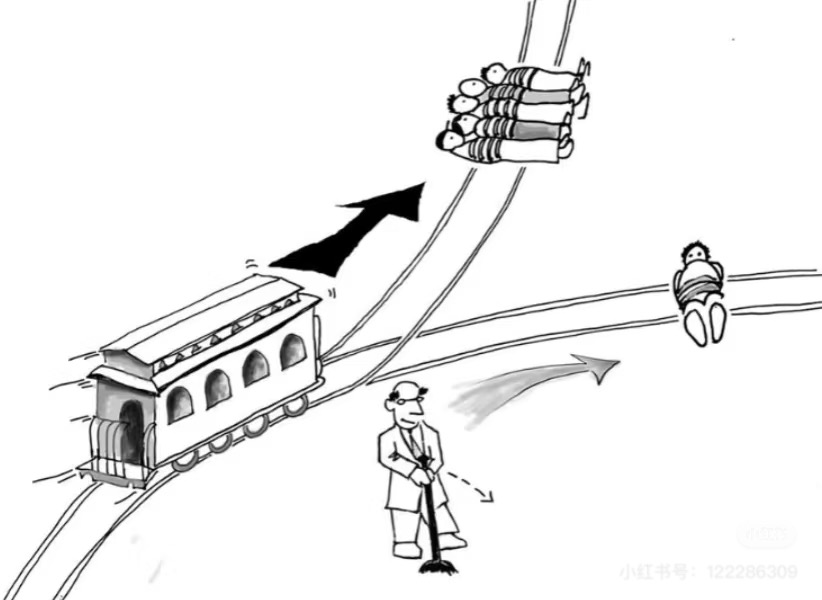
Ethical considerations also led us to rethink the role of constraint within the experience. Limiting action, restricting choice, or forcing participation can be powerful narrative tools, but they also raise questions about consent, comfort, and clarity. This week encouraged us to treat such design decisions as ethical choices that require justification, rather than purely formal or aesthetic strategies.
In Week 4, the course focused primarily on the analysis and discussion of VR narrative case studies. Rather than producing new material, this week functioned as a period of methodological input, helping us understand how immersive narratives are structured and experienced. For us, this stage was less about advancing the final form of the project and more about building a conceptual framework for thinking about VR storytelling.
Through the examination of various XR narrative examples, we were introduced to an event-based way of understanding immersive storytelling. Unlike traditional scripts that rely on linear plot progression, VR narratives are often structured around the participant’s position, access to information, and the actions they are allowed or prevented from performing at any given moment. This perspective highlighted that narrative meaning in VR can emerge from the sequencing of experiences and shifts in viewpoint, rather than from explicit causal storytelling.
Alongside this theoretical input, our group continued to develop an initial XR story draft, resulting in a preliminary treatment. This version focused on three interconnected themes: growing up and letting go, the tension between love and independence, and the ways families express care. We aimed to explore these themes through a symbolic narrative approach that could translate emotional relationships into immersive experience.
At the centre of the story is a symbolic “dog,” originally given by a mother to her daughter during childhood and consistently treated as real by the family. Whether the dog would ultimately take the form of a toy, a real pet, or a symbolic presence remained under discussion. At this stage, our interest lay primarily in its emotional function: representing protection, attachment, and the responsibility that is gradually transferred from parent to child as independence emerges.
Structurally, we began experimenting with a multi-perspective framework in which the participant experiences the story through different roles. The player would initially occupy more observational positions before transitioning into roles that are directly involved in the emotional dynamics, such as the mother or the bride. Certain key scenes were conceived as recurring narrative nodes, reappearing across perspectives to reinforce symbolic meaning rather than to advance plot in a conventional sense.
At this point, the narrative structure was still fluid and unresolved. Questions remained regarding the precise form of the dog as a symbol and whether the accumulation of perspectives and symbolic layers might complicate the experiential clarity of the story. However, these uncertainties were understood as part of the exploratory process. The case studies discussed in class encouraged us to think of narrative not as a fixed text, but as a sequence of experiential events that would need to be tested and refined through design.
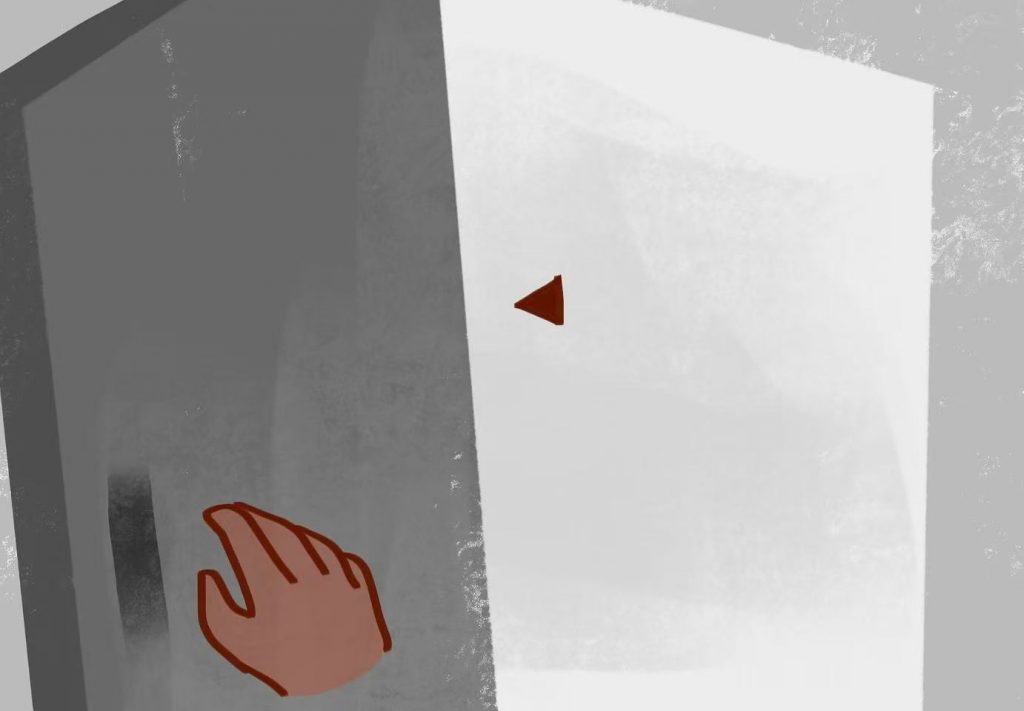
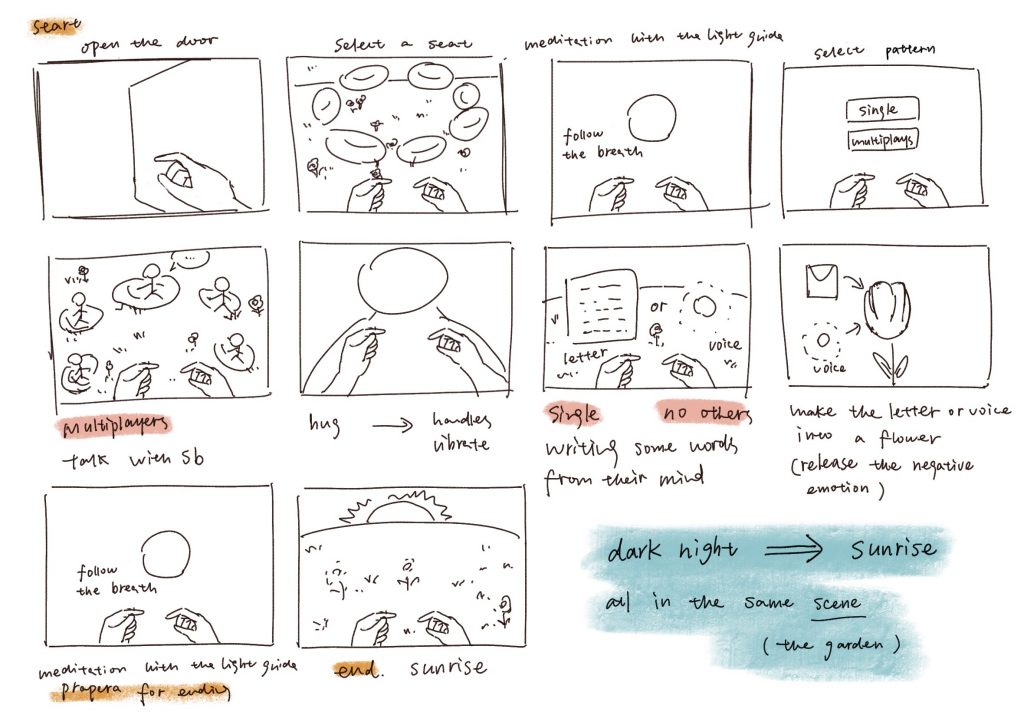
This week, we further defined the game flow of the project. Initially, we designed five levels, each representing a different stage of the experience, guiding users from entering the space through emotional regulation, externalisation, and closure.
By mapping out the flow through sketches, we began translating the idea of a “healing space” into a structured interactive experience, and reflected on how pacing and progression affect emotional engagement.
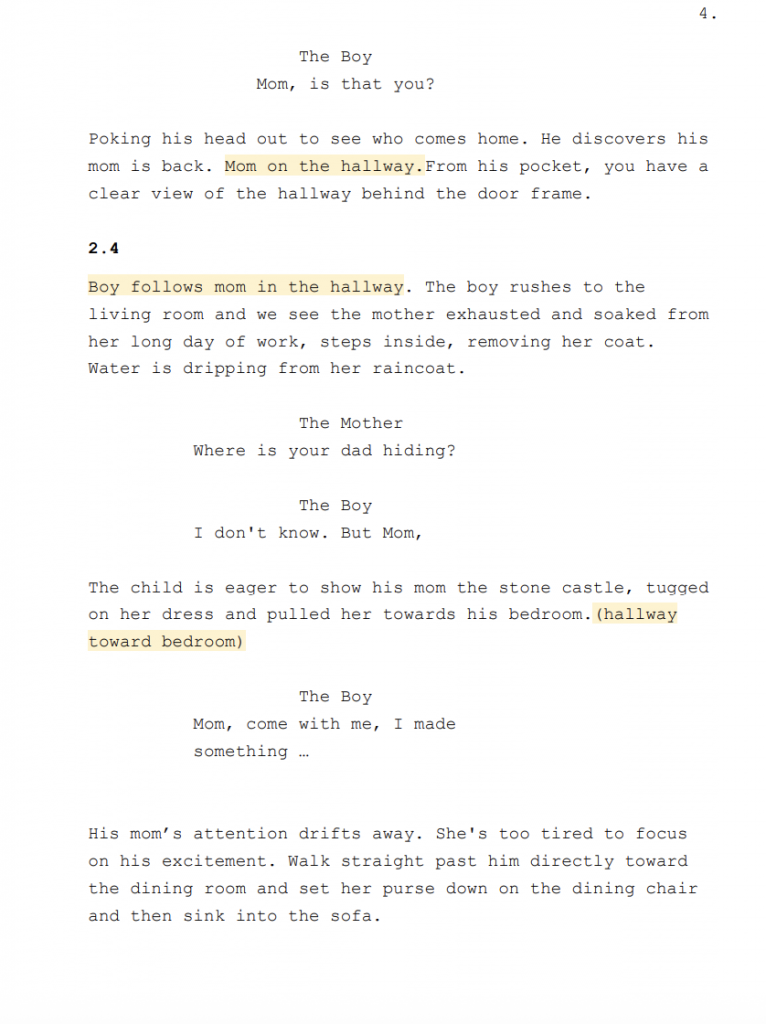
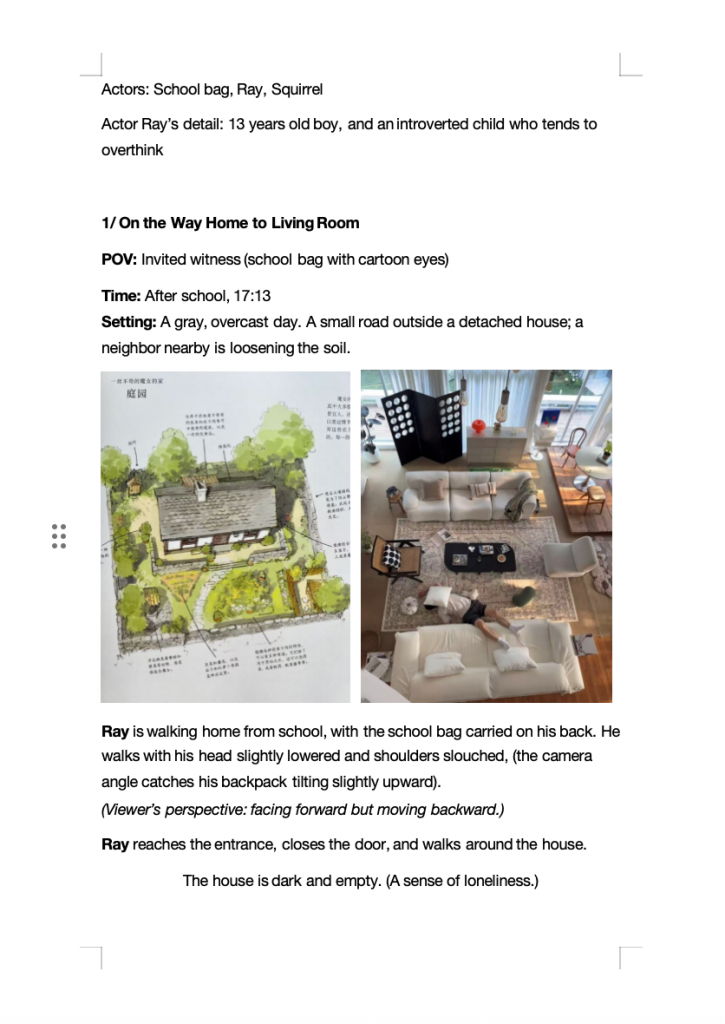
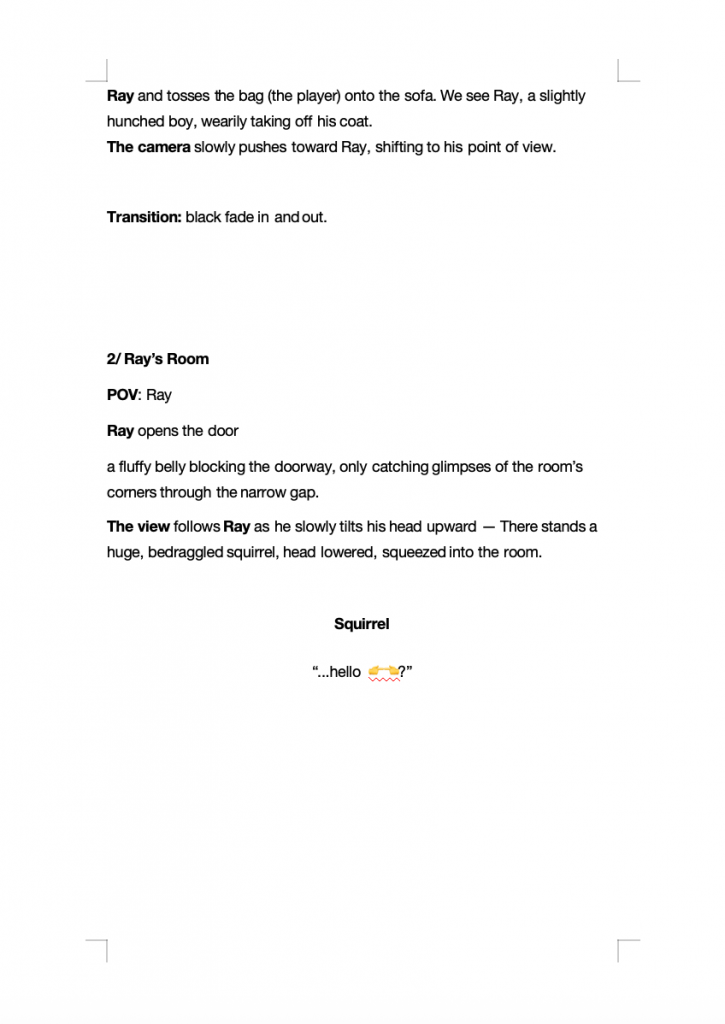
In Week 3, we began to develop a more structured understanding of the basic components of a script. Through a small script practice exercise, we moved beyond abstract discussions of theme and emotion and started to break narrative down into concrete, executable elements, including point of view (POV), time, space, character relationships, and the position of the audience within the experience.
The exercise was built around a simple everyday scenario: a 13-year-old boy returning home from school. A clear experiential point of view was required, so we experimented with a non-human but carried witness perspective—the school bag. The audience entered the story from the position of the bag on the boy’s back, passively following his movement without the ability to intervene. This setup helped us understand that narrative does not necessarily rely on inner monologue or complex plot progression; emotional atmosphere can be established through perspective, action, and spatial transition alone.
During the exercise, we paid particular attention to shifts in point of view and emotional progression. The first part positioned the audience as an “invited witness” entering the domestic space, using emptiness and low light to suggest isolation. This then transitioned into the character’s first-person perspective, bringing the audience closer to the boy’s internal state. In the second scene, a sudden change in spatial scale—contrasting the small bedroom with an oversized squirrel figure—was used to create a sense of imbalance and unease, rather than relying on explicit narrative explanation.
This practice made it clear to us that a script is not defined only by what happens, but by how perspective, pacing, and experiential positioning shape emotional understanding. Even within a short exercise, choices around POV, transitions, and spatial relationships significantly affected how the scene was perceived.
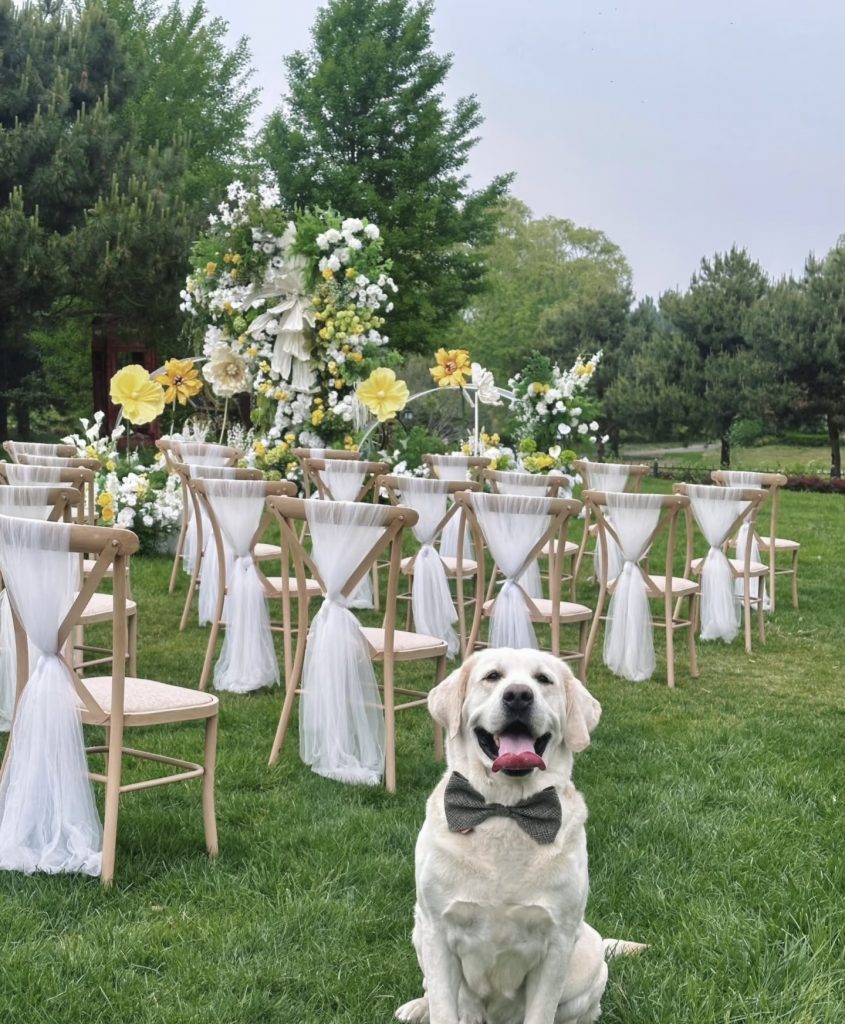
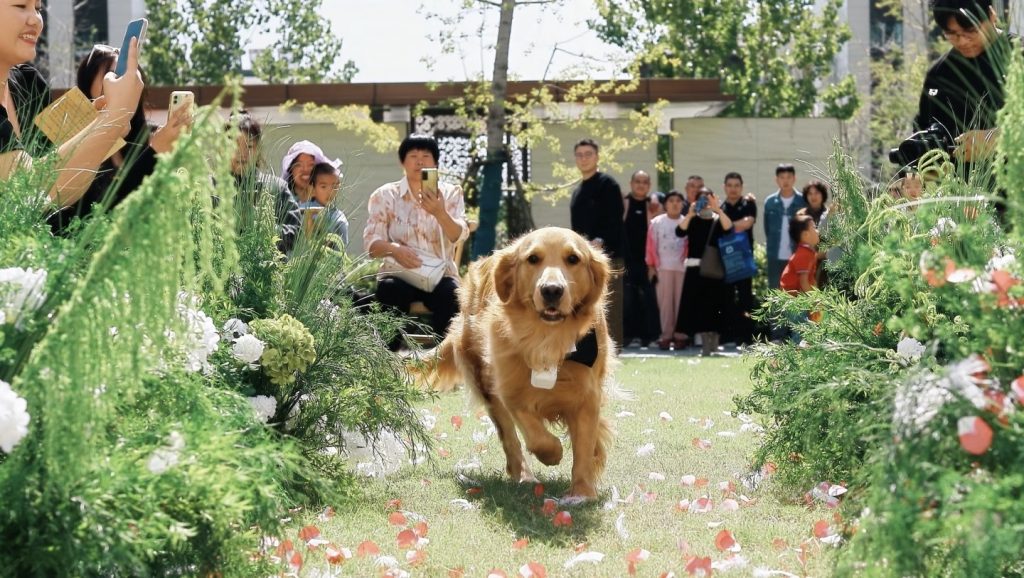
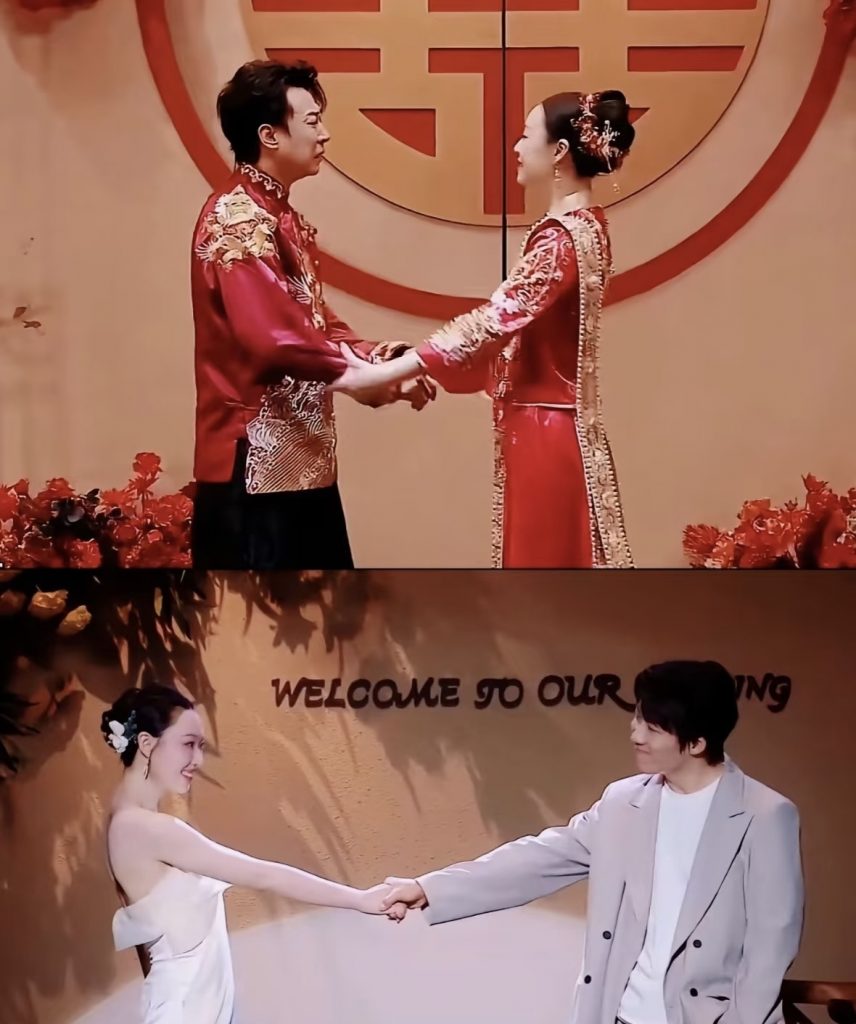
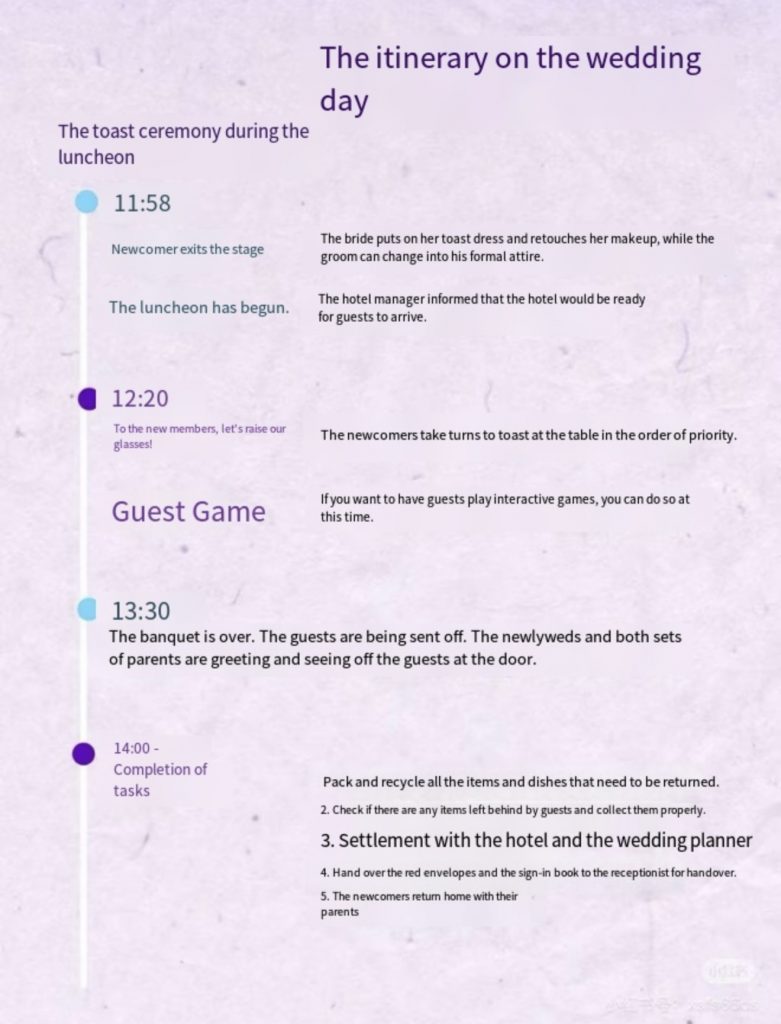
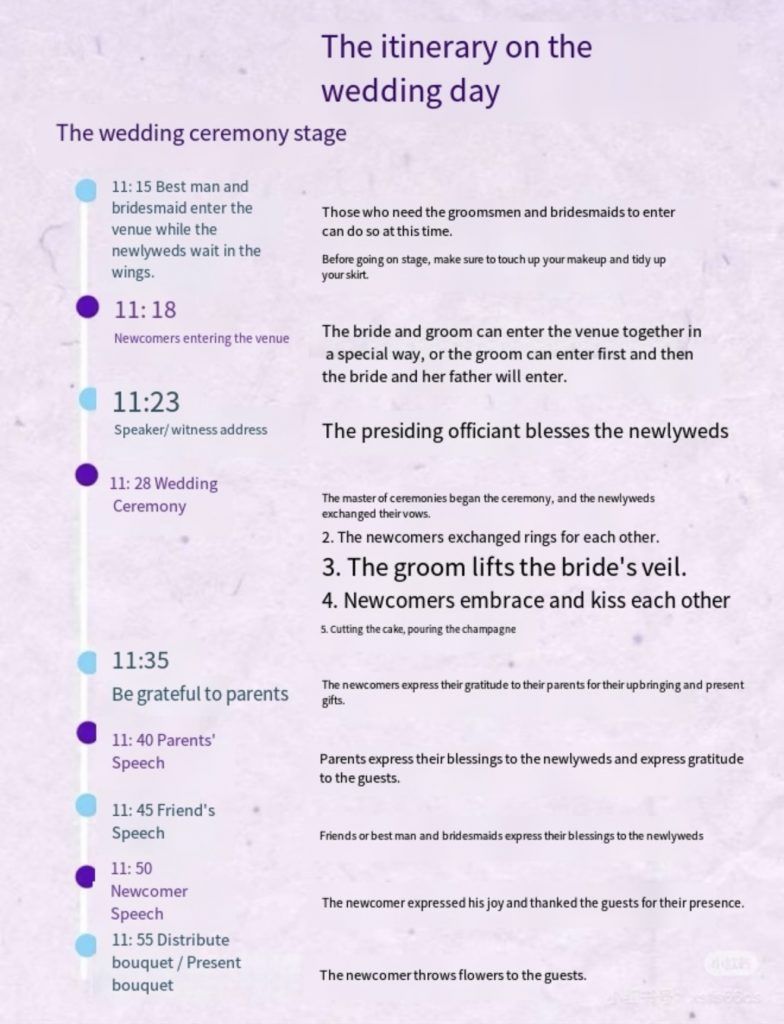
At the project level, this week also marked an important decision. Building on the discussions of the previous two weeks, we formally confirmed the wedding as the core theme and narrative context of our project. Through the script exercise, we began to recognise that a wedding, like the practice scenario, is highly dependent on perspective and spatial relationships. Different positions within the same event allow access to different information, levels of agency, and emotional intensity. This reinforced our decision to situate changes in family relationships within a ritualised and highly structured social space.
Level Design, Unity VR Meta All in One SDK and Intro to Mocap
In the third week, we learned about level design, the Unity VR Meta All-in-One SDK, and had an introduction to motion capture (Mocap). This helped me understand how scale, spatial layout, and bodily movement can influence emotional experience in VR.
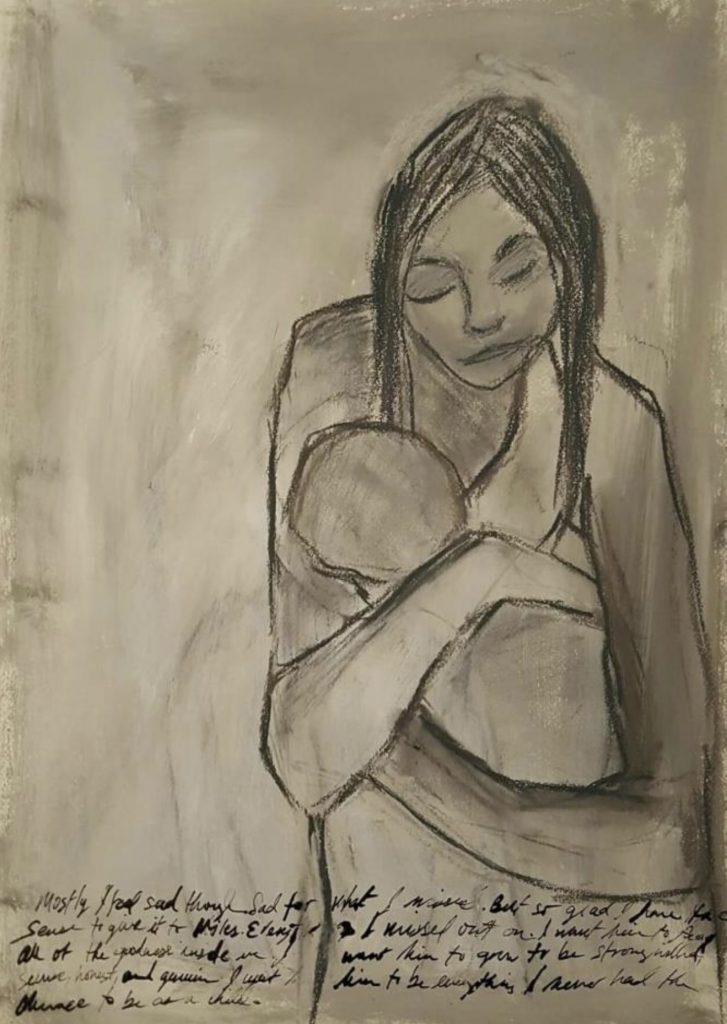
For the project, we continued discussing the theme and direction. At this stage, we tentatively decided to focus on postpartum depression as the primary group, and explored how a virtual healing space might respond to their emotional and psychological needs.