Blog

  • WEEK 12

    Final Crit

    In Week 12, we focused on structuring the experience by completing the event list and developing an initial storyboard. Rather than introducing new content, this week was dedicated to organising our existing spaces, narrative ideas, and roles into a clear and coherent experiential flow.

    After building and testing the wedding environment in previous weeks, we realised that a complete spatial setup alone does not automatically produce a narrative experience. The event list became a key tool for bridging space and storytelling. By mapping the experience step by step, we broke the wedding into a sequence of experiential events, focusing on what the participant perceives at each moment rather than on traditional plot progression.

    These events were defined by changes in position, attention, role, and spatial function—for example, moments of arrival, waiting, observation, transition, and ceremony. This approach helped us understand the experience as a progression of embodied states rather than a continuous narrative scene, making the structure more suitable for an XR context.

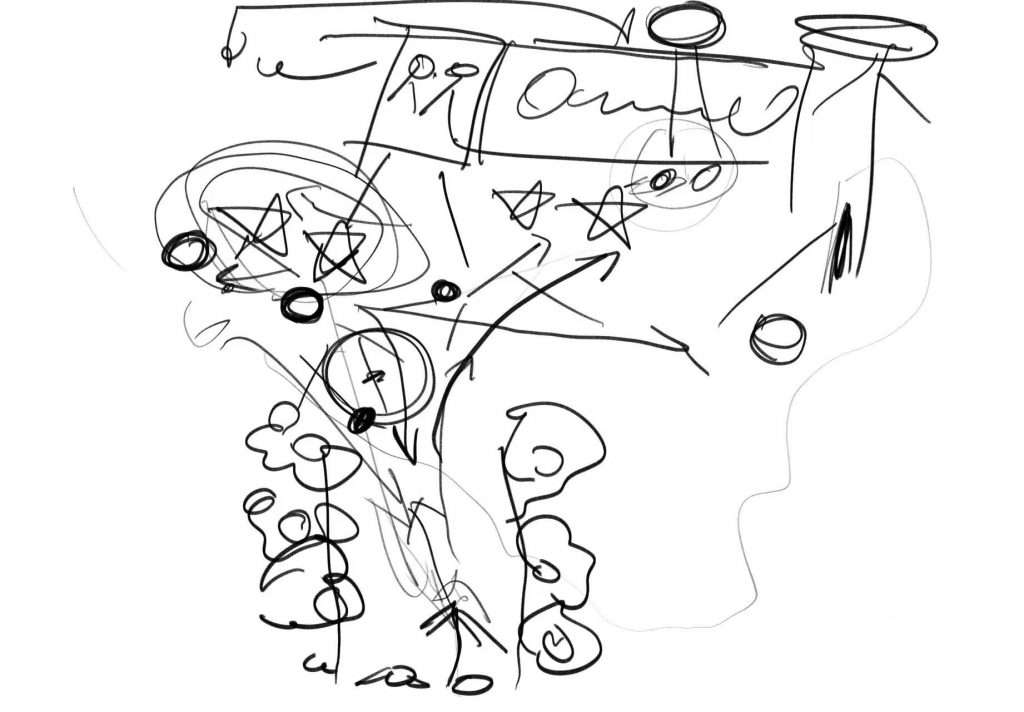
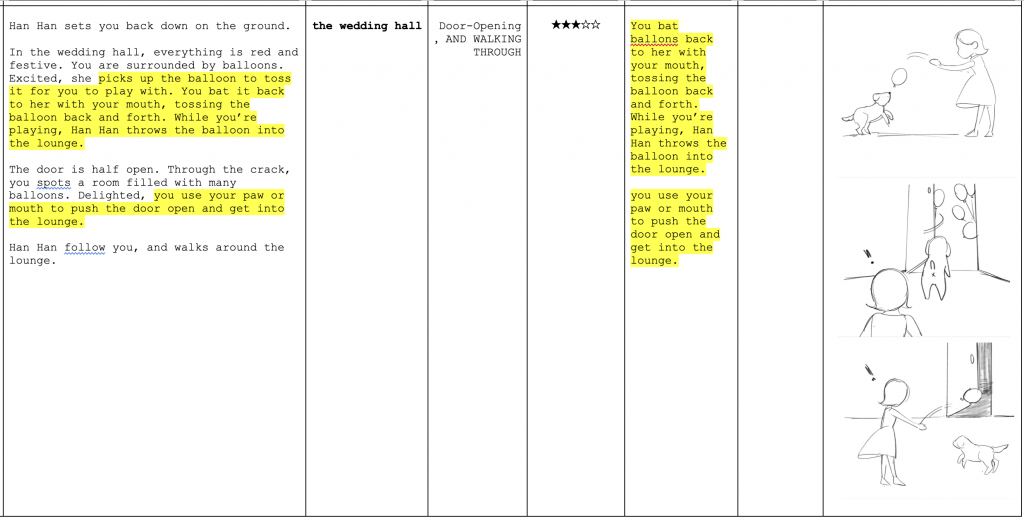
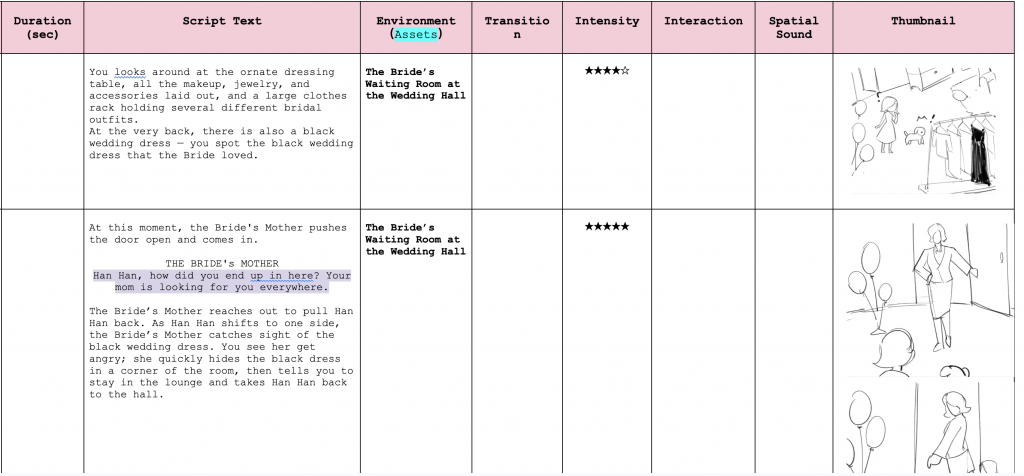
    Following the completion of the event list, we translated these events into a storyboard. Storyboarding allowed us to visualise each event from the participant’s perspective, clarifying camera position, viewing direction, and spatial relationships. This step was essential in testing whether the event list worked not only conceptually, but also visually and experientially.

    Through storyboarding, several issues became more apparent. Some events that seemed important in the event list lacked visual distinction when drawn, while others played a more significant role in pacing and transition than initially expected. This process highlighted the importance of rhythm and continuity across the experience, especially in relation to movement between spaces.

    By combining the event list with storyboarding, we developed a workflow that prioritised experiential clarity over narrative complexity. This method helped us evaluate which moments were essential to the participant’s journey and which could be simplified, merged, or removed.
  • WEEK 12

    Final Crit

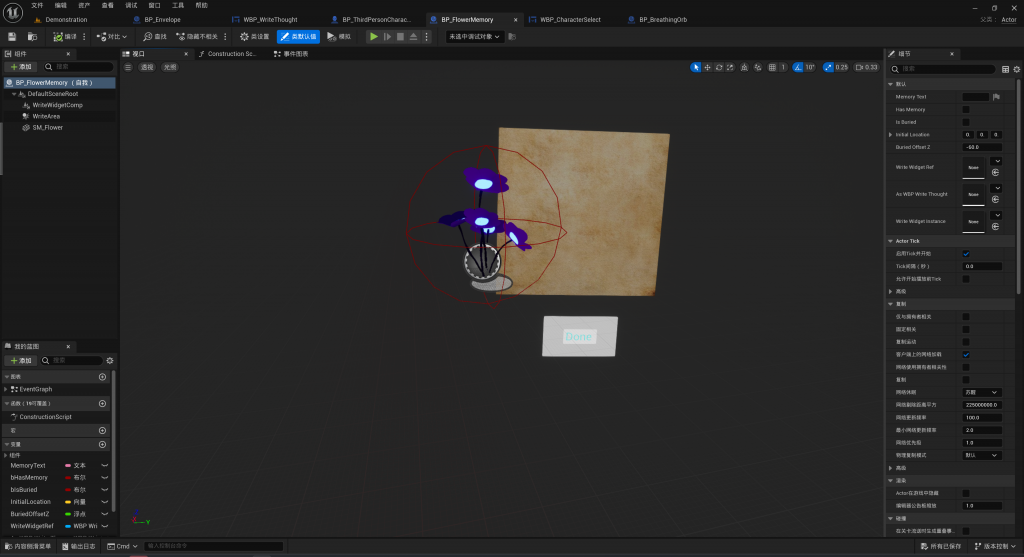
    This week, we completed an interaction where touching a flower causes it to bloom and triggers the creation of a new element in the environment.

    This interaction focused on gentle cause-and-effect, reinforcing the idea of growth and response through simple, non-verbal actions rather than complex mechanics.

  • WEEK 11

    Tutorials and Trouble Shooting and Degree Show of the graduating students

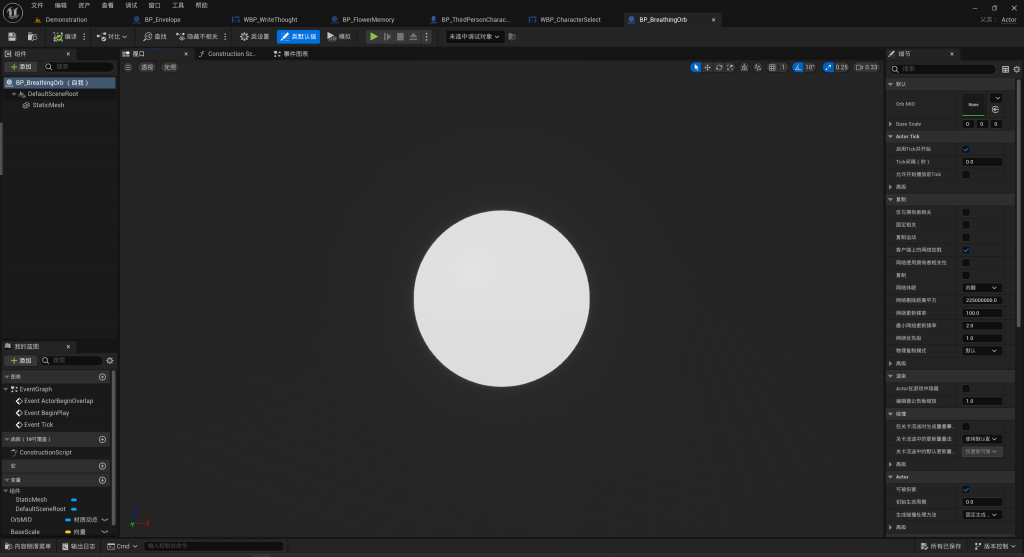
    This week, we completed the floating breathing light sphere. The sphere responds rhythmically, guiding the user’s breathing through subtle movement and light changes.

    This interaction was designed to encourage calmness and bodily awareness, using gentle visual feedback rather than explicit instructions.

  • WEEK 11

    Tutorials and Trouble Shooting

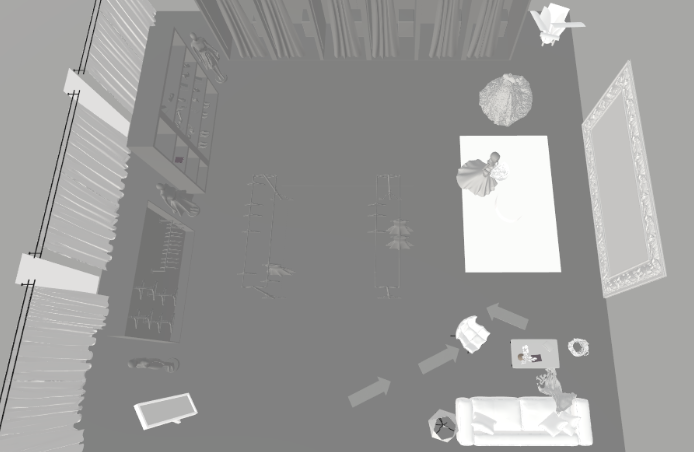
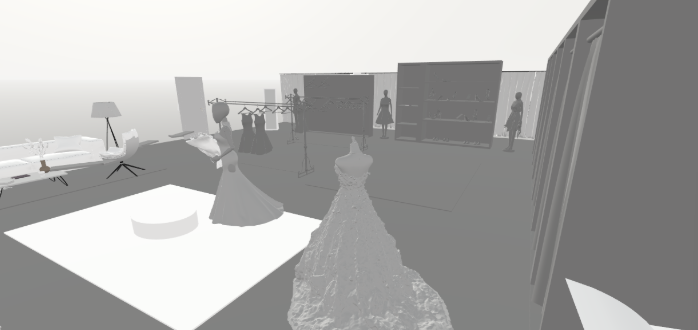
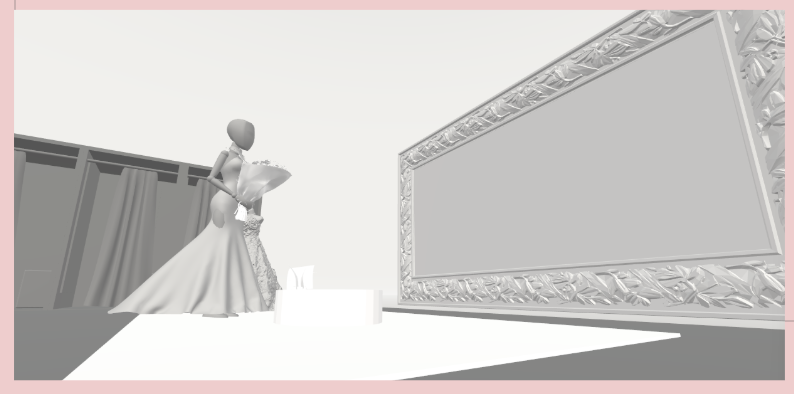
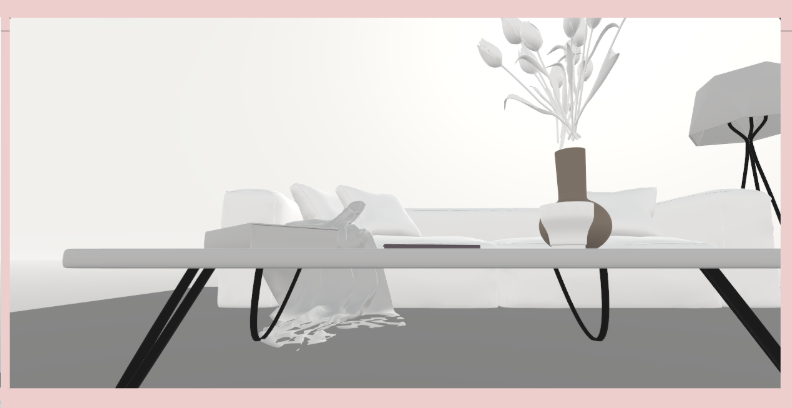
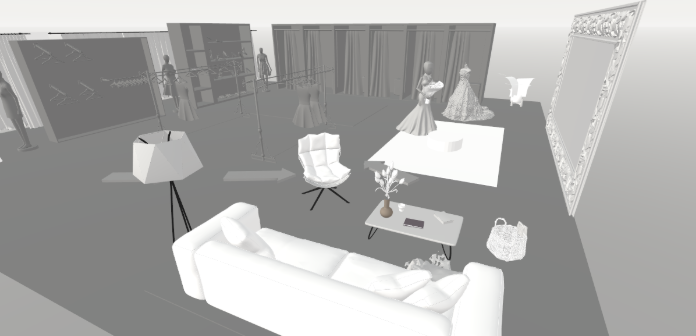
    In Week 11, we focused on constructing the wedding environment within ShapeXR, translating our spatial plans into a walkable and experiential XR space. Following the previous week’s decision on a low-poly visual style and initial layout planning, this week was dedicated to assembling the full set of wedding spaces and evaluating them through embodied experience.

    Working in ShapeXR allowed us to think about space in an immersive and iterative way, rather than through static models or two-dimensional layouts. We built the key areas of the wedding, including the reception space, transitional corridors, preparation areas, and the main ceremony hall, and adjusted their scale and connections within a single environment.

    By entering and moving through these spaces in ShapeXR, we were able to assess design decisions based on bodily perception rather than abstract logic. Several issues became apparent only through this process, such as how spatial proportions affect comfort or pressure, how corridor length influences pacing, and how sightlines guide attention within the ceremony space. These insights highlighted the importance of embodied testing in XR design.

    The process also helped us clarify the functional differences between spaces. The reception area remained open and fluid, supporting observation and gradual entry into the experience. Preparation and backstage spaces were more enclosed, reinforcing intimacy and relational tension. The ceremony hall, as the core public space, needed to balance clear structure with the capacity to hold symbolic actions and collective attention. These distinctions became more concrete as they were tested spatially.

  • WEEK 10

    Tutorials and Trouble Shooting

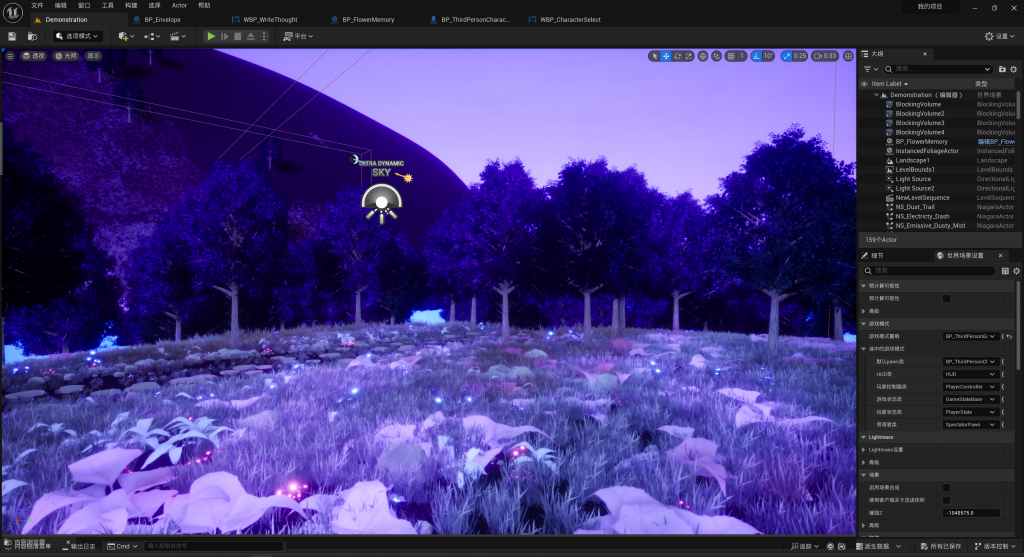
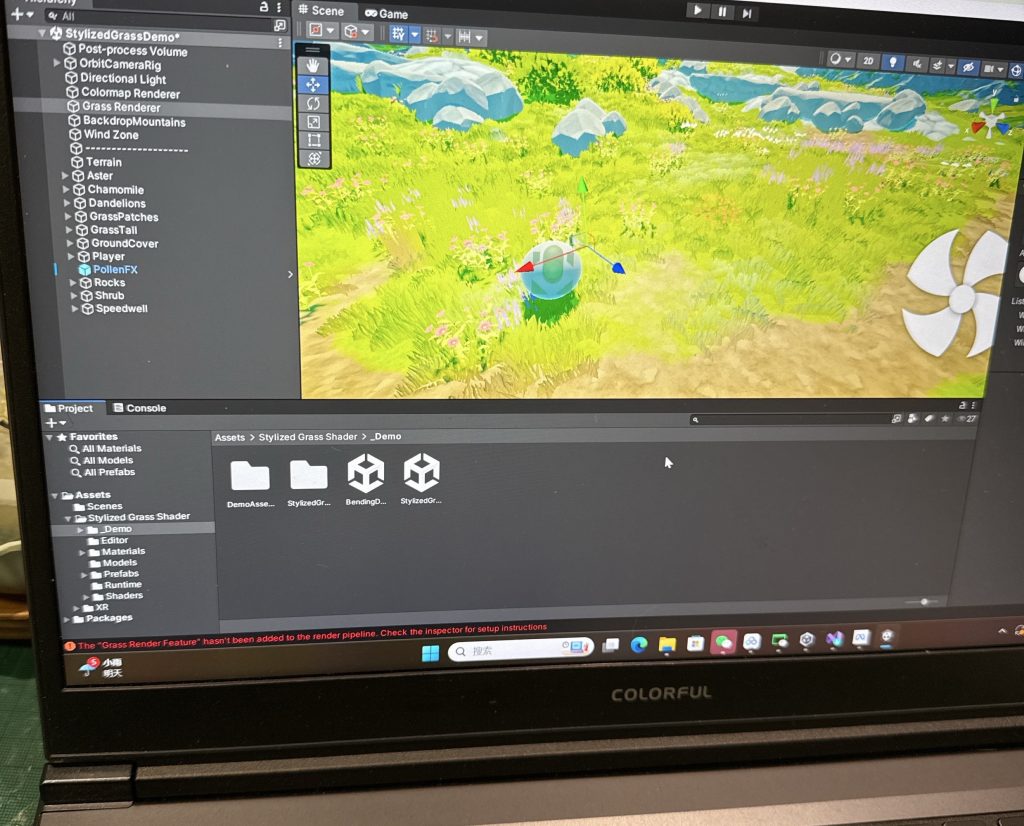
    This week, we reworked the garden scene and decided to set it in a night-time garden environment. The focus was on creating a calmer and more intimate atmosphere through darkness, subtle lighting, and a slower pace.

    Choosing a night garden helped reinforce the emotional tone of the project and supported the idea of a quiet, reflective space rather than an active or task-driven environment.

  • WEEK 10

    Tutorials and Trouble Shooting

    In Week 10, our project progressed from conceptual discussion into practical visual development. This week focused on identifying an appropriate modelling approach and beginning the initial construction of the environment, allowing our ideas around narrative, space, and embodiment to take visible form.


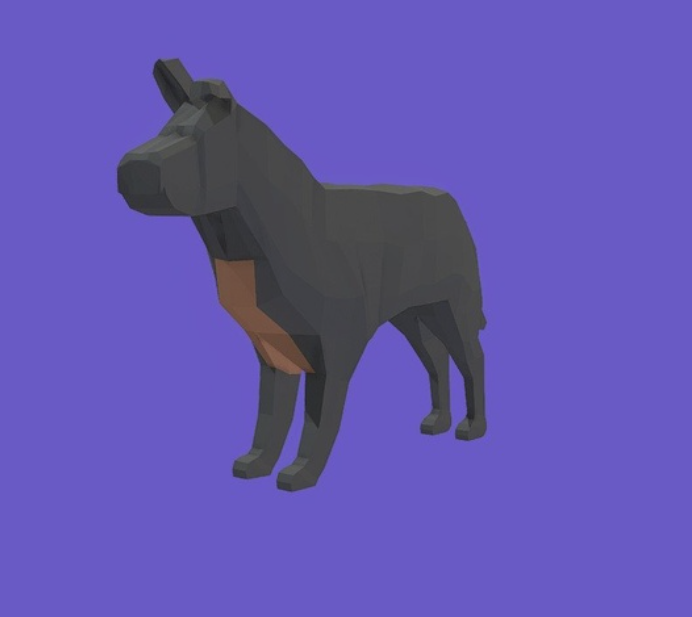
    After researching and comparing different modelling styles, we decided to adopt a low-poly visual approach. From a technical perspective, this style is well suited to XR environments, supporting stable real-time performance and clear spatial readability. Conceptually, the simplified geometry helps maintain a light and approachable tone for the wedding setting, aligning with our intention to avoid visual heaviness or emotional pressure.

    Once the visual direction was established, we began building the core scenes of the project. At this early stage, the focus was not on detail or decoration, but on spatial layout and scale. We translated our planned wedding flow into three-dimensional space, including entrance areas, transitional zones, and the main ceremony space, in order to test whether the spatial sequence could support the intended embodied experience.

    Working in a low-poly style also encouraged us to pay closer attention to form, colour, and proportion as tools for guiding attention. With visual detail reduced, the hierarchy of spaces, the clarity of movement paths, and the prominence of key areas became more dependent on structural design. This process reinforced our understanding of how spatial design directly shapes embodied experience.

  • WEEK 9

    Creative Process and Creative Activity

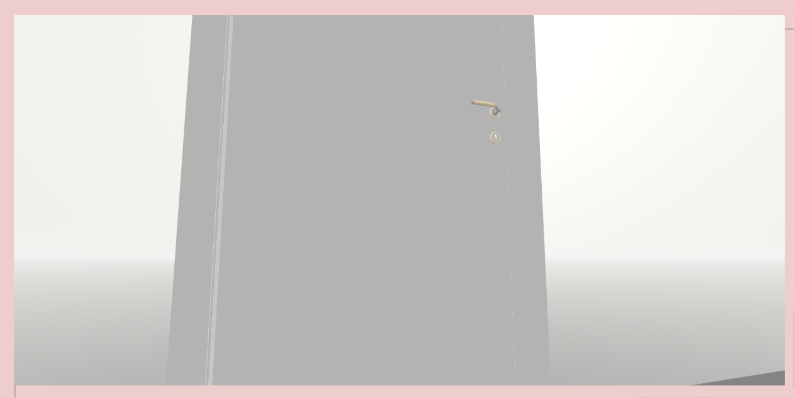
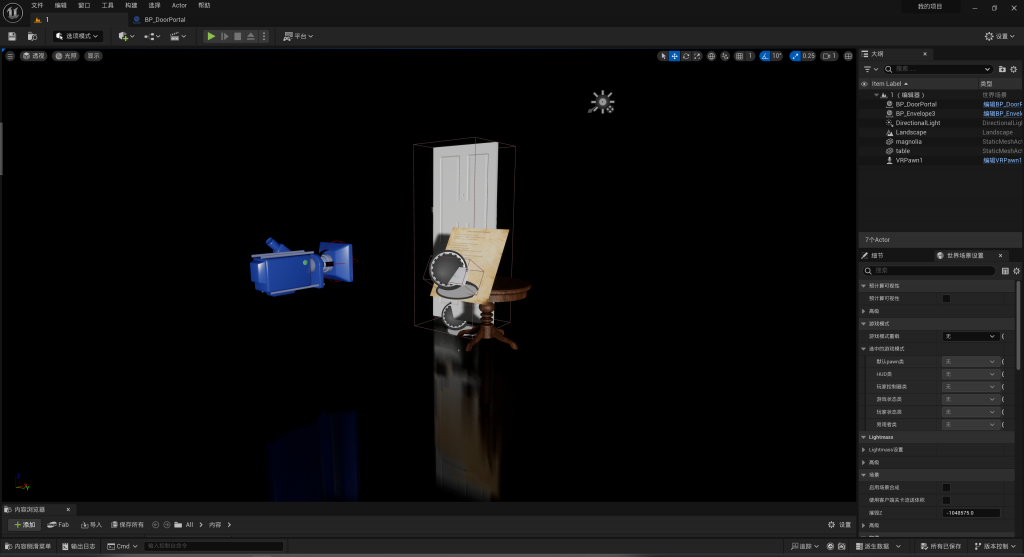
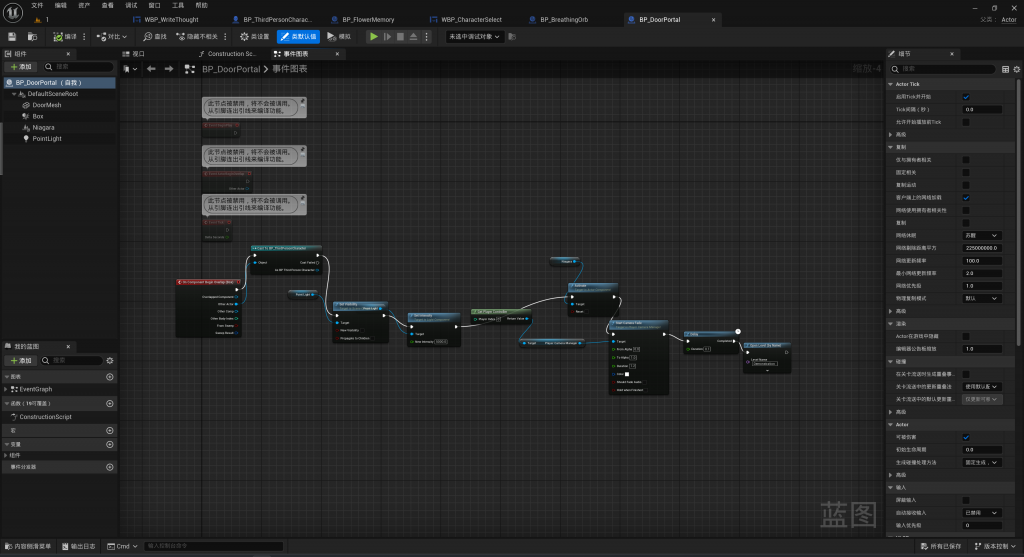
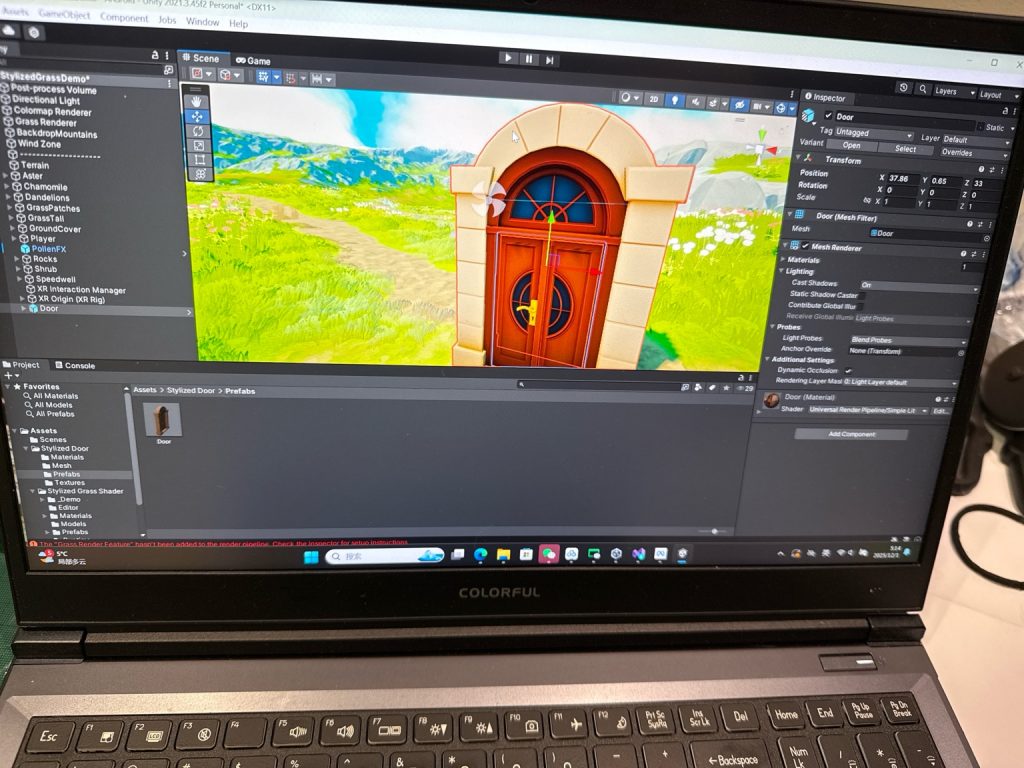
    In the ninth week, we worked in Unreal Engine and created the first scene of the project. The scene takes place in a dark space where the user reads a letter and then opens a door to move forward.

    This scene was designed to set an emotional tone at the beginning of the experience, using darkness and a simple action to encourage focus and reflection.

  • WEEK 9

    Embodiment

    Through lectures and case studies, we began to understand embodiment as more than simply having a virtual body or a first-person viewpoint. Embodiment is constructed through design decisions such as where the participant is placed, how freely they can move, what actions they are allowed to perform, and what actions are deliberately restricted. These bodily conditions directly influence how relationships, power dynamics, and emotions are perceived.

    This framework was particularly relevant to our project, which is organised around a wedding and its spatial layout. Different wedding spaces naturally produce different embodied states: guests move freely at the entrance, feel confined in dressing rooms or backstage areas, and are physically positioned and regulated during the ceremony. These bodily experiences communicate social roles and expectations without the need for explicit narrative explanation.

    Embodiment also encouraged us to rethink character perspective. Rather than explicitly assigning a role, physical positioning and agency can imply identity. Being placed at the edge of a space, limited to observation, can convey exclusion or lack of agency, while being positioned at the centre and addressed directly can create a sense of responsibility and expectation.

    Within the context of our project, this approach offered a new way to express the mother–daughter relationship and the themes of care and letting go. Instead of relying on symbolic dialogue or narrative explanation, we began to consider how the participant’s body could be guided, constrained, or entrusted within the space. These embodied experiences allow emotional dynamics to be felt rather than explained.

    Screenshot

  • WEEK 8

    Tutorials and Problem Solving

    In the eighth week, I imported and built the support room model in Unity. This step marked the transition from a static 3D model to an interactive virtual environment.

    Working in Unity allowed me to consider scale, camera perspective, and how the space would be experienced in VR, rather than only how it looked as a model.

  • WEEK 8

    Independent work

    As the project developed, we began to realise that discussing narrative themes and symbolism alone was not sufficient to support an XR experience. This week, we shifted our focus toward spatial design, considering how the wedding functions as a sequence of spaces rather than a single narrative event.

    We started to understand the wedding as a clear spatial flow. Different areas within a wedding venue naturally carry different social rules, behaviours, and emotional intensities. This existing structure provided a practical framework for organising the XR experience, allowing space itself to guide the participant’s journey.

    The experience begins in the reception or entrance area. This is an open and public space where guests arrive, greet one another, and settle into the event. At this stage, the participant can enter the experience as an observer, gradually becoming familiar with the environment and the social expectations of the wedding without immediately engaging with emotional tension.

    From there, the experience moves toward more private preparation spaces, such as dressing rooms or backstage areas. Compared to the reception, these spaces are more enclosed and intimate, and relationships become more direct. We identified this area as where the mother’s involvement begins to feel more intrusive, and where emotional pressure starts to accumulate, even before the ceremony officially begins.

    Transitional spaces, such as corridors connecting different areas, were treated as important experiential elements rather than narrative scenes. These moments of movement and waiting allow for changes in atmosphere, pacing, and perspective. In XR, such spaces function as breathing points within the experience, supporting smooth transitions between different emotional states.

    The ceremony hall represents the core public space of the experience. It is highly ritualised and governed by strict social conventions. Within this context, moments of absurdity and subtle humour can emerge naturally, as actions are accepted simply because they occur within the authority of the ceremony. This space provides a stage for the most concentrated emotional and symbolic moments of the story.

    Finally, backstage or post-ceremony spaces offer a shift away from public performance. These quieter, more private areas are suitable for emotional release or moments of personal realisation. Rather than resolving emotions within the ceremony itself, moving into these spaces allows the experience to conclude in a more restrained and reflective manner.

    By structuring the project around a spatial flow—from entrance, to preparation, to ceremony, and finally to backstage—we began to treat the wedding as an experiential structure rather than a narrative backdrop. This approach helped us organise emotional intensity through space, maintain a light surface tone, and clarify the participant’s journey through the XR environment, laying the groundwork for further refinement of the experience.