Category: Creative VR Project Portfolio

  • WEEK 12

    Final Crit

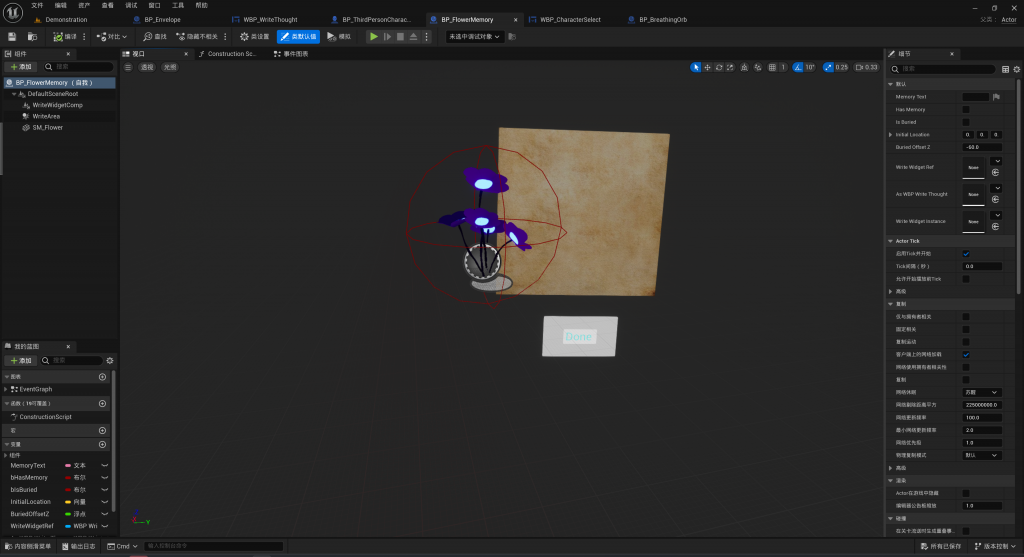
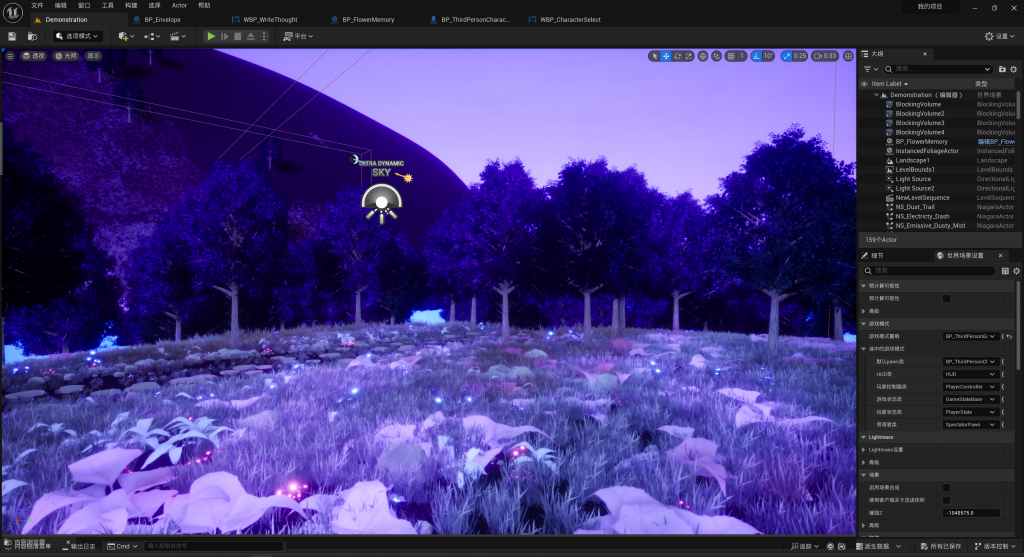
    This week, we completed an interaction where touching a flower causes it to bloom and triggers the creation of a new element in the environment.

    This interaction focused on gentle cause-and-effect, reinforcing the idea of growth and response through simple, non-verbal actions rather than complex mechanics.
  • WEEK 11

    Tutorials and Trouble Shooting and Degree Show of the graduating students

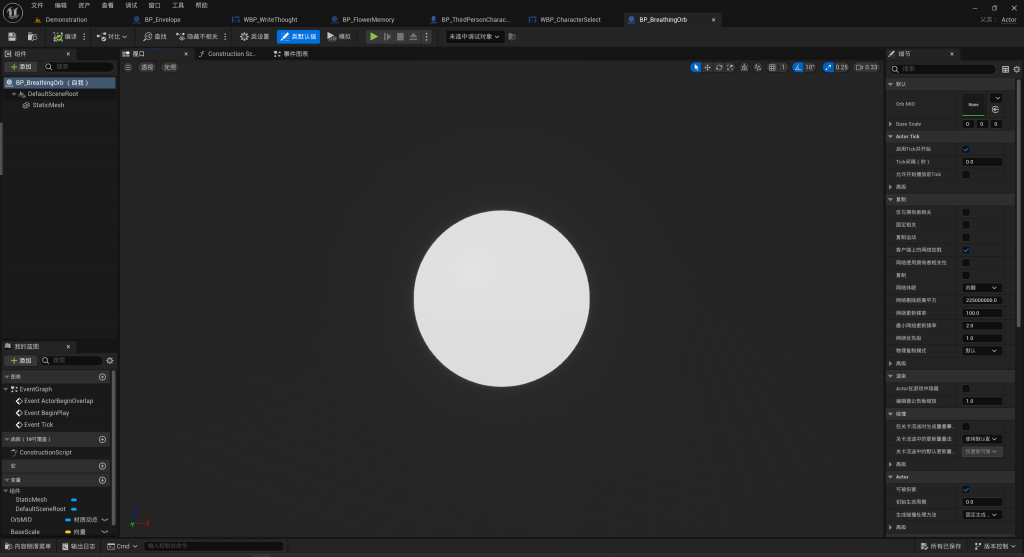
    This week, we completed the floating breathing light sphere. The sphere responds rhythmically, guiding the user’s breathing through subtle movement and light changes.

    This interaction was designed to encourage calmness and bodily awareness, using gentle visual feedback rather than explicit instructions.

  • WEEK 10

    Tutorials and Trouble Shooting

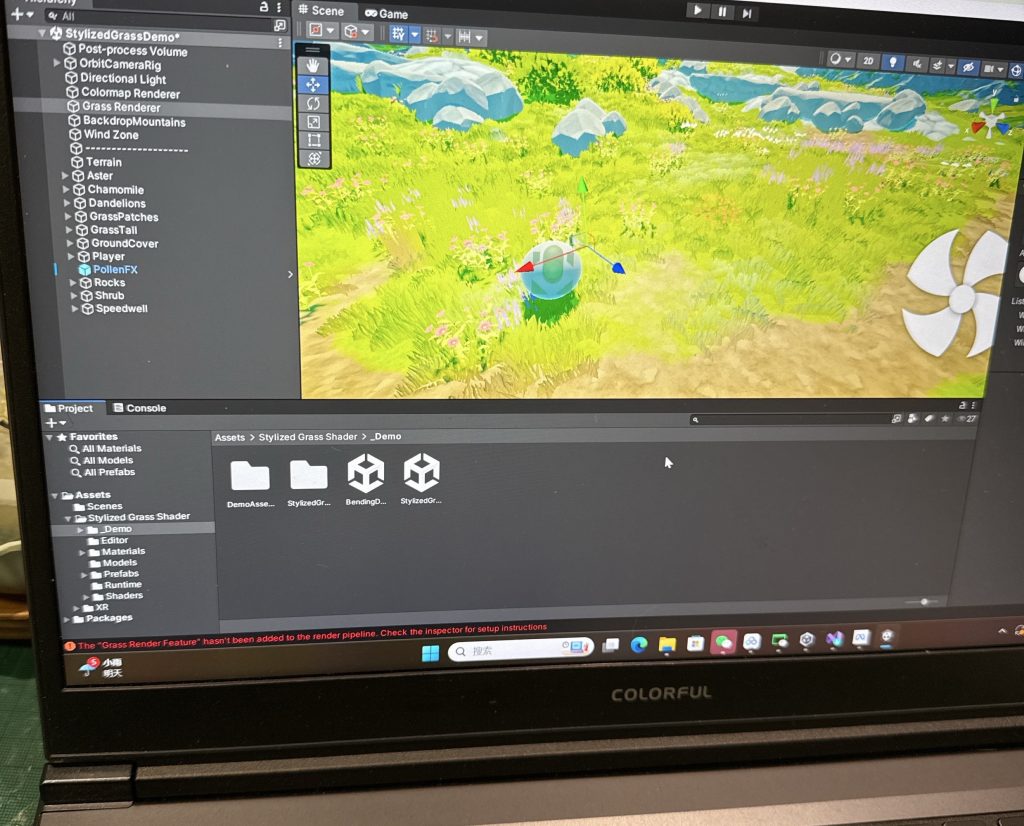
    This week, we reworked the garden scene and decided to set it in a night-time garden environment. The focus was on creating a calmer and more intimate atmosphere through darkness, subtle lighting, and a slower pace.

    Choosing a night garden helped reinforce the emotional tone of the project and supported the idea of a quiet, reflective space rather than an active or task-driven environment.

  • WEEK 9

    Creative Process and Creative Activity

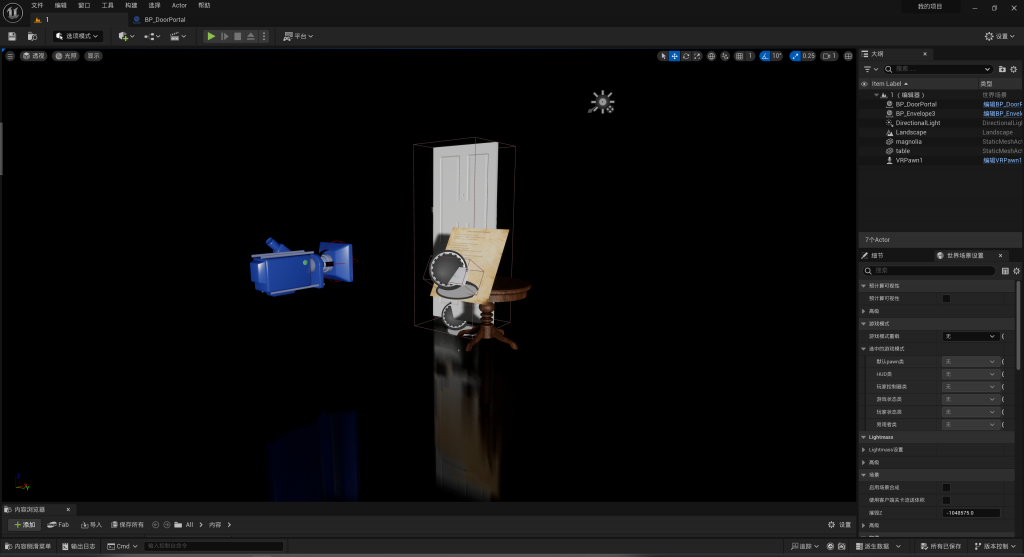
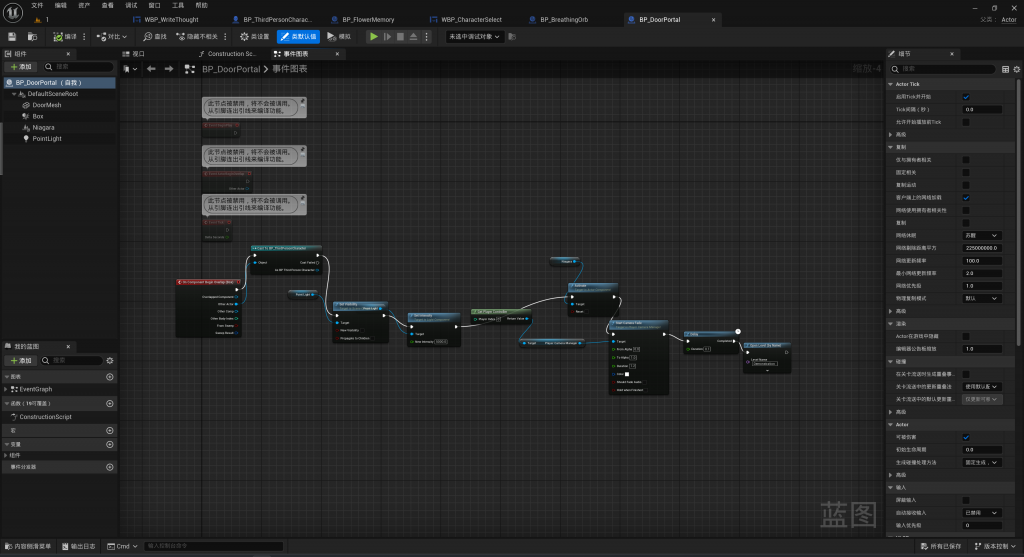
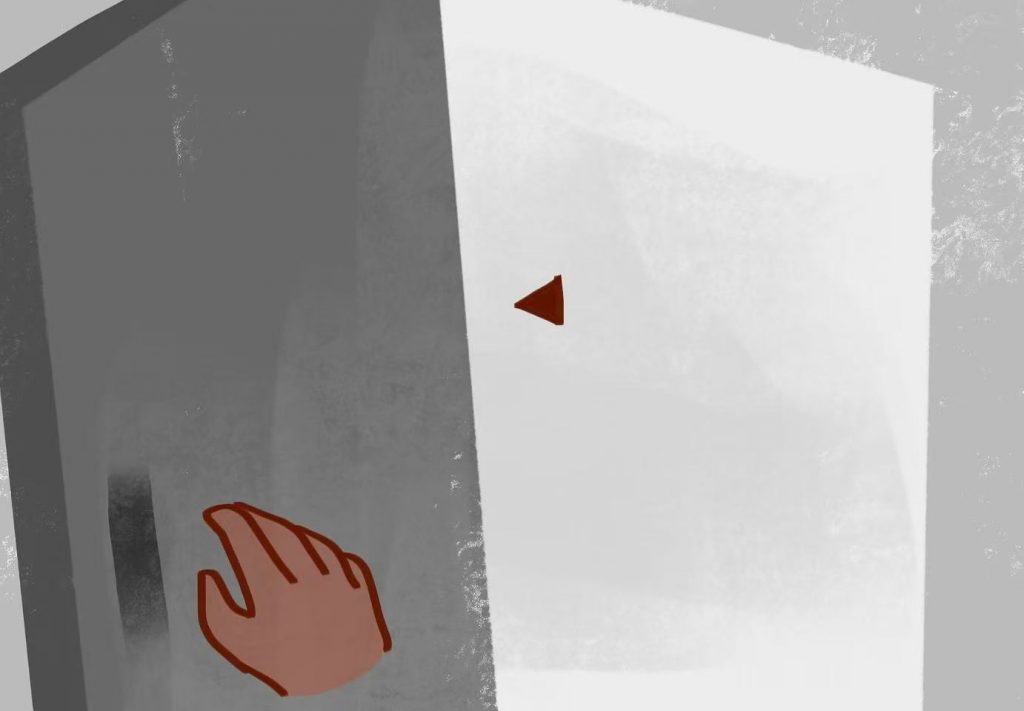
    In the ninth week, we worked in Unreal Engine and created the first scene of the project. The scene takes place in a dark space where the user reads a letter and then opens a door to move forward.

    This scene was designed to set an emotional tone at the beginning of the experience, using darkness and a simple action to encourage focus and reflection.

  • WEEK 8

    Tutorials and Problem Solving

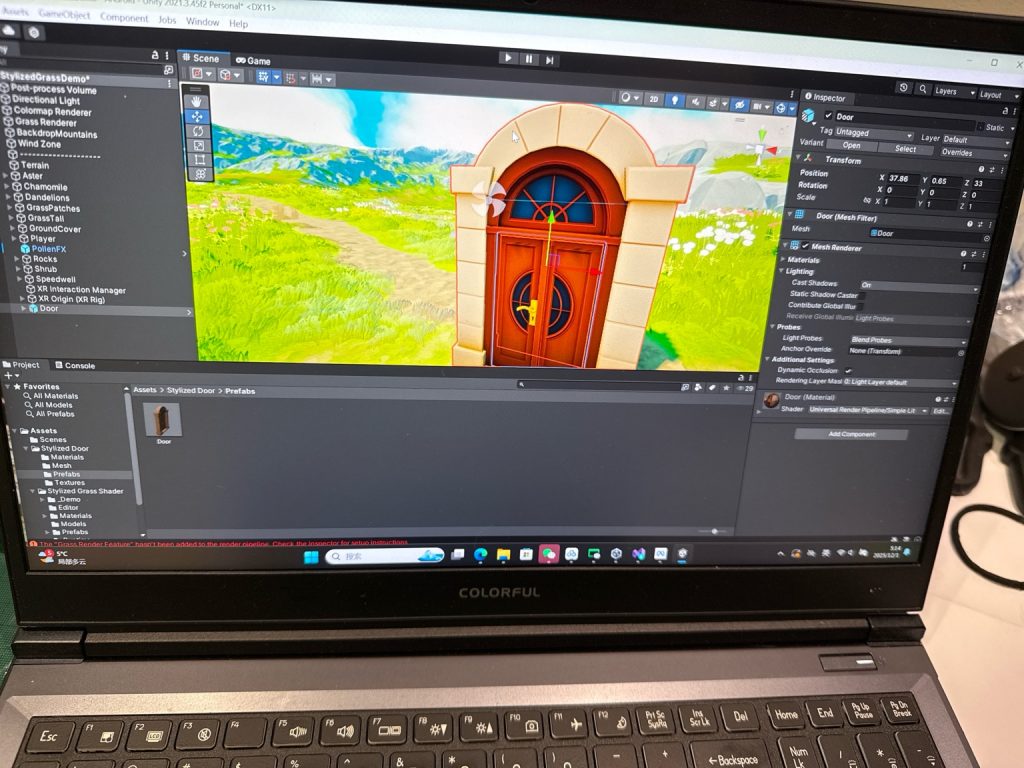
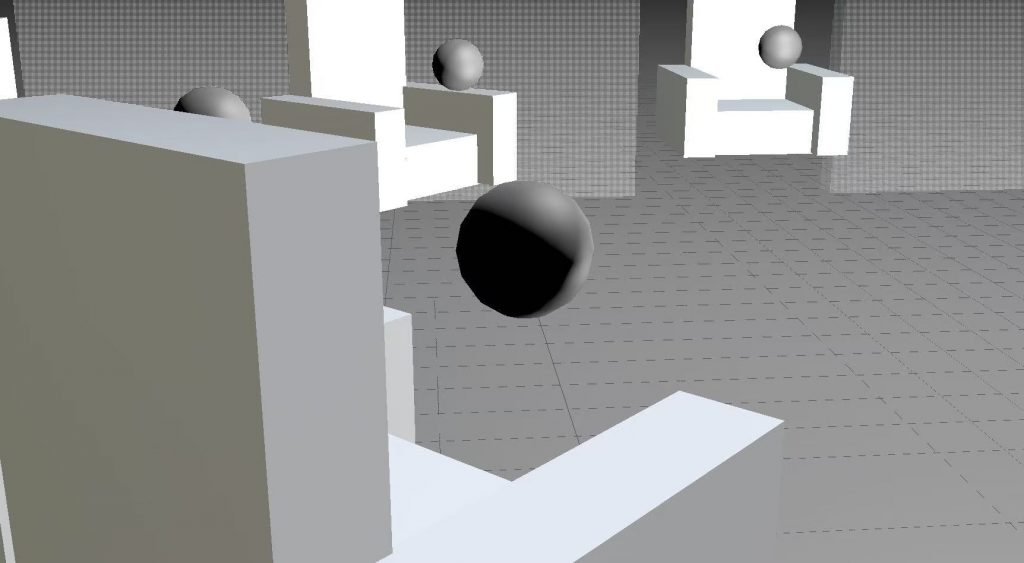
    In the eighth week, I imported and built the support room model in Unity. This step marked the transition from a static 3D model to an interactive virtual environment.

    Working in Unity allowed me to consider scale, camera perspective, and how the space would be experienced in VR, rather than only how it looked as a model.

  • WEEK 7

    Interactions // Trip to Aesthetica Short Film Festival

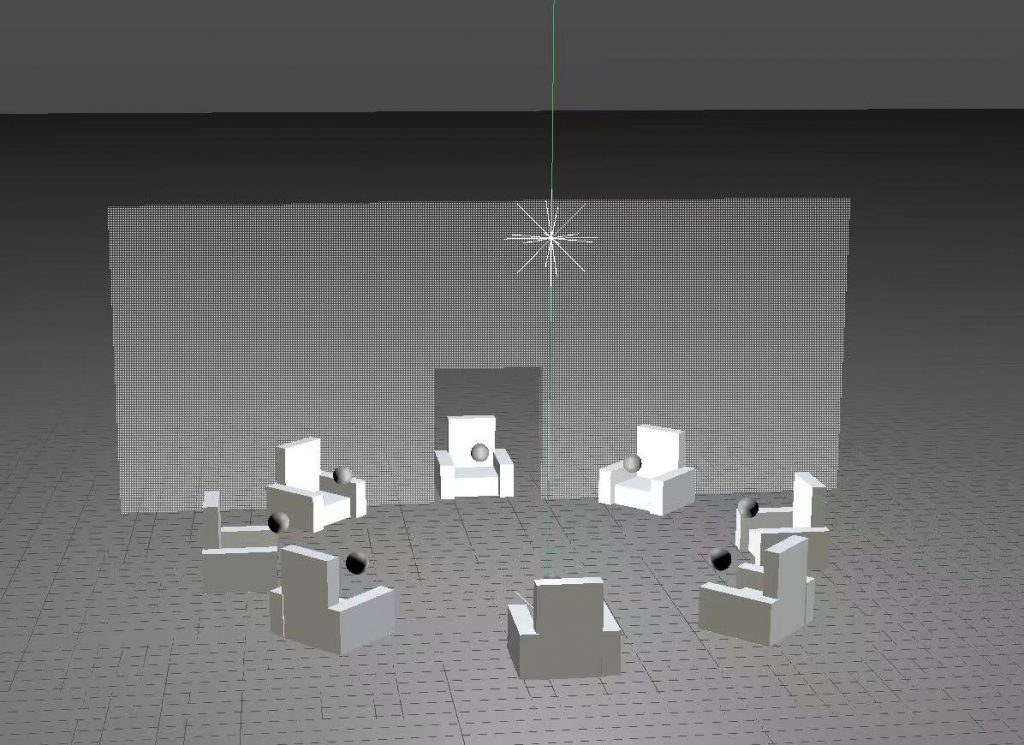
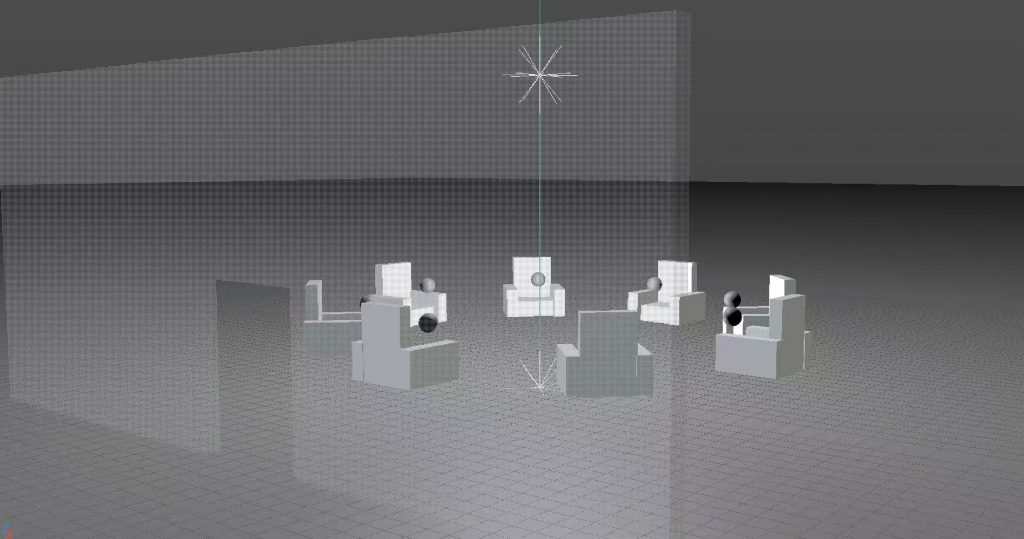
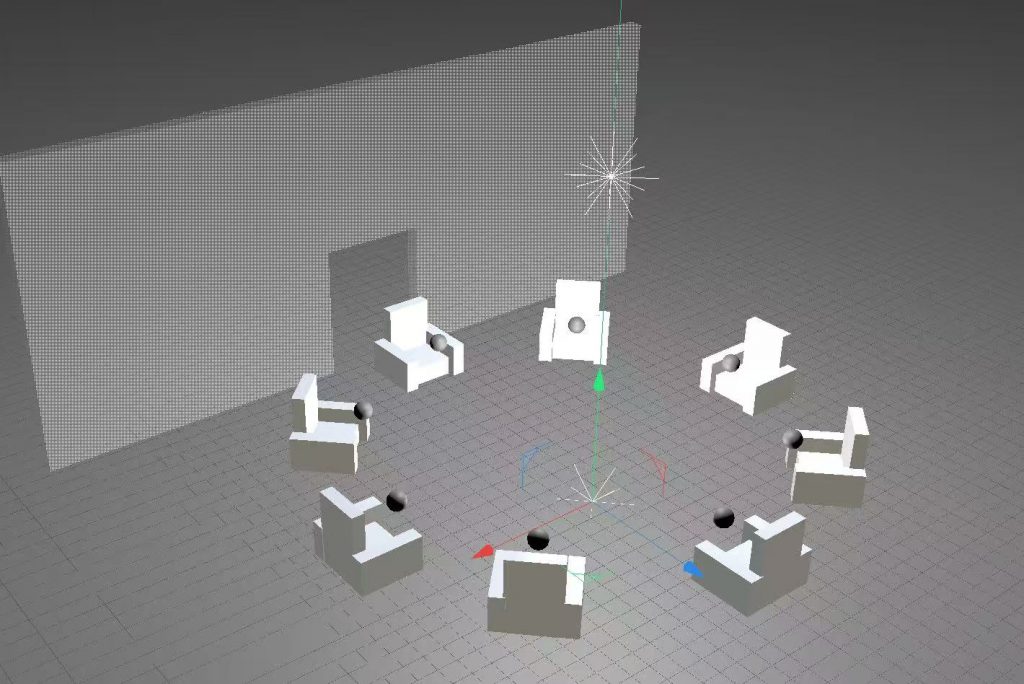
    In the seventh week, we built the 3D model of the support room. This stage focused on translating our previous visual sketches into a spatial environment.

    The modelling process helped us test proportions, seating arrangements, and spatial relationships, and consider how the room would function as an immersive space rather than just a visual concept.

  • WEEK 6

    AI Tools and Basic Coding

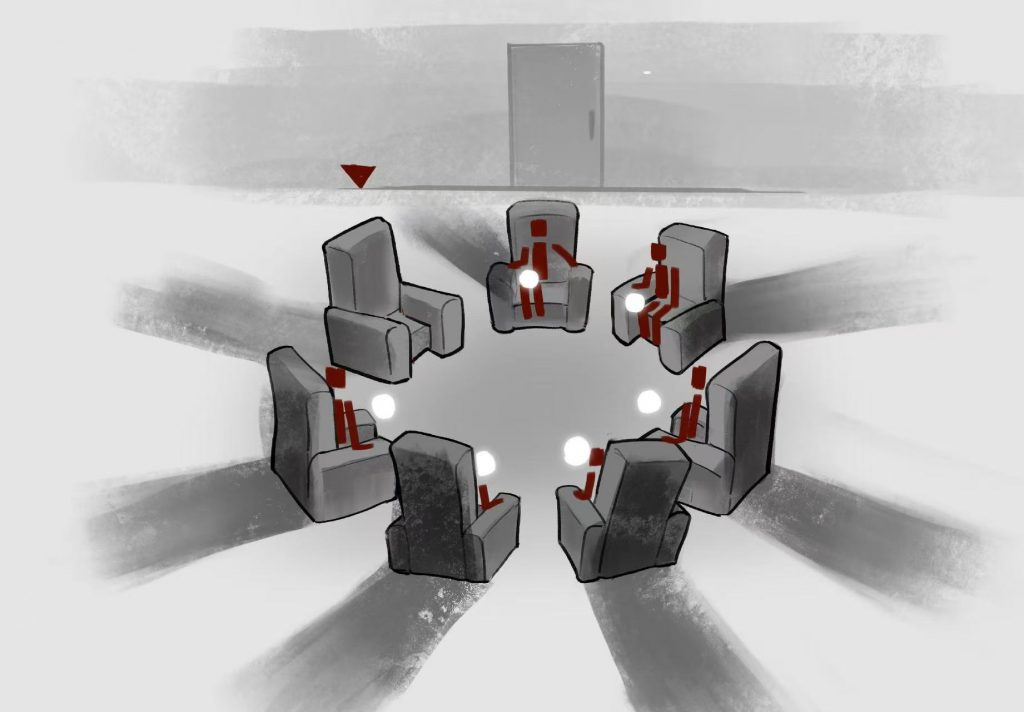
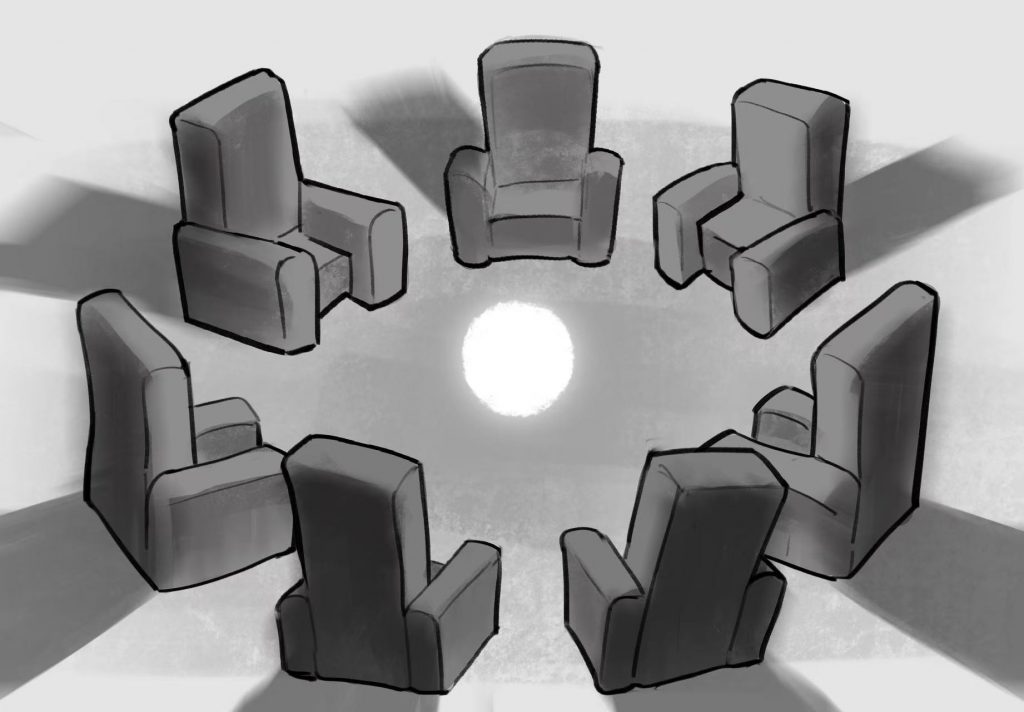
    This week, we produced several iterations of the support room environment through visual sketches. We explored different spatial layouts and atmospheres, focusing on how the room could communicate safety, privacy, and emotional support.

    Making multiple versions helped us compare options more clearly and reflect on how small changes in lighting, seating arrangement, and scale might affect the overall feeling of the experience.

  • WEEK 5

    Tutorials

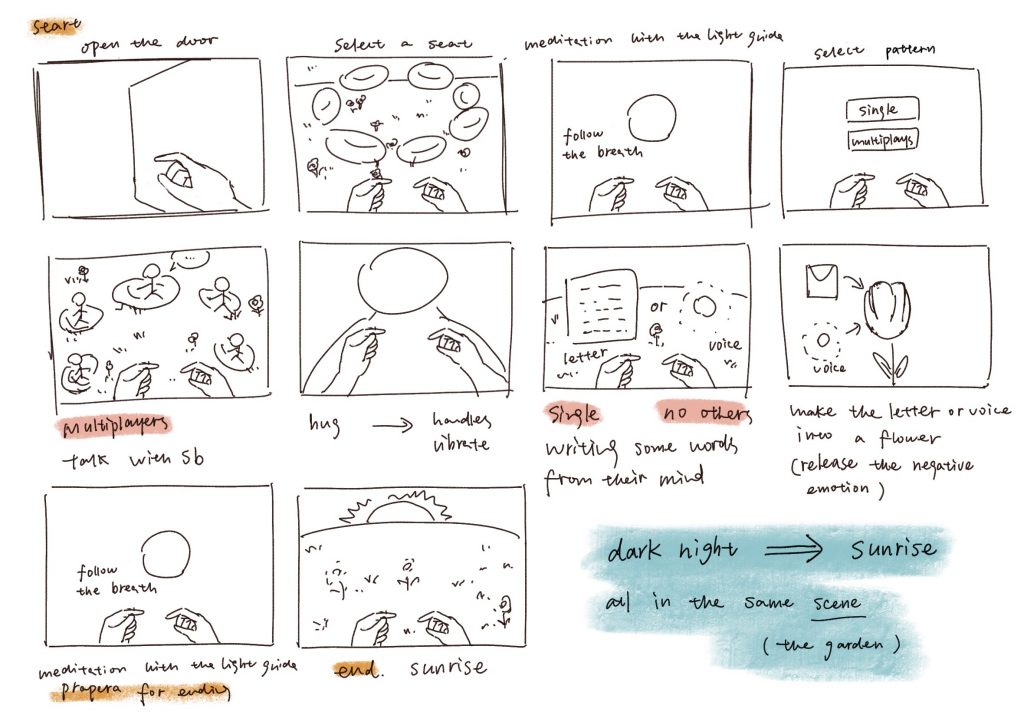
    In the fifth week, we received feedback from the tutor on our project structure. Based on this guidance, we simplified the original game flow and reduced it from five levels to two core stages.

    This process helped us realise that a more focused structure could better support the emotional experience, and that simplification can be an important part of designing meaningful interactions.

  • WEEK 4

    Unity VR Meta All In One

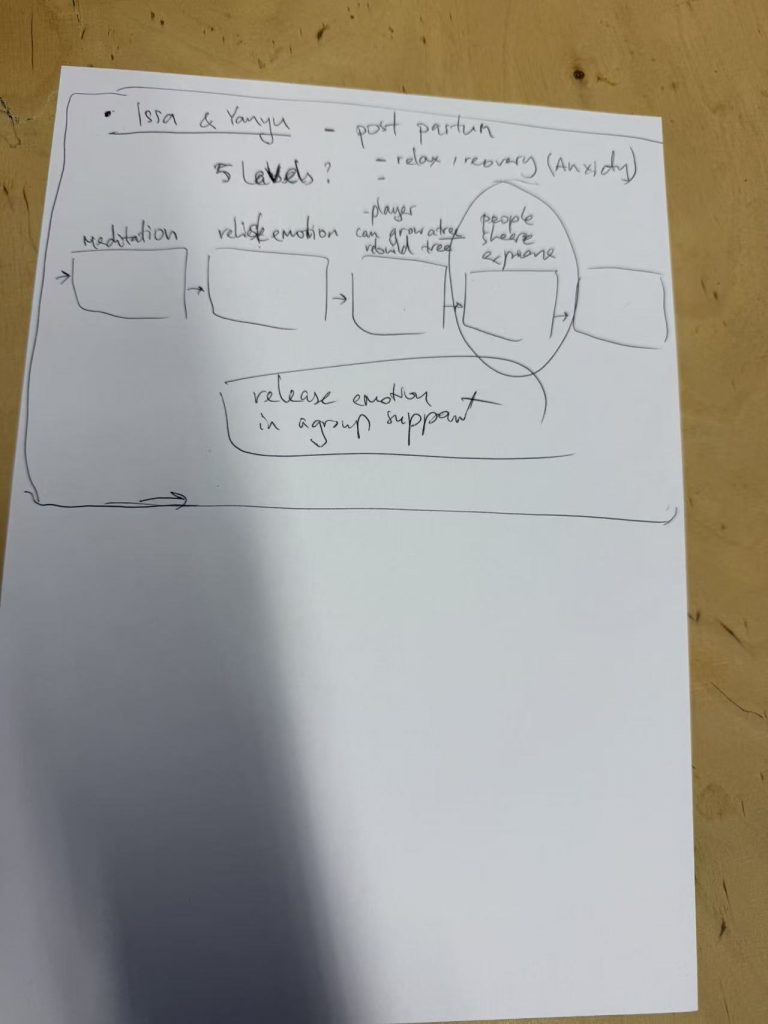
    This week, we further defined the game flow of the project. Initially, we designed five levels, each representing a different stage of the experience, guiding users from entering the space through emotional regulation, externalisation, and closure.

    By mapping out the flow through sketches, we began translating the idea of a “healing space” into a structured interactive experience, and reflected on how pacing and progression affect emotional engagement.

  • WEEK 3

    Level Design, Unity VR Meta All in One SDK and Intro to Mocap

    In the third week, we learned about level design, the Unity VR Meta All-in-One SDK, and had an introduction to motion capture (Mocap). This helped me understand how scale, spatial layout, and bodily movement can influence emotional experience in VR.

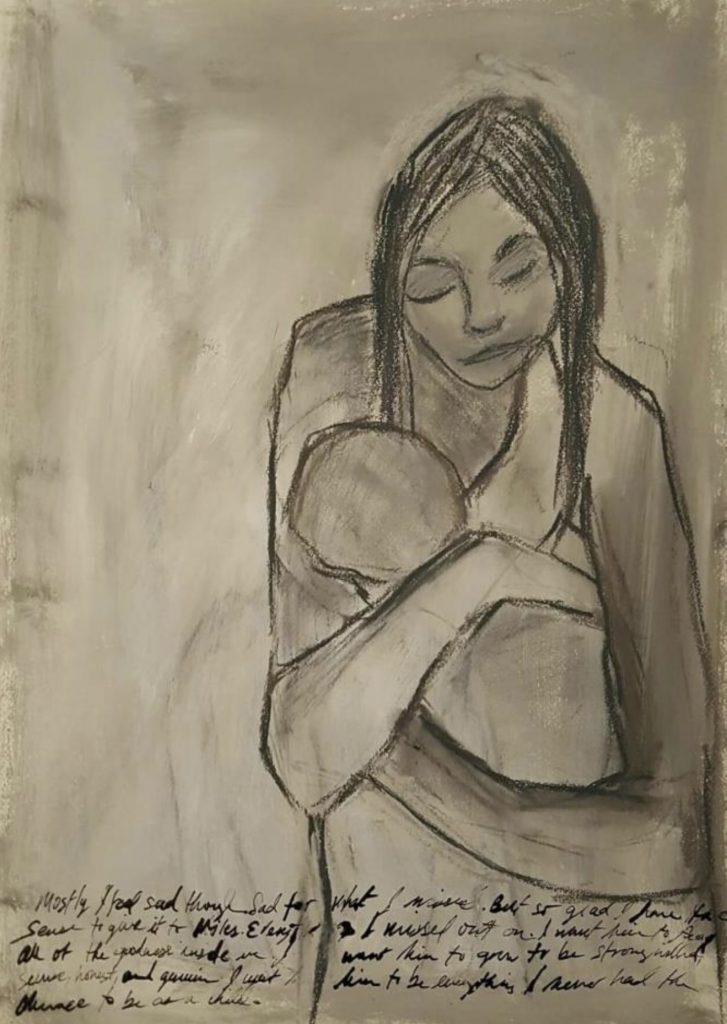
    For the project, we continued discussing the theme and direction. At this stage, we tentatively decided to focus on postpartum depression as the primary group, and explored how a virtual healing space might respond to their emotional and psychological needs.

    Screenshot