Concept development
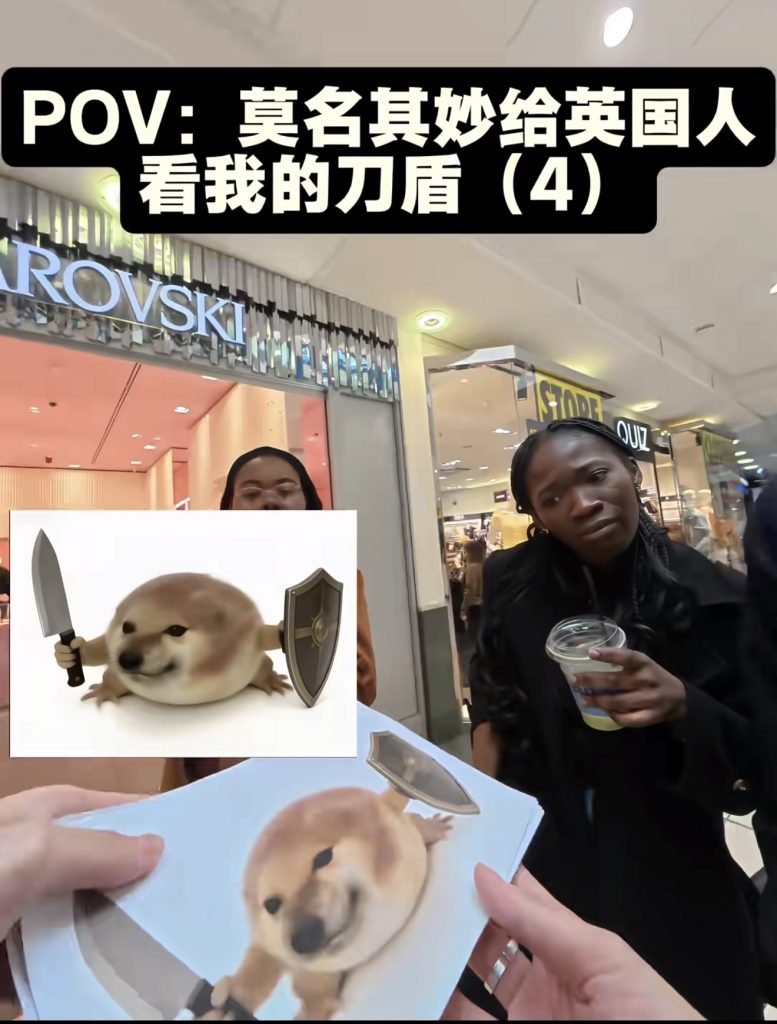
This week, following feedback from our tutor, we reconsidered the narrative approach of our flyer project. Although the flyer perspective was interesting, the tutor suggested that audiences might find it difficult to form a strong connection with the object itself. As a result, we decided to revise the concept and explore a more direct and engaging approach.
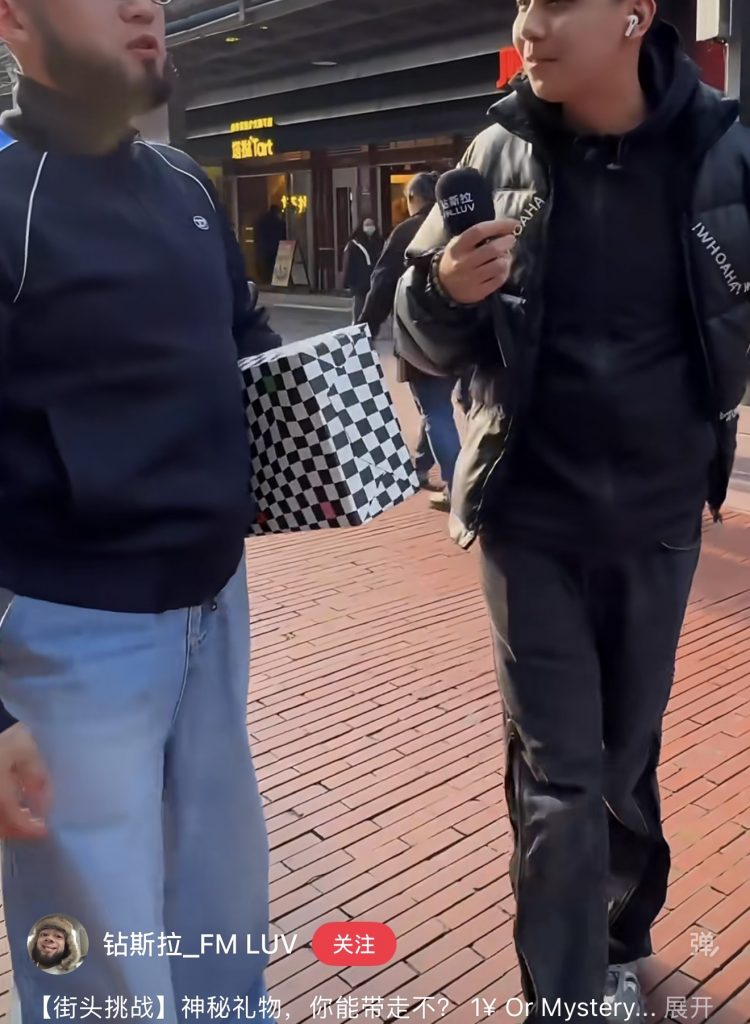
After discussion, we abandoned the flyer narrative and instead developed a project inspired by street interviews and social experiments. Our idea was to hide a 360° camera inside a cardboard box and place it in a public space. When passers-by opened the box out of curiosity, the camera would capture their genuine and spontaneous reactions.
Compared with the original flyer concept, this new approach focused more on human behaviour and curiosity when encountering something unknown. We were interested in observing how different people responded: some might open the box immediately, others might be cautious, while some could invite friends to explore it together.
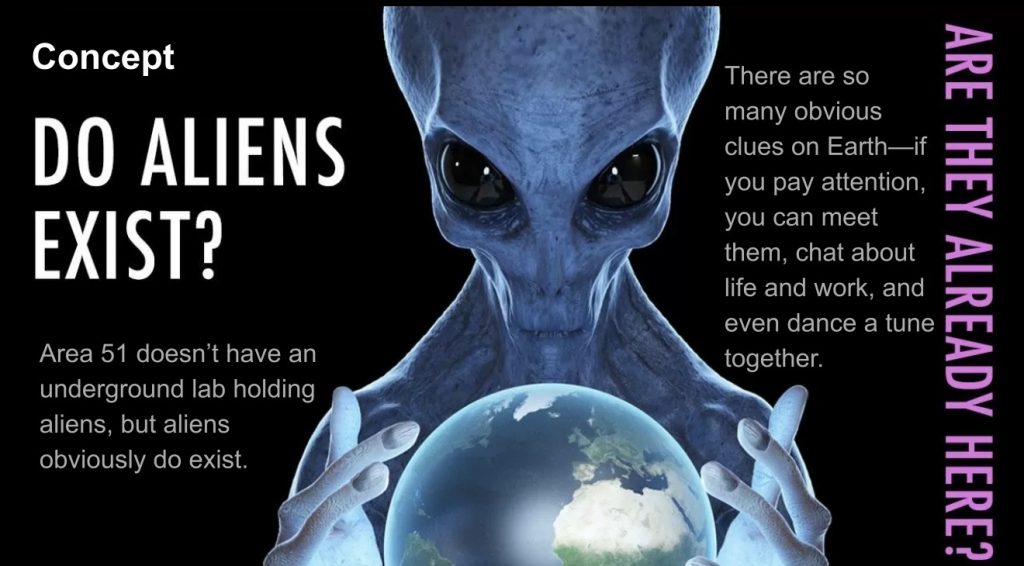
Do Aliens Exist?
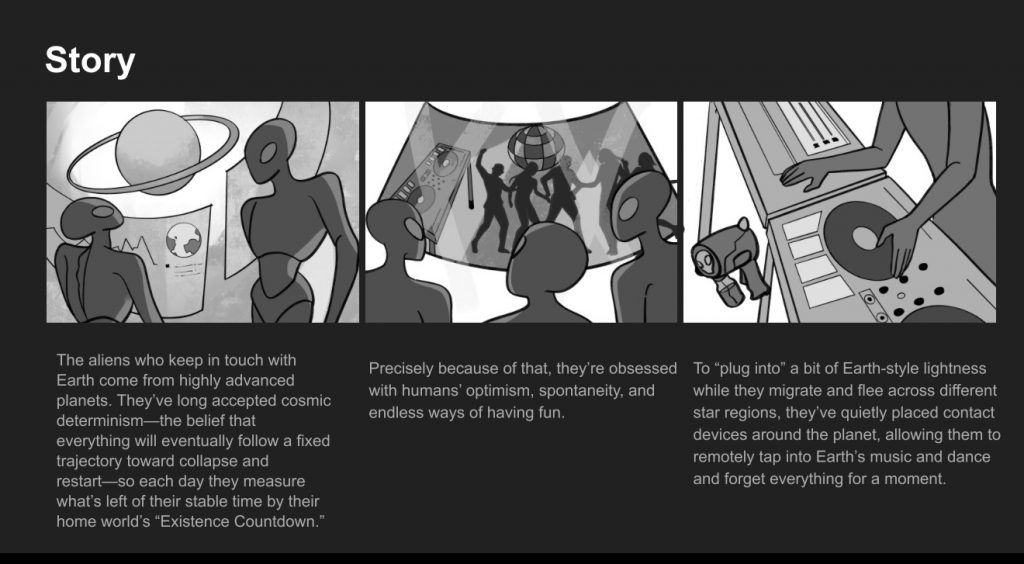
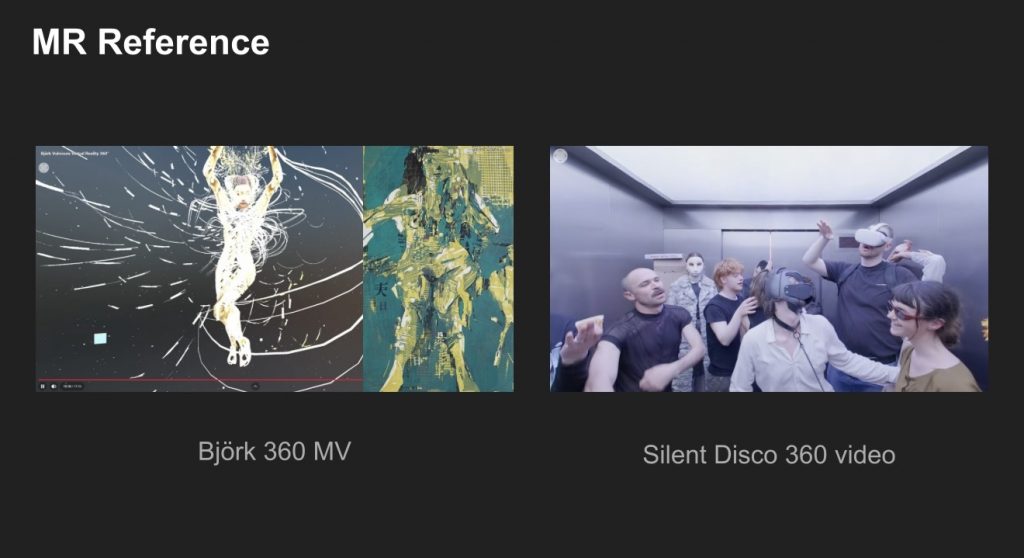
This week, we further developed our art festival project and began shaping the concept that would eventually become Do Aliens Exist?. Building on our earlier interest in music, DJs, and immersive experiences, we started exploring a new question: what if aliens were already around us, but invisible to ordinary perception?
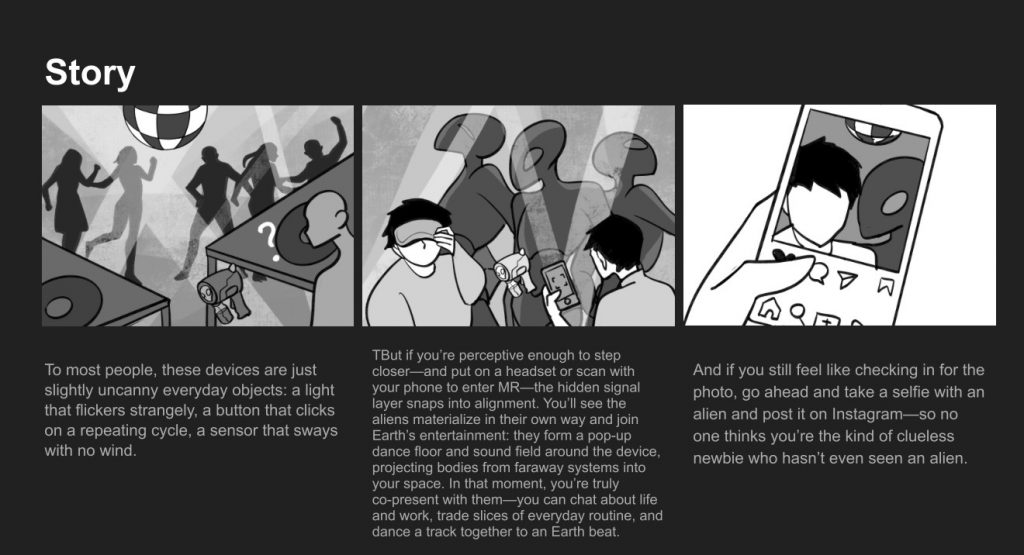
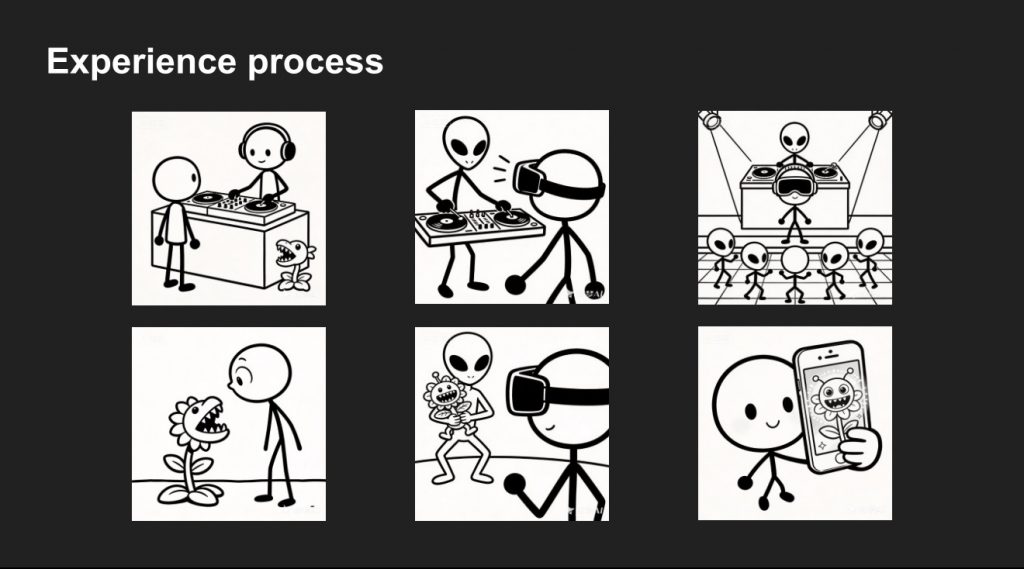
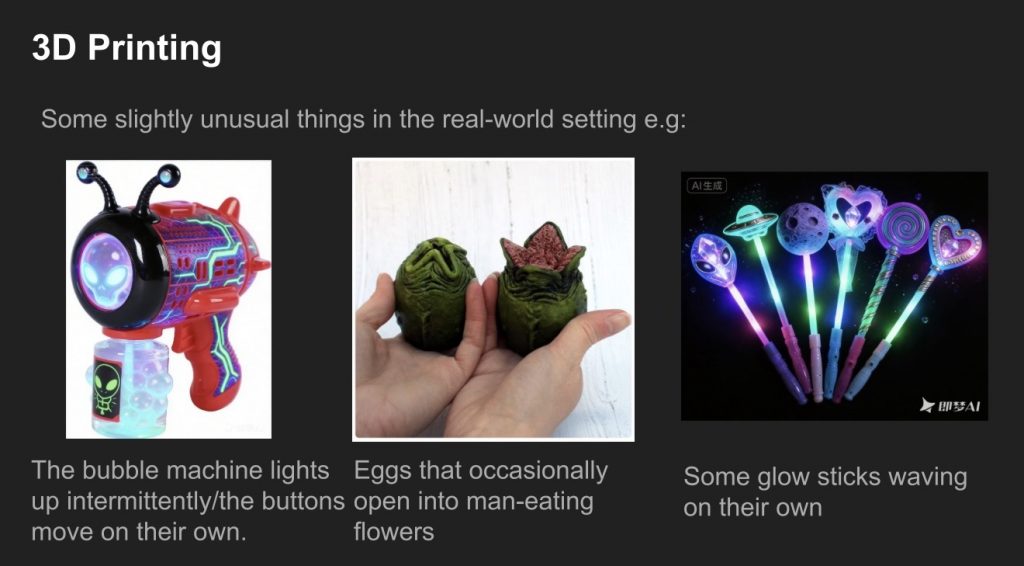
During our presentation, we proposed a narrative in which aliens secretly coexist with humans and communicate through unusual devices hidden in everyday environments. Visitors first encounter strange phenomena such as flickering lights, moving objects, or mysterious signals. After putting on an MR headset, they discover that these events are actually caused by hidden alien activities.
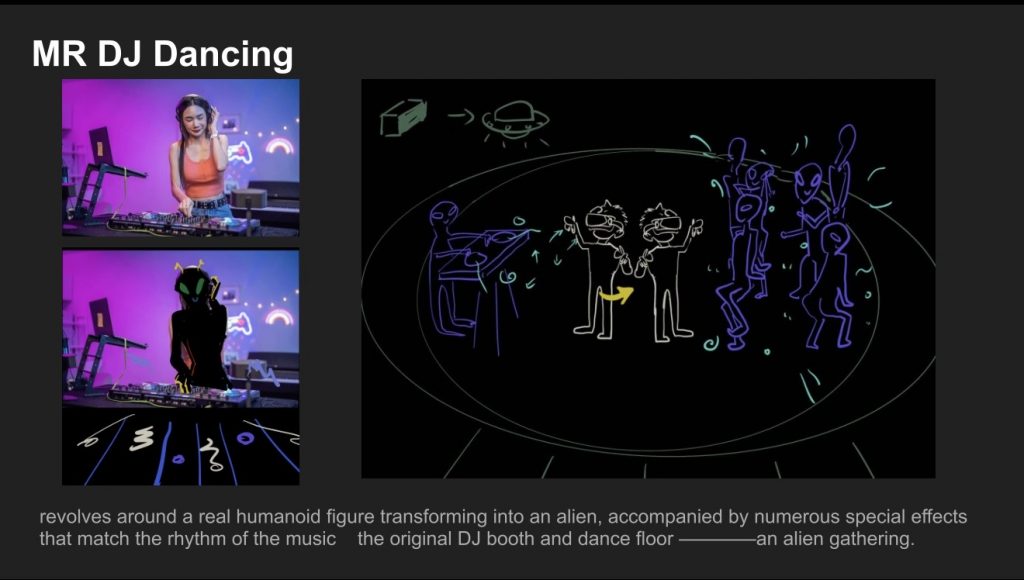
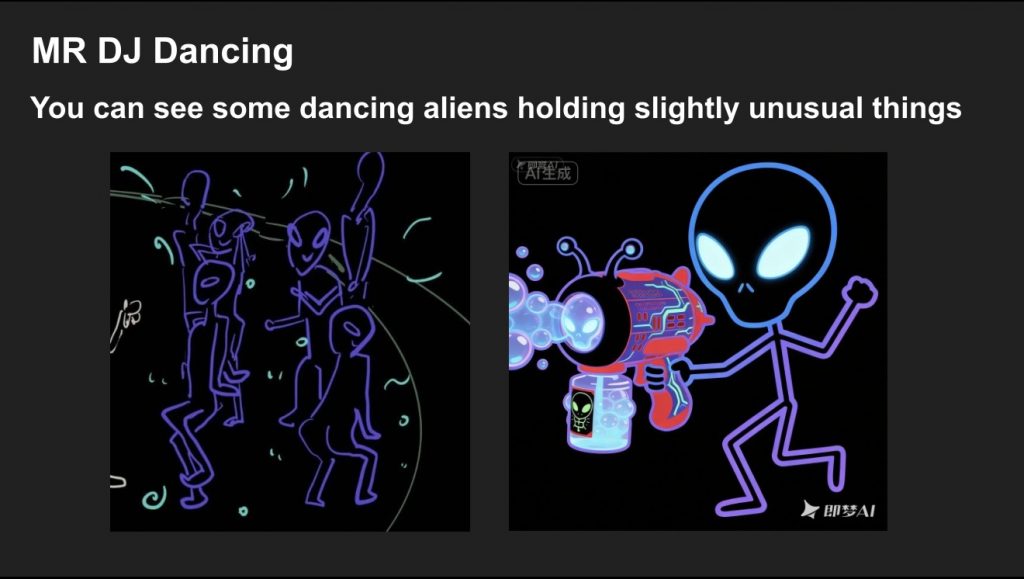
At the same time, we retained our interest in music and dance by developing the idea of an “alien DJ.” In the real world, visitors would see an ordinary DJ setup, while in MR they would discover an alien dance party taking place around it. The aliens would move with the music and encourage visitors to participate through visual cues and rhythmic interaction.
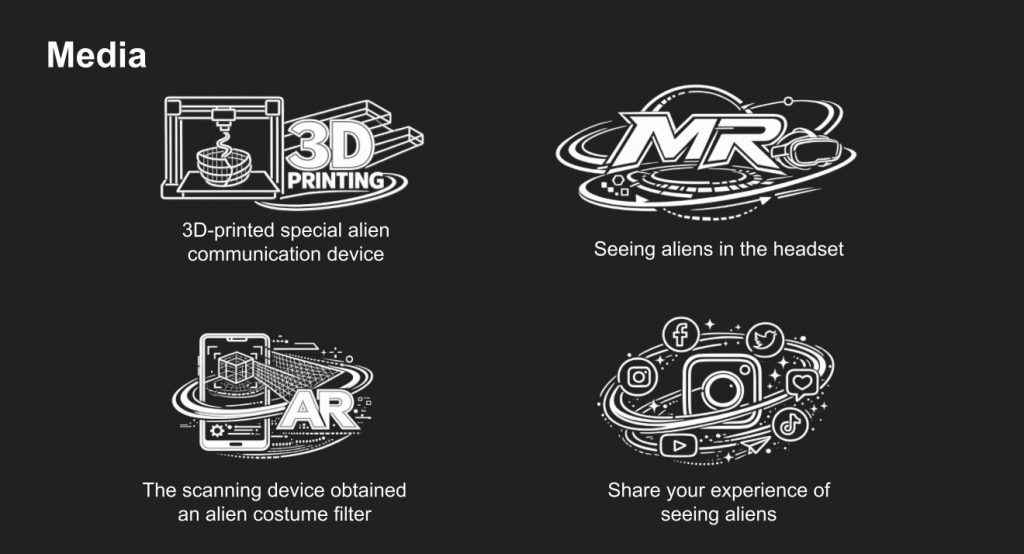
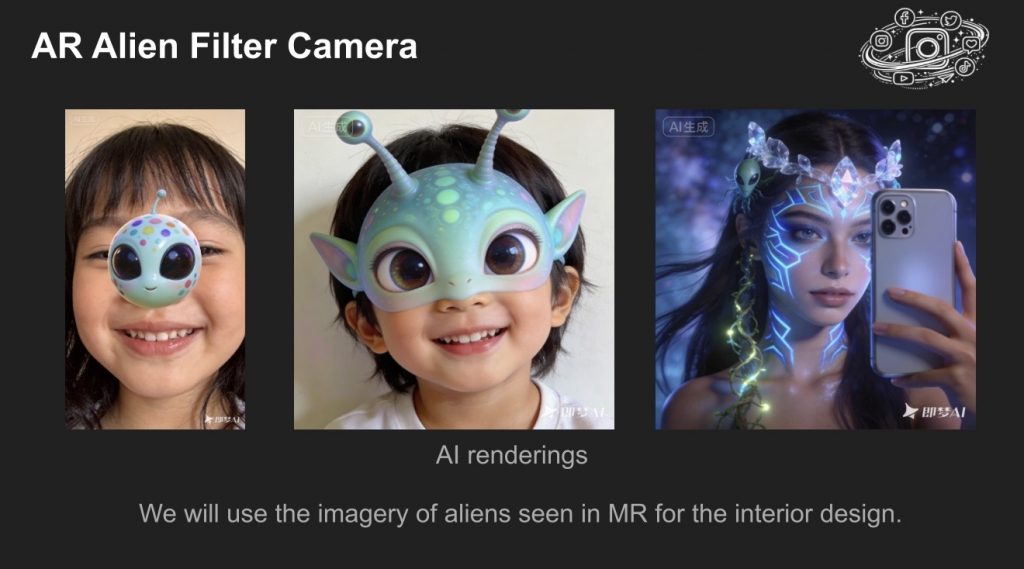
We also explored different media components, including MR experiences, 3D-printed alien communication devices, and AR alien filters. These elements would allow visitors not only to encounter aliens but also to document and share their experiences.
Leave a Reply