Category: Critical Practice and Exploration

  • WEEK 20

    ross platform production + final crit

    This week focused on final project optimisation and the creation of presentation materials. We conducted export and deployment tests of the MR experience, reviewing scene assets, animation state machines, interaction systems, and overall performance to ensure that the final build could run smoothly and reliably. Based on previous testing feedback, we further refined alien animations, interaction responses, and environmental effects, improving both usability and immersion.

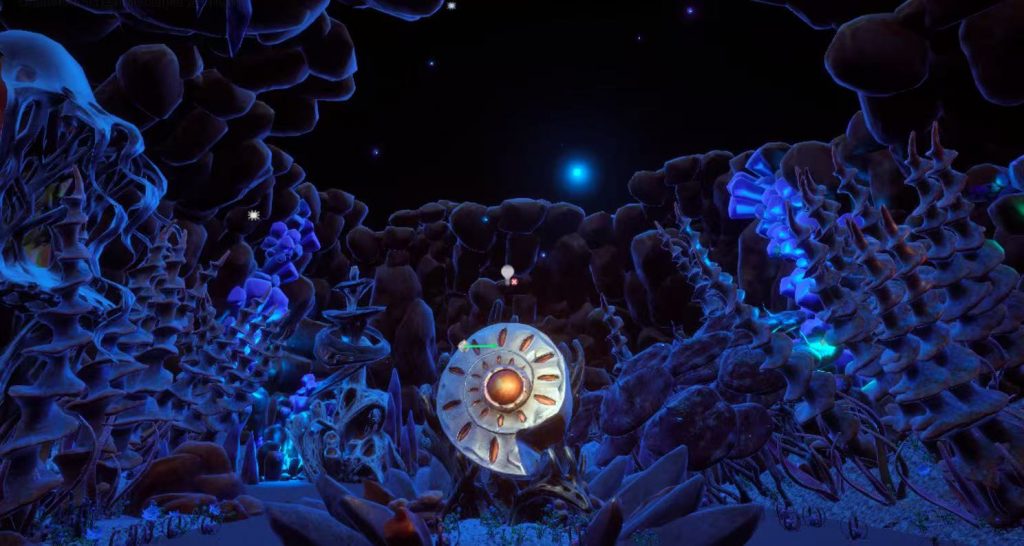
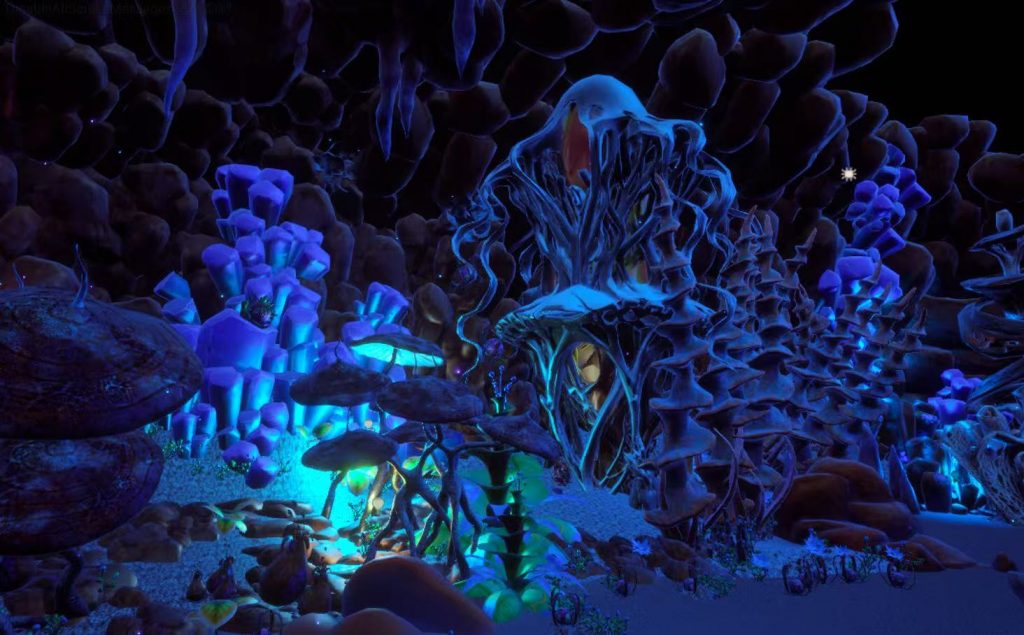
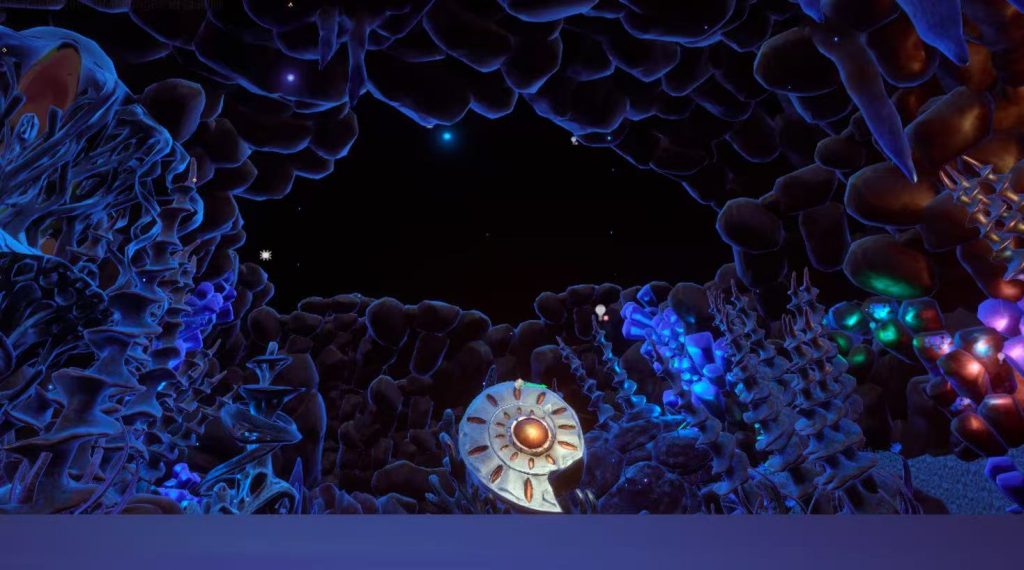
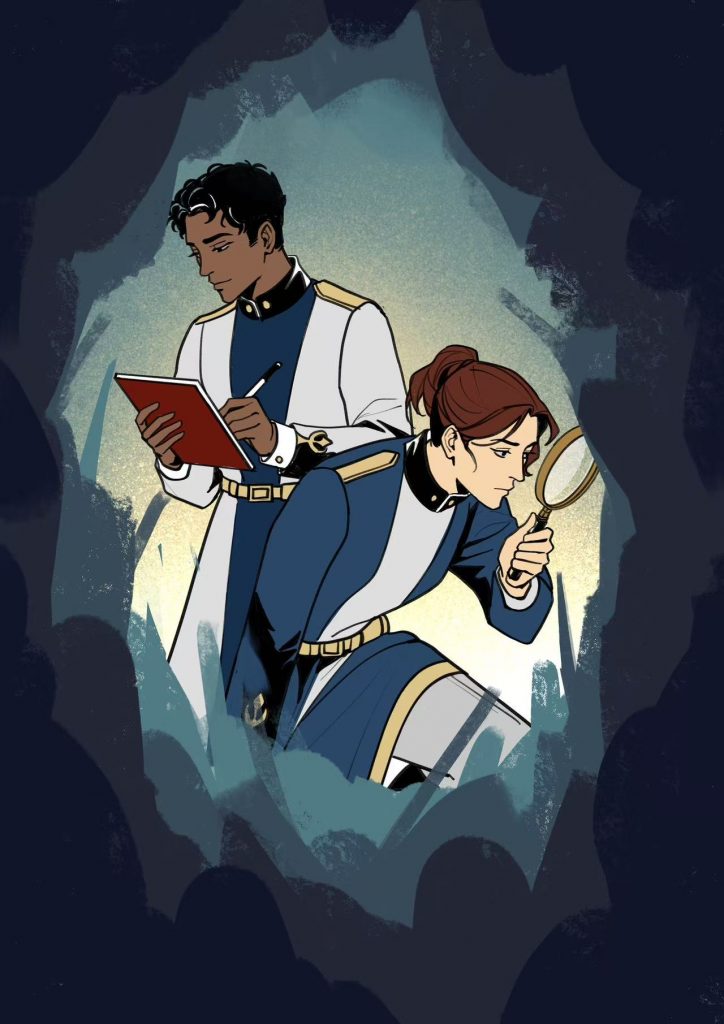
    At the same time, we began designing the project’s promotional poster. The visual design continued the concept of an alien underwater civilisation, using a mysterious cave environment as the setting and incorporating explorer characters to emphasise themes of discovery and interdimensional communication. During the design process, we refined the composition, lighting, and colour palette to create a stronger sense of atmosphere while clearly communicating the project’s science-fiction identity.
  • WEEK 19

    Cross-platform production

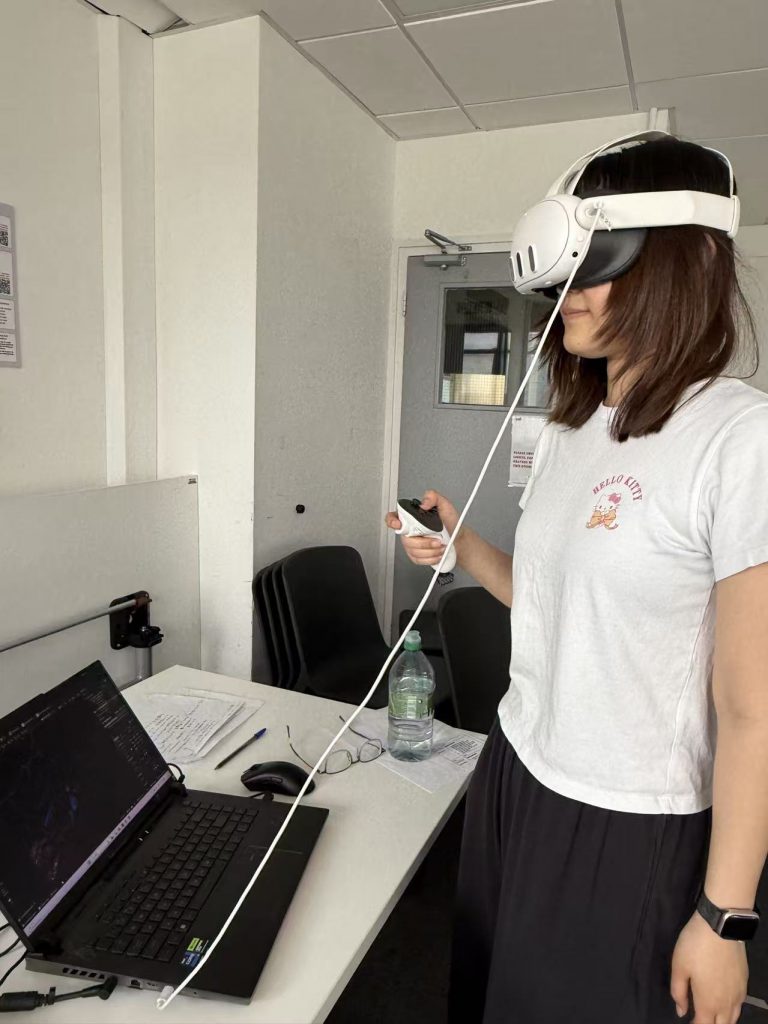
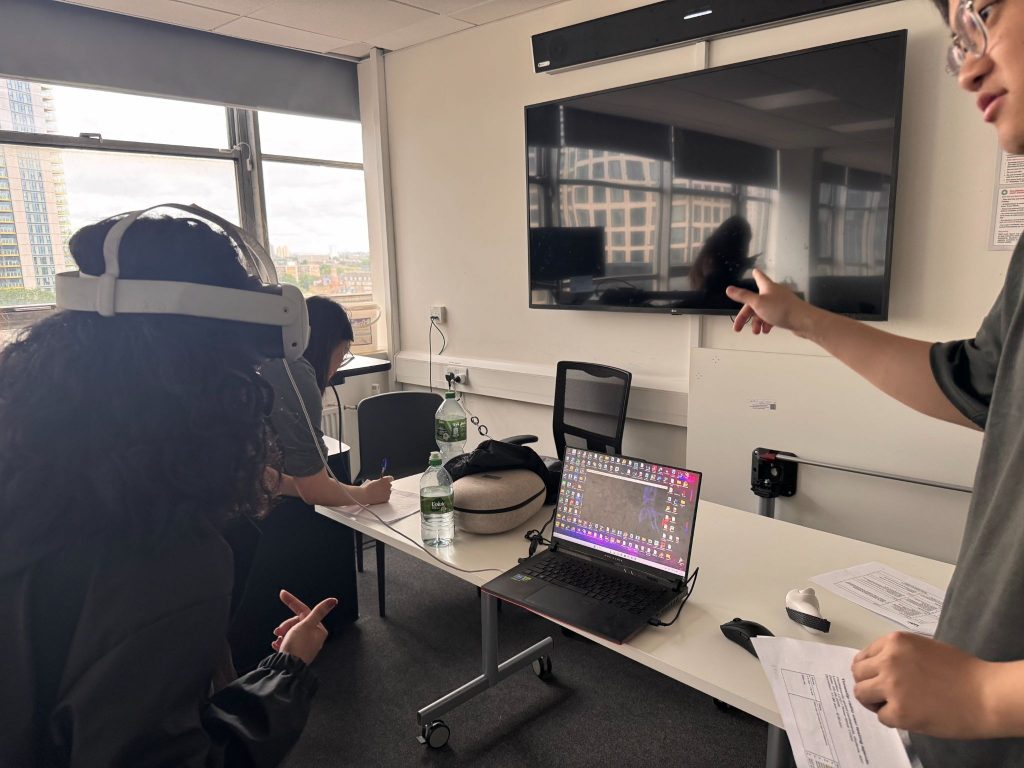
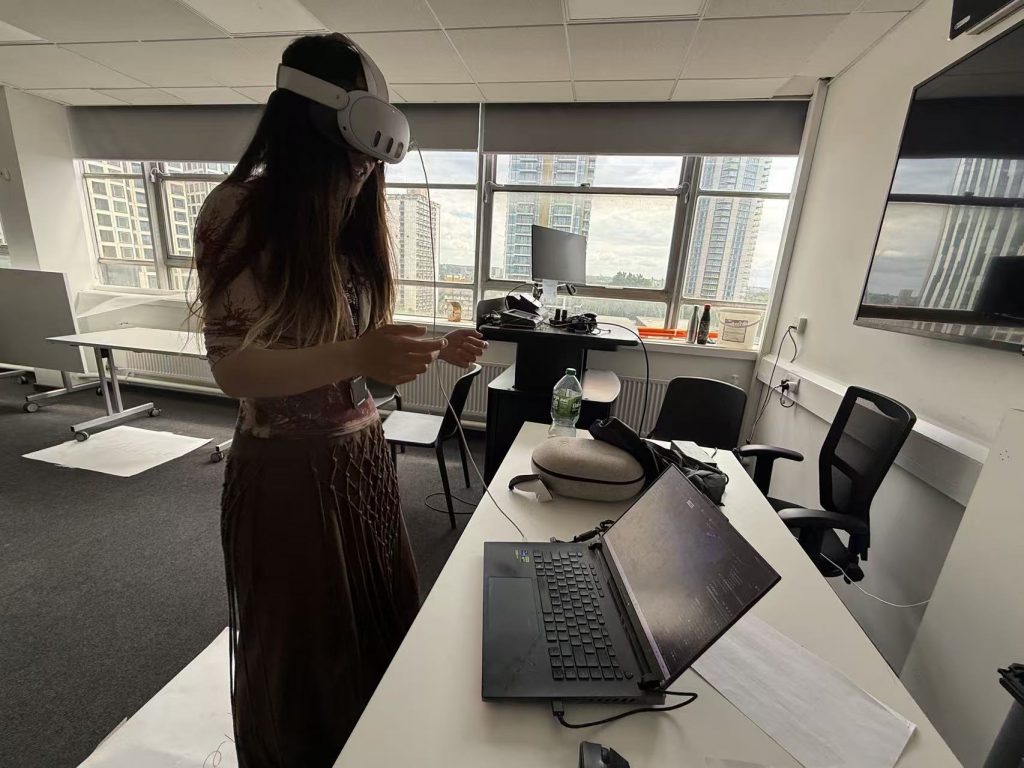
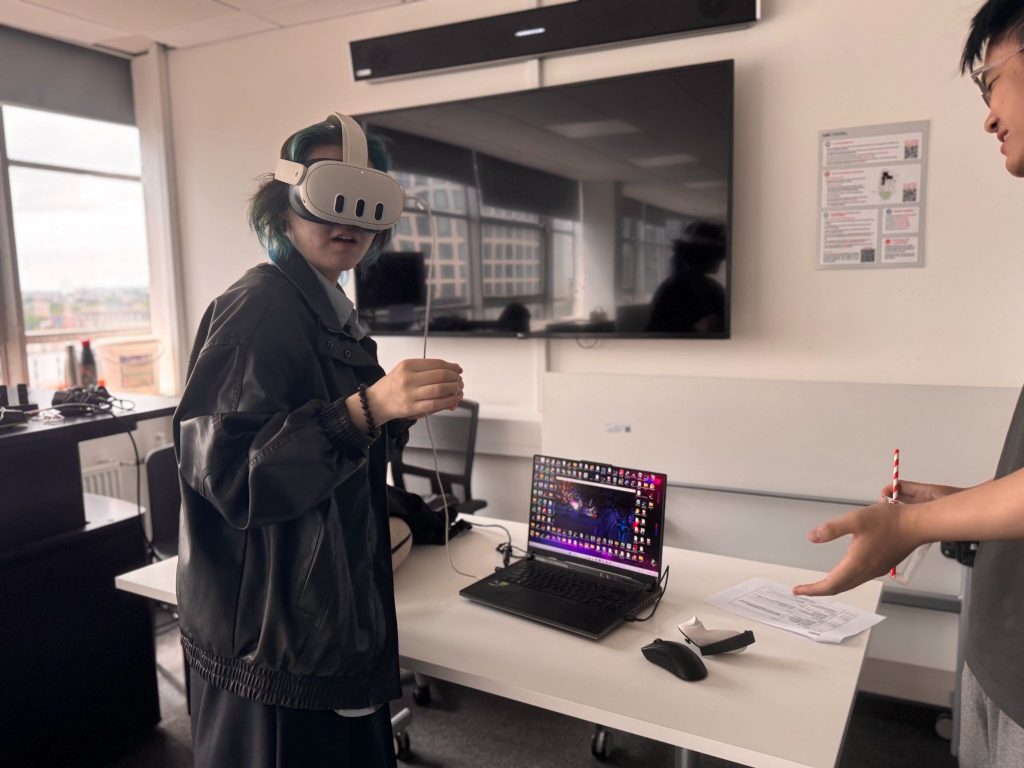
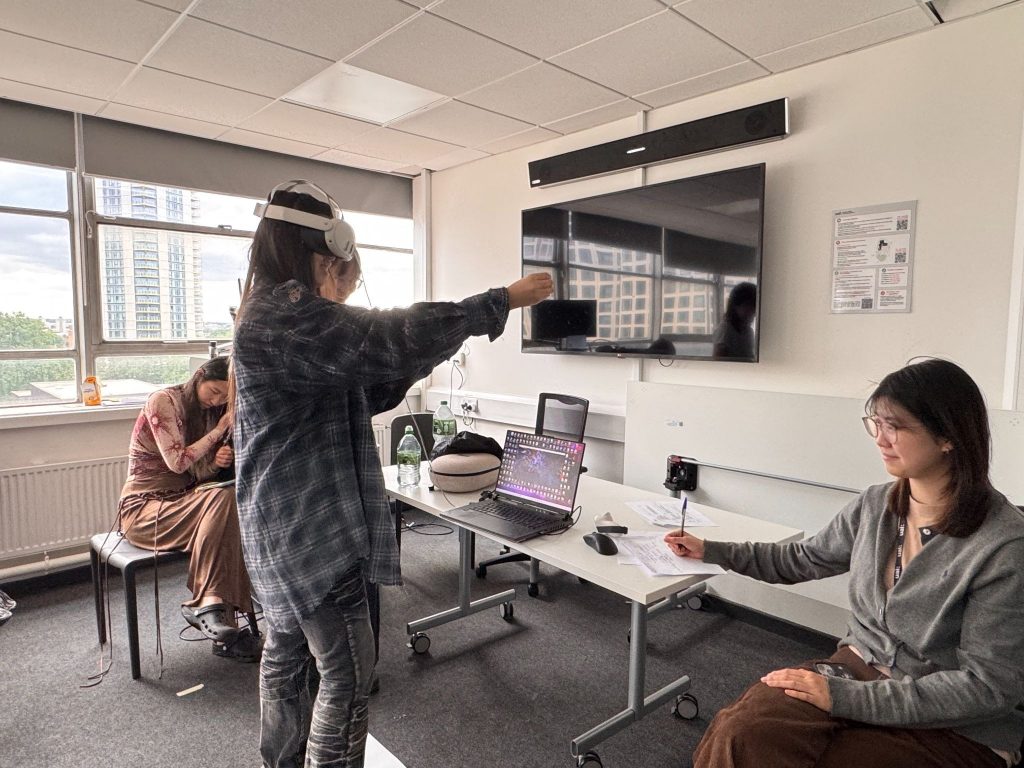
    This week, we conducted several rounds of user testing to evaluate the MR alien dance experience. Participants from different backgrounds were invited to test the project, while observations, interviews, and questionnaires were used to collect feedback on interaction design, world-building, character behaviour, and overall immersion.

    During the sessions, participants wore the Meta Quest headset and experienced the complete interaction flow, including grabbing the squid, activating the virtual world, observing alien behaviours, and interacting with the environment. Team members recorded user reactions and conducted follow-up interviews after each session.

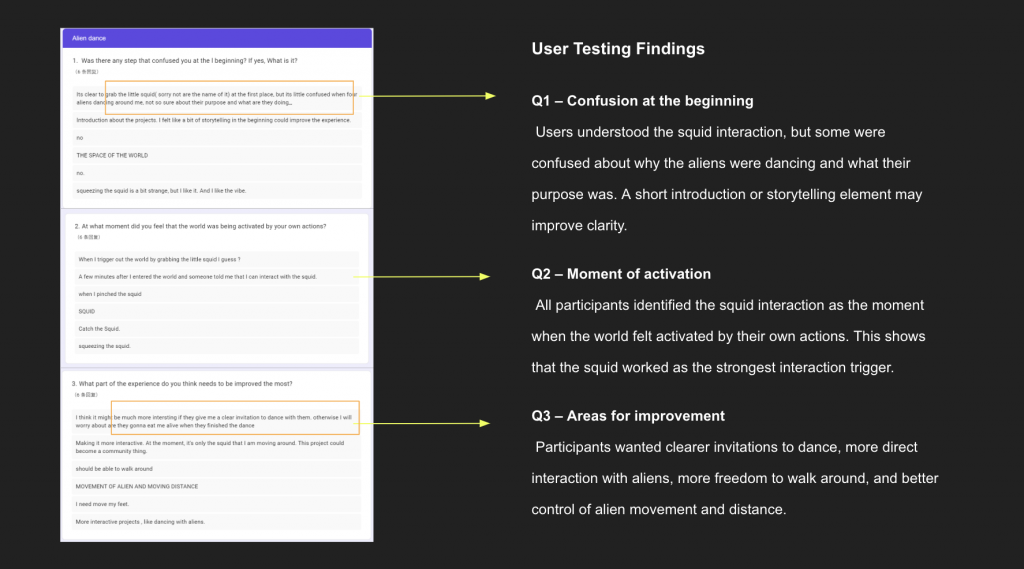
    The questionnaire results showed that most participants clearly understood the squid as the primary interaction tool and identified the moment of grabbing or squeezing it as the point when they felt the world responding to their actions. However, some users were confused at the beginning of the experience, particularly regarding why the aliens were dancing and what their purpose was. They suggested adding a clearer introduction or narrative context.

    Participants also expressed interest in having more direct interactions with the aliens, such as receiving invitations to dance, moving more freely around the environment, and experiencing richer feedback systems. These comments provided valuable guidance for future improvements.

  • WEEK 18

    Cross-platform production

    This week, we implemented character animations and interactive behaviours within the VR environment.

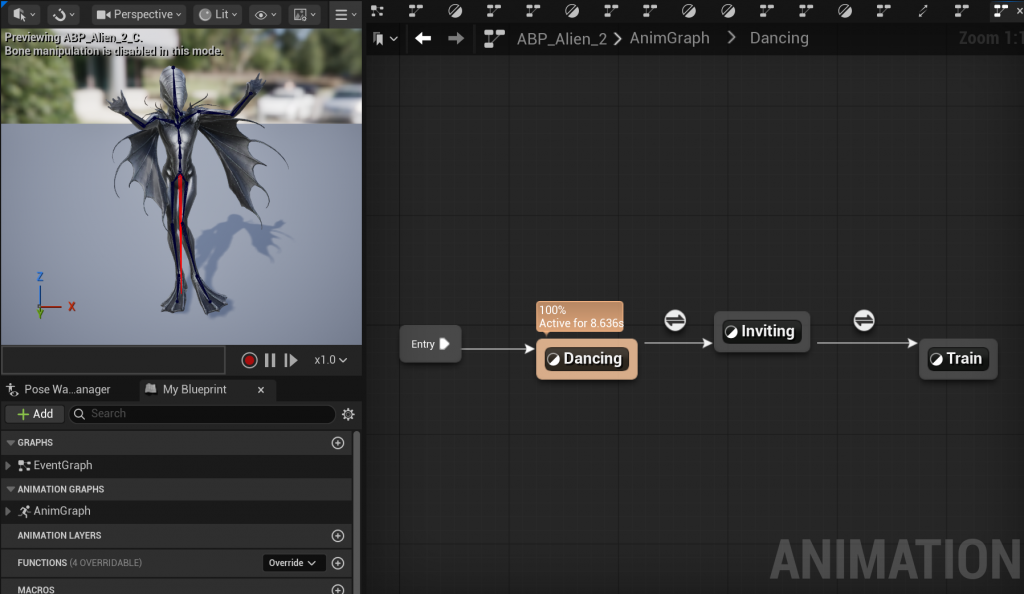
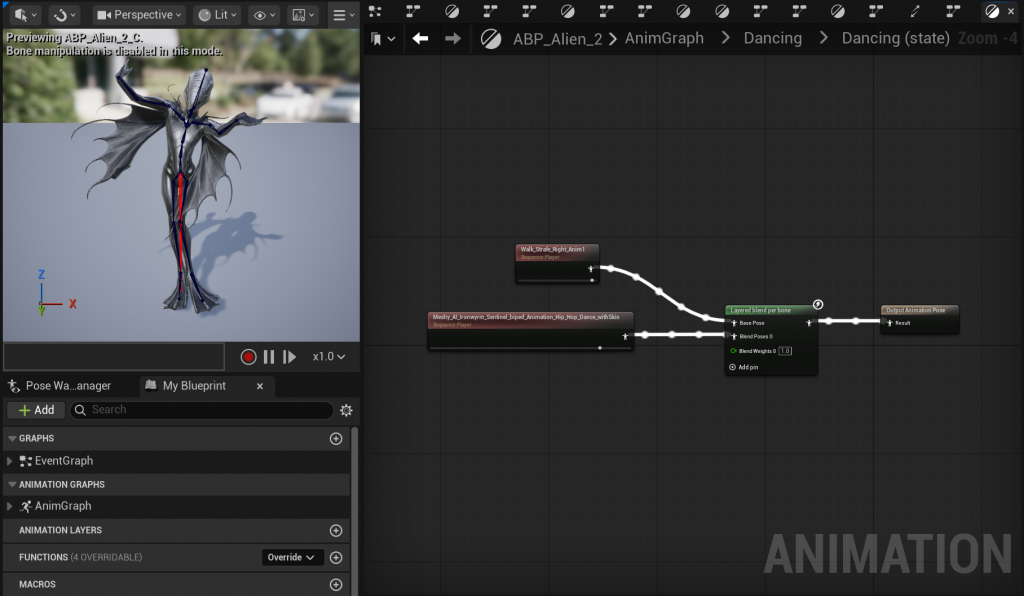
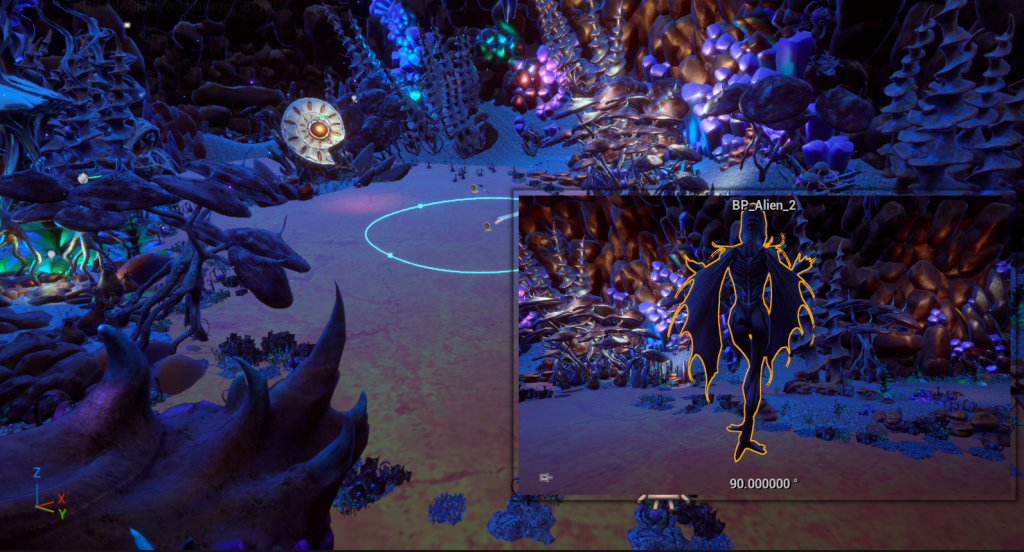
    We created animation state machines for the alien characters, allowing them to perform actions such as waving, spinning, and dancing. When the player enters a designated area, the aliens react by waving and turning toward the player, encouraging further exploration and interaction.

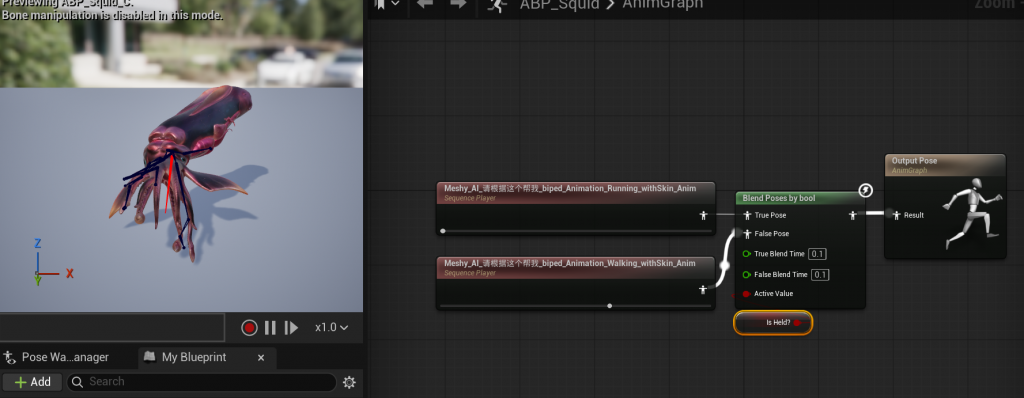
    At the same time, we developed the animation system for the squid interaction tool. After being picked up by the player, the squid changes between different animation states and serves as the primary interaction device throughout the experience. Using animation blueprints and state-based controls, we achieved smoother character performances and more responsive interactions.

  • WEEK 17

    Cross-platform production

    This week, we made a major adjustment to the game environment. Instead of using a more open underwater lava setting, we decided to change the main scene into a more enclosed and immersive underwater cave space.

    This change helped create a stronger atmosphere and better supported the idea of alien life hidden in an unknown environment. We added glowing plants, rock structures, coral-like forms, blue and purple lighting, and alien architectural elements to make the space feel like a deep-sea alien ecosystem.

    We also reconsidered the player’s viewing direction and movement flow. The cave structure helps guide attention toward the emitter, alien buildings, and dancing characters, while increasing the sense of mystery and exploration.

  • WEEK 16

    Cross-platform production

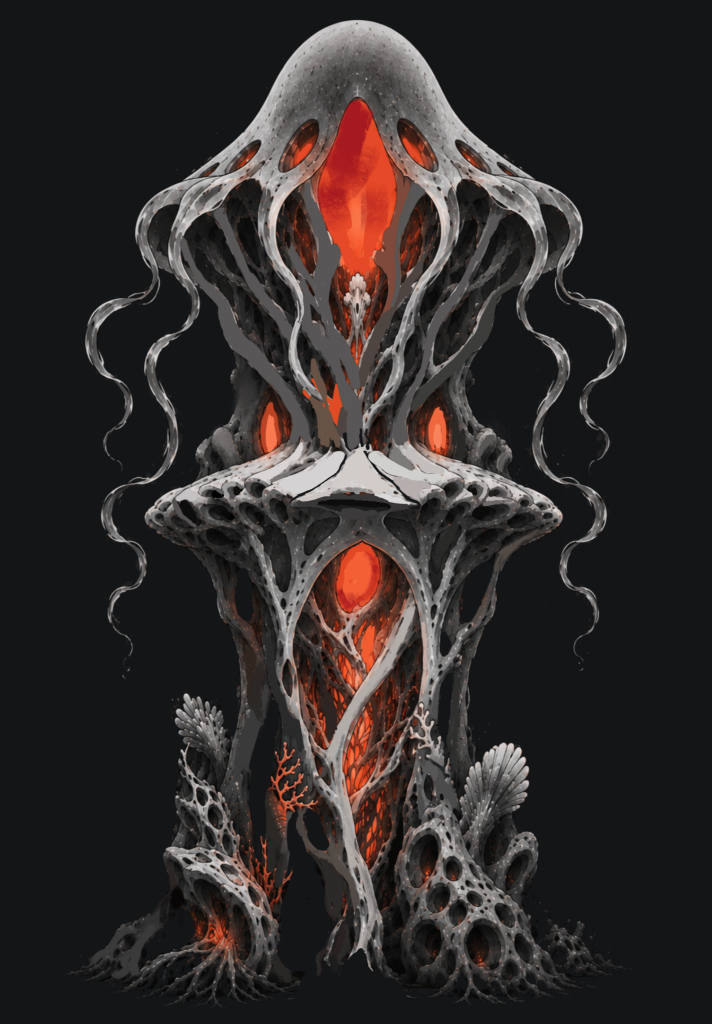
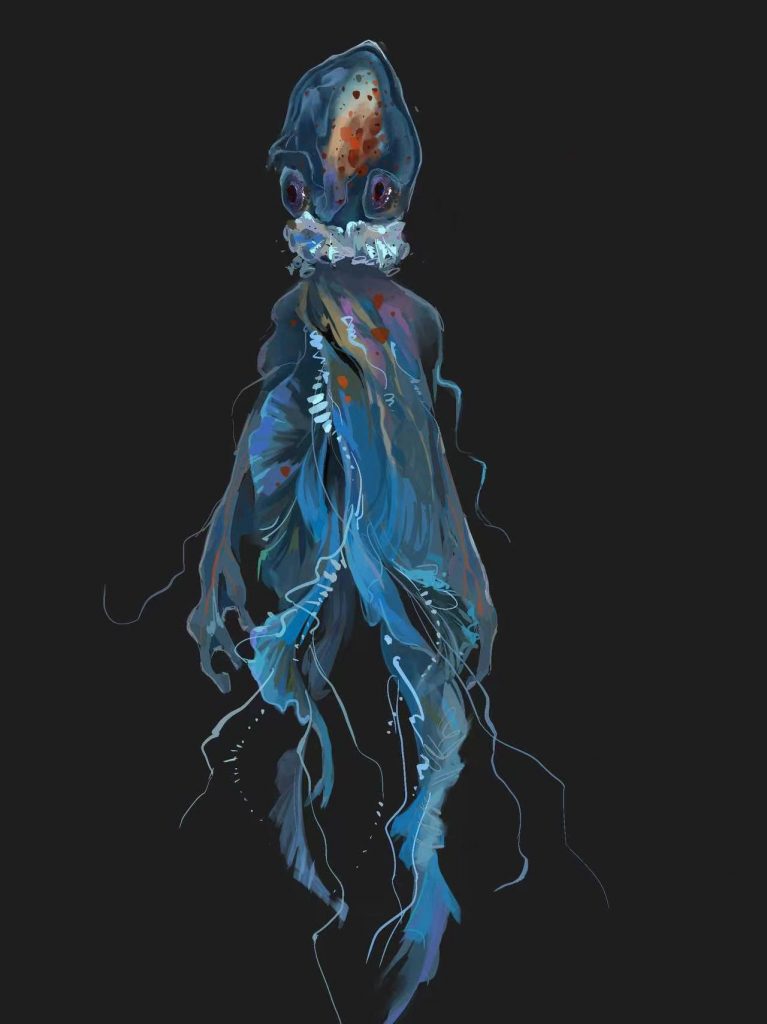
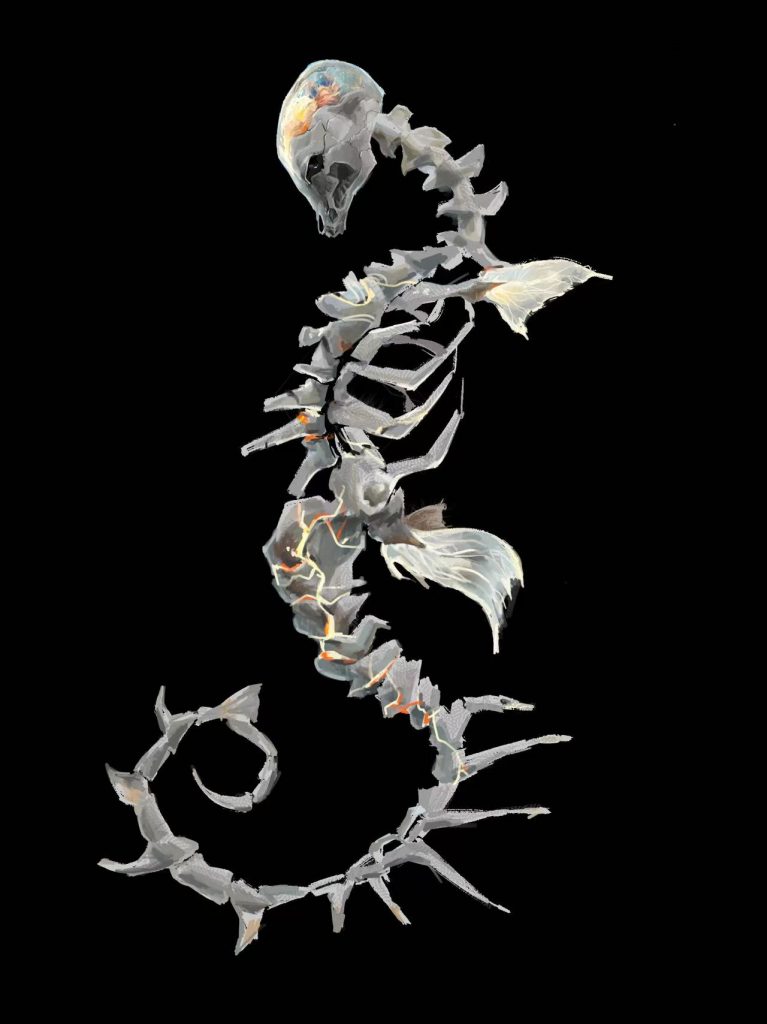
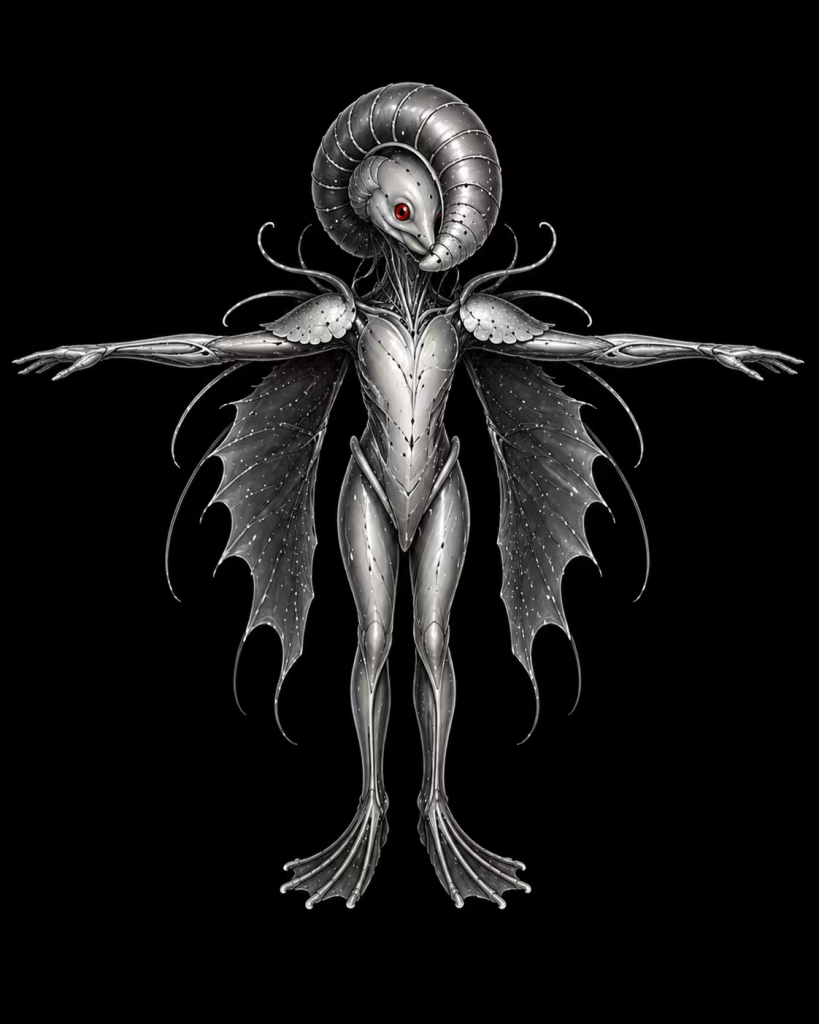
    This week, we moved into the production stage and began using AI-assisted tools to create alien creatures and environmental assets. Based on the previously established underwater-lava ecosystem concept, we generated multiple designs for creatures, architecture, and devices, then selected suitable concepts for further development.

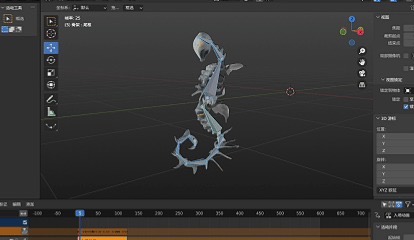
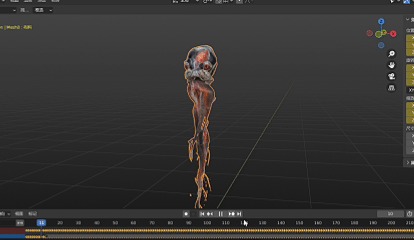
    For character production, AI-generated concept designs were refined and optimized in Blender to meet the requirements of animation and gameplay implementation.

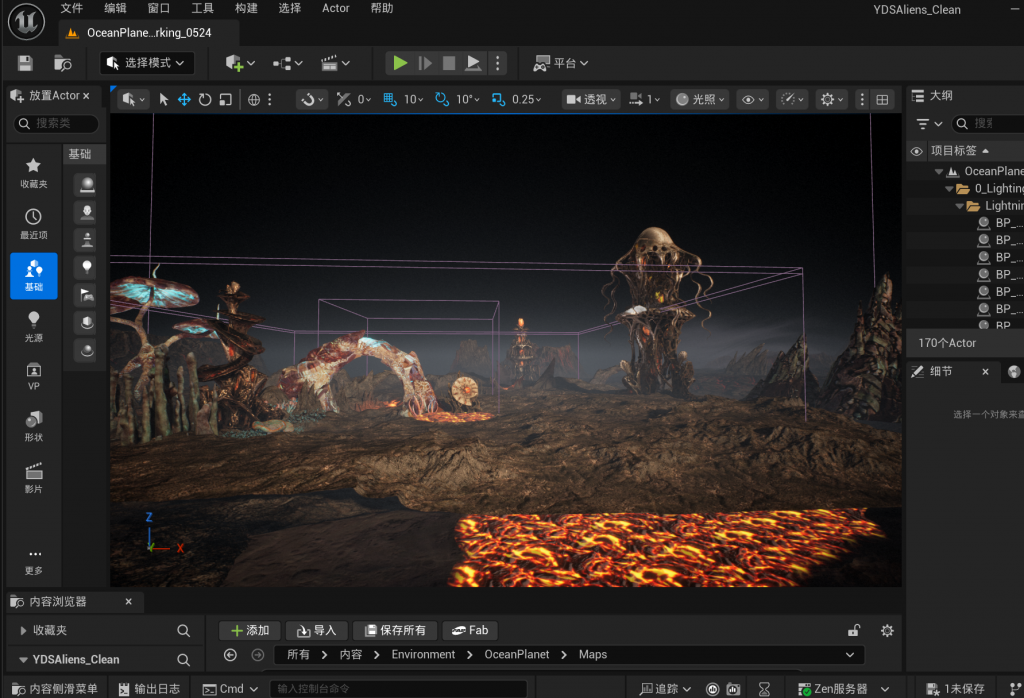
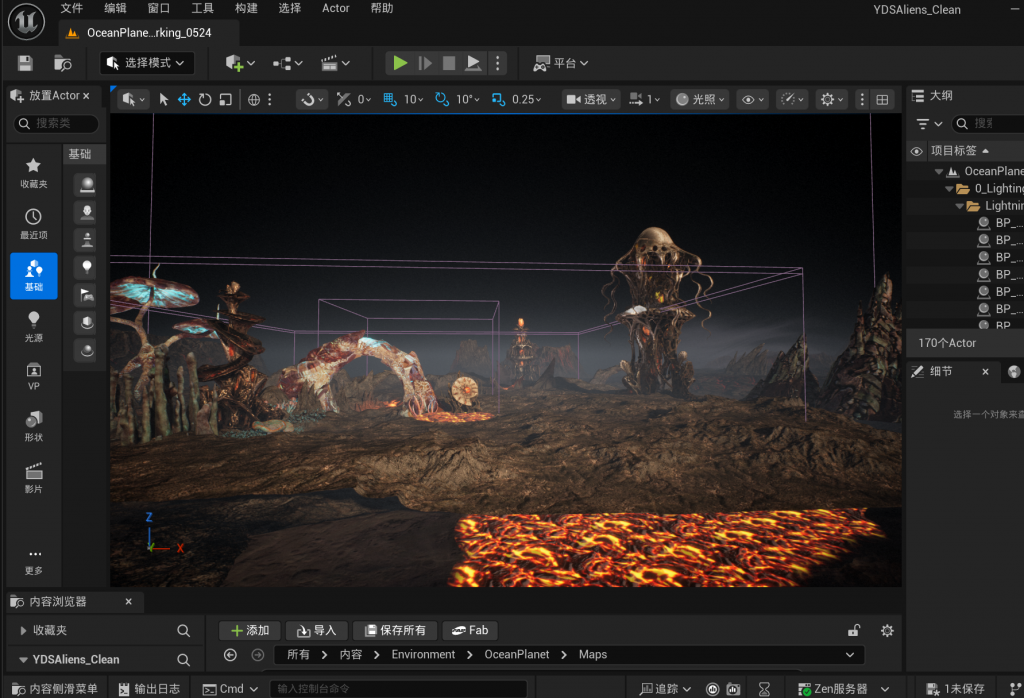
    For environment building, the completed assets were imported into Unreal Engine, where we started constructing the underwater lava world. The scene incorporates rocky terrain, lava pools, coral-inspired architecture, glowing vegetation, and the redesigned alien launcher, gradually forming a cohesive alien ecosystem.

  • WEEK 15

    Cross platform production

    This week, we further developed the visual design of the alien world, focusing on architectural concepts and refining the launcher device.

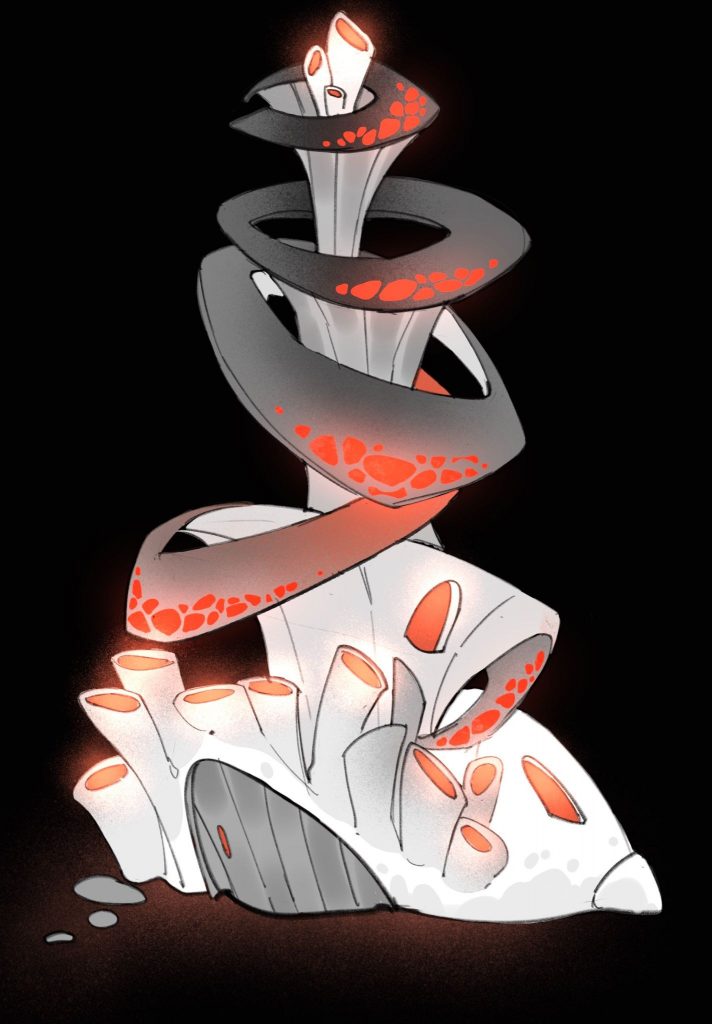
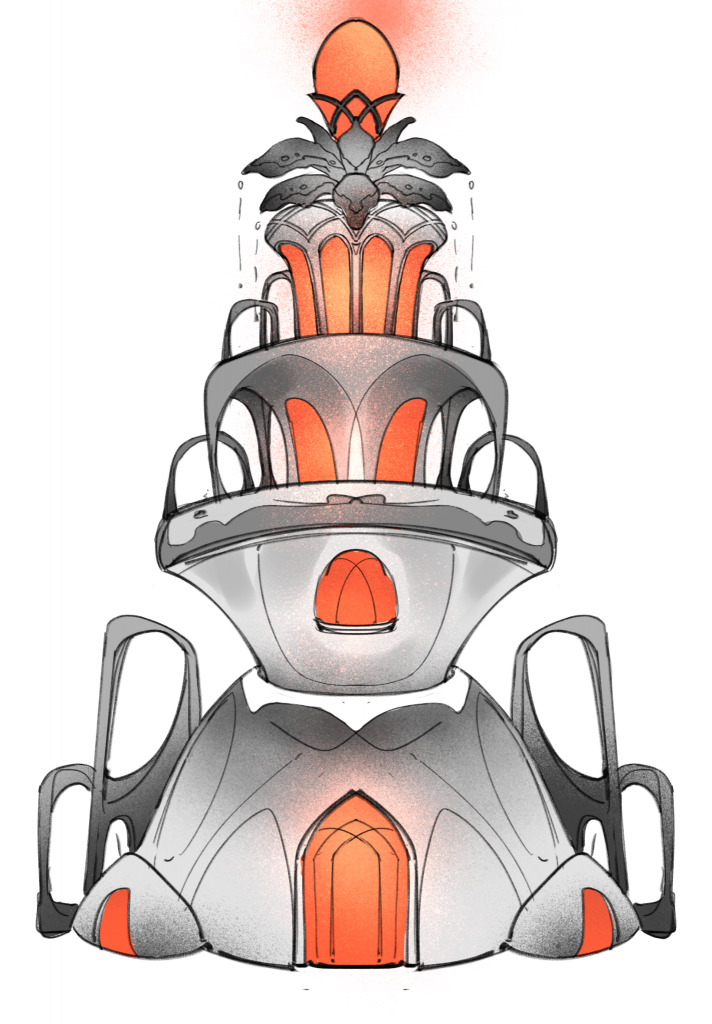
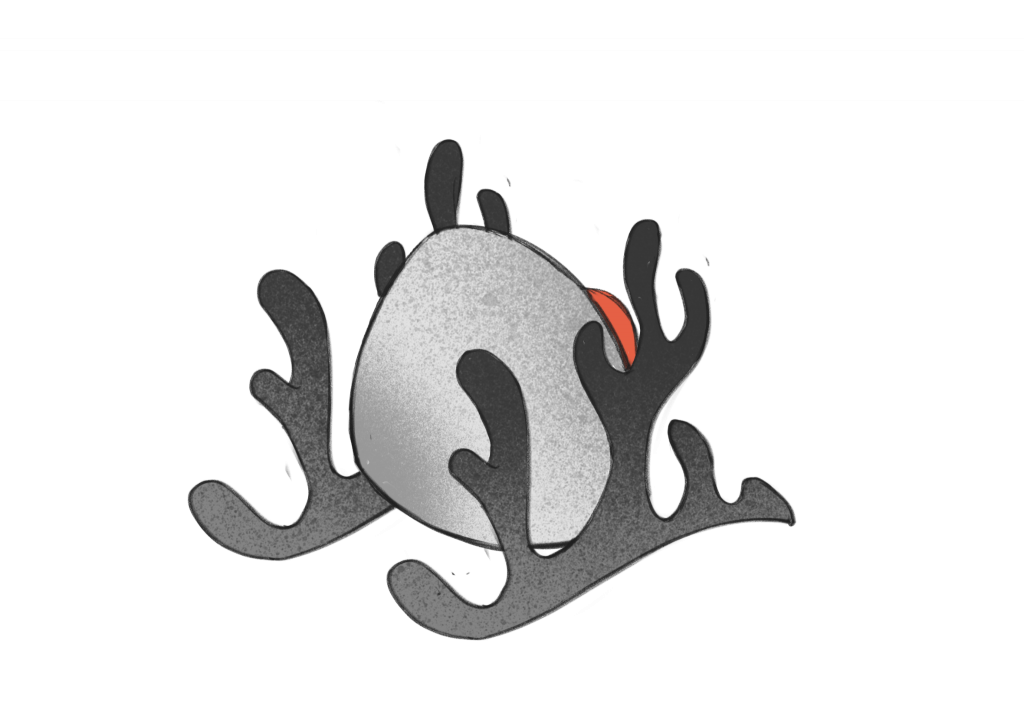
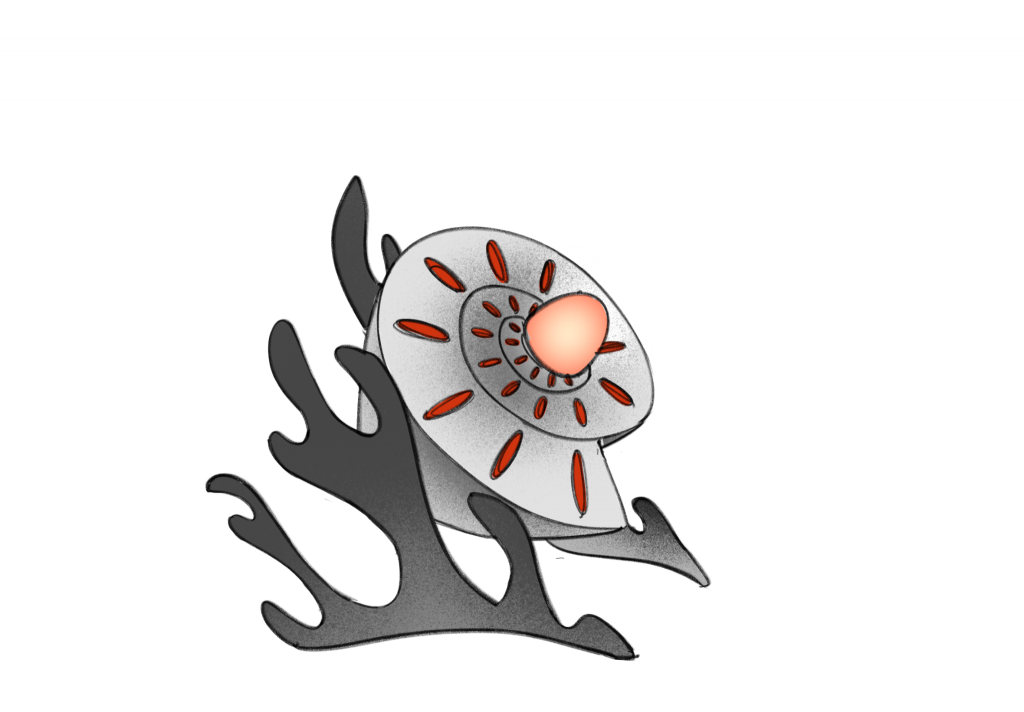
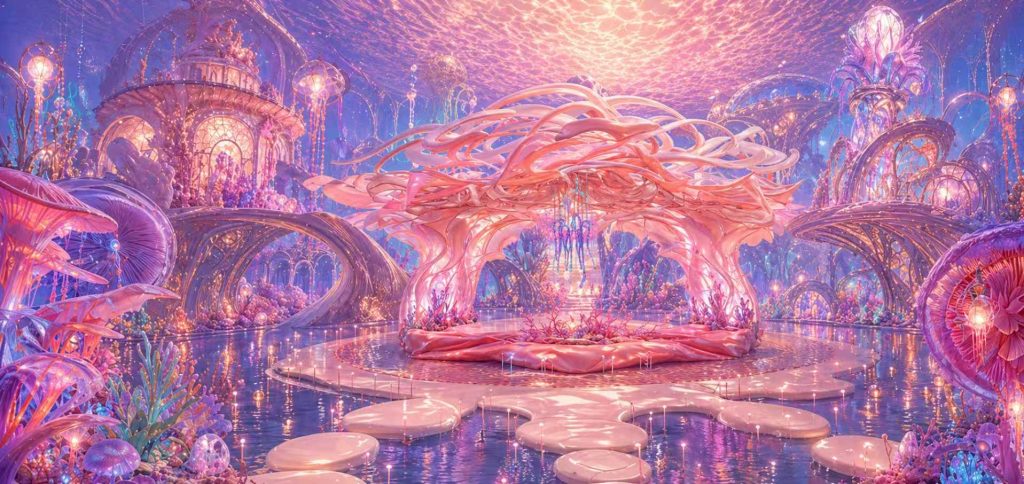
    For the architecture, we explored designs inspired by underwater ecosystems, incorporating forms derived from corals, shells, and organic biological structures. This approach helped create a more believable alien civilization and strengthened the immersive quality of the environment.

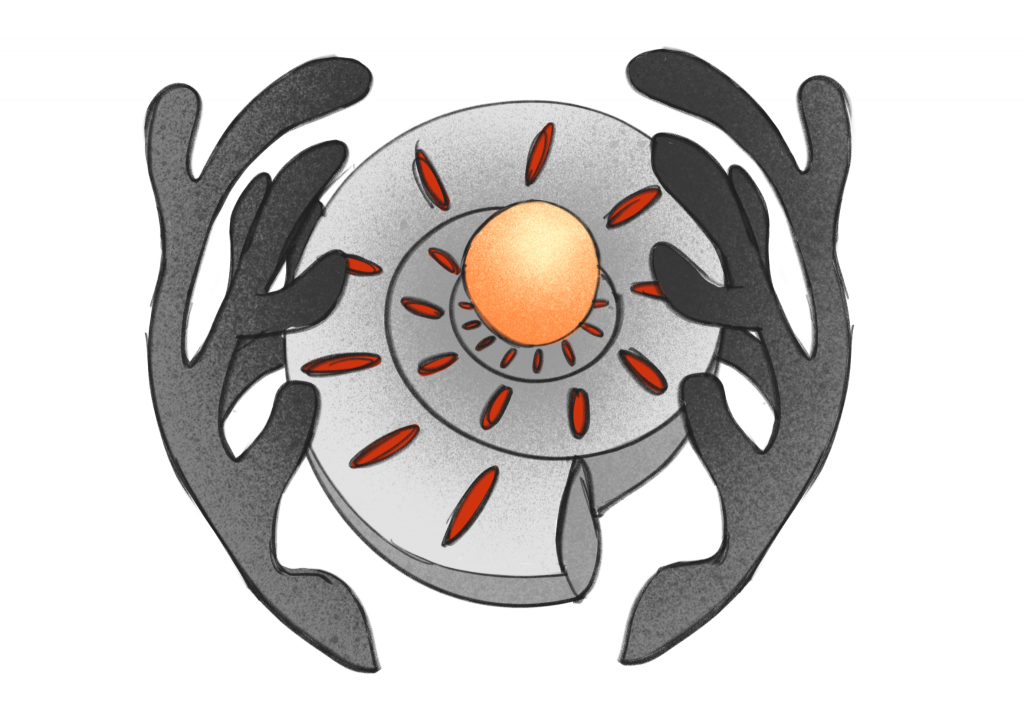
    We also redesigned the alien launcher. The original version had a more traditional science-fiction appearance with a strong space-technology aesthetic. However, it did not fully match the underwater ecosystem theme established in previous weeks. Therefore, we redesigned it using shapes inspired by ammonites and coral structures, creating a more organic device that integrates naturally into the environment while maintaining its functional role.

  • WEEK 14

    Cross platform production

    This week, we focused on the concept design of alien creatures and environments. Based on the previously established underwater volcanic alien world, we collected visual references and explored design directions that fit the project’s world-building.

    For creature design, we drew inspiration from deep-sea organisms, fish skeleton structures, and fantasy creatures. We experimented with glowing organs, unusual body structures, and unique biological characteristics to create distinctive alien life forms. Through concept sketches and design iterations, we gradually defined the visual direction of the creatures.

    For environment design, we explored elements such as bioluminescent plants, alien corals, energy crystals, and organic architecture to build a vibrant underwater volcanic ecosystem. Bright pink, purple, and blue tones combined with glowing effects were used to create a mysterious and fantastical atmosphere.

  • WEEK 13

    Cross platform production

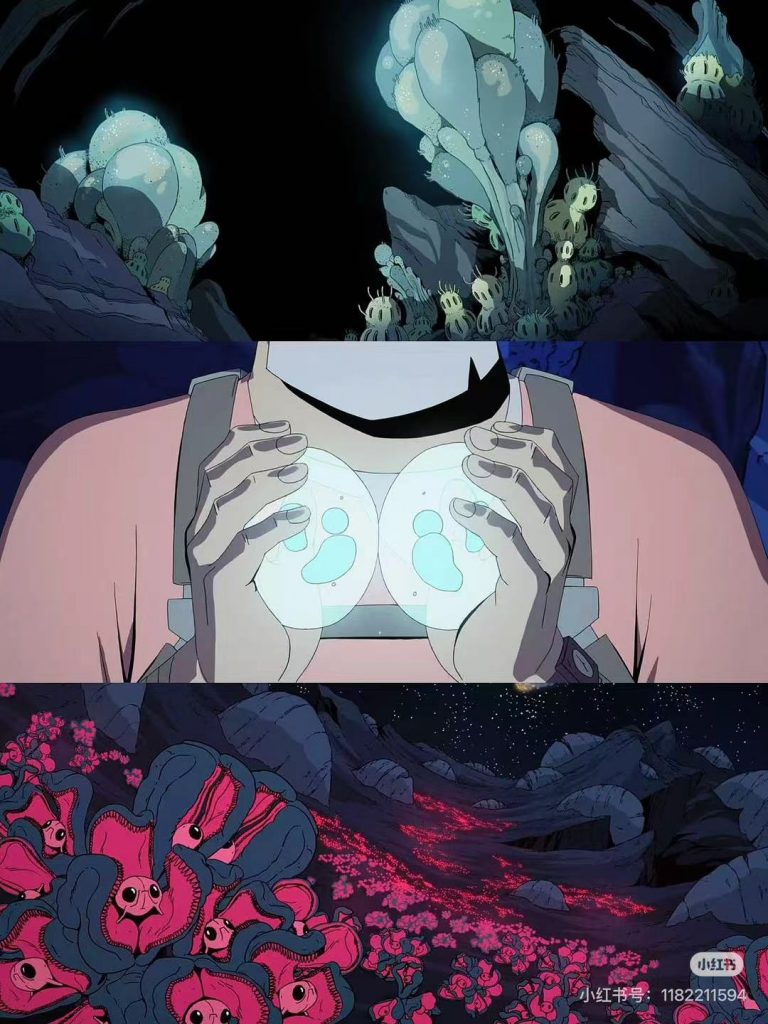
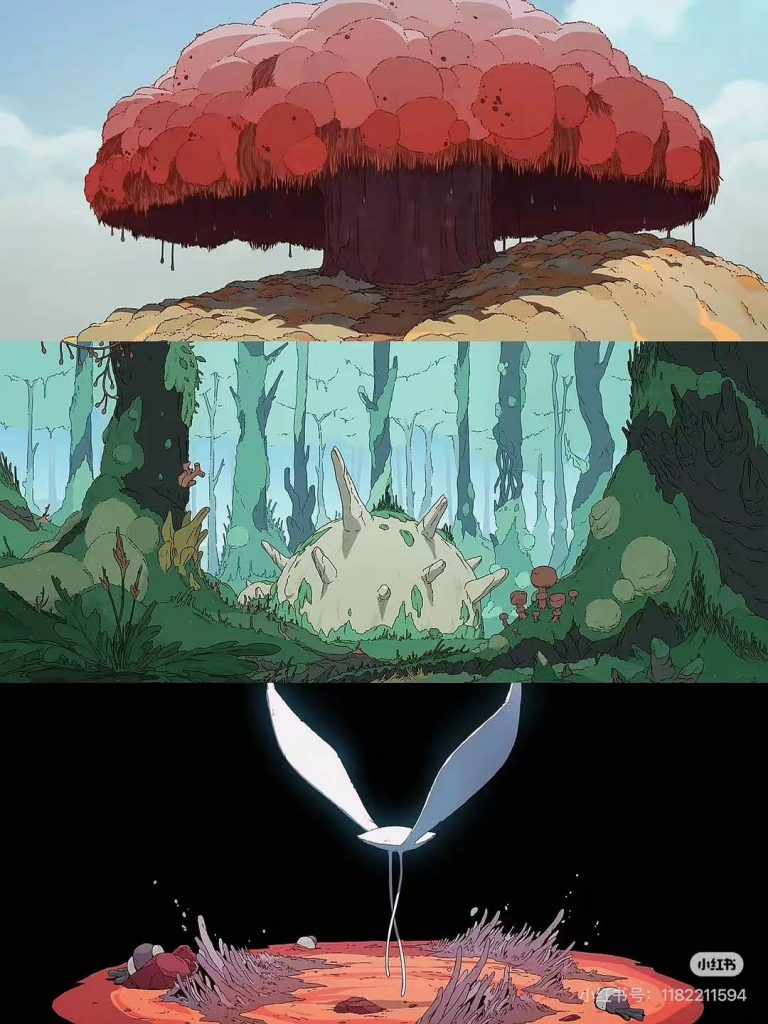
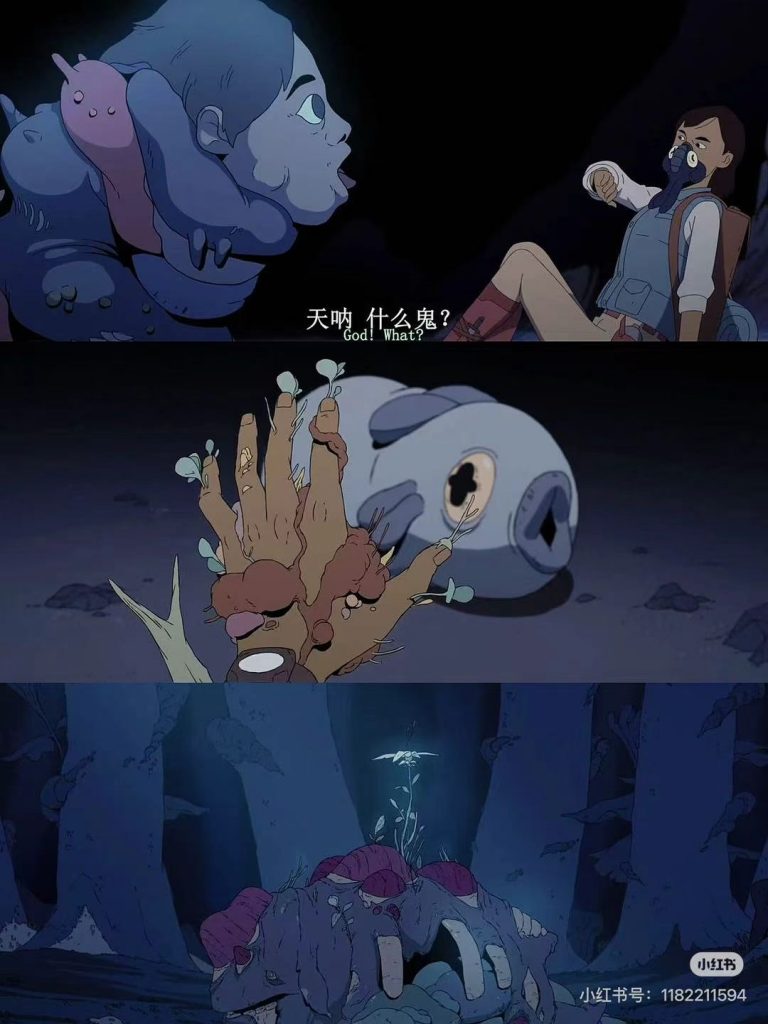
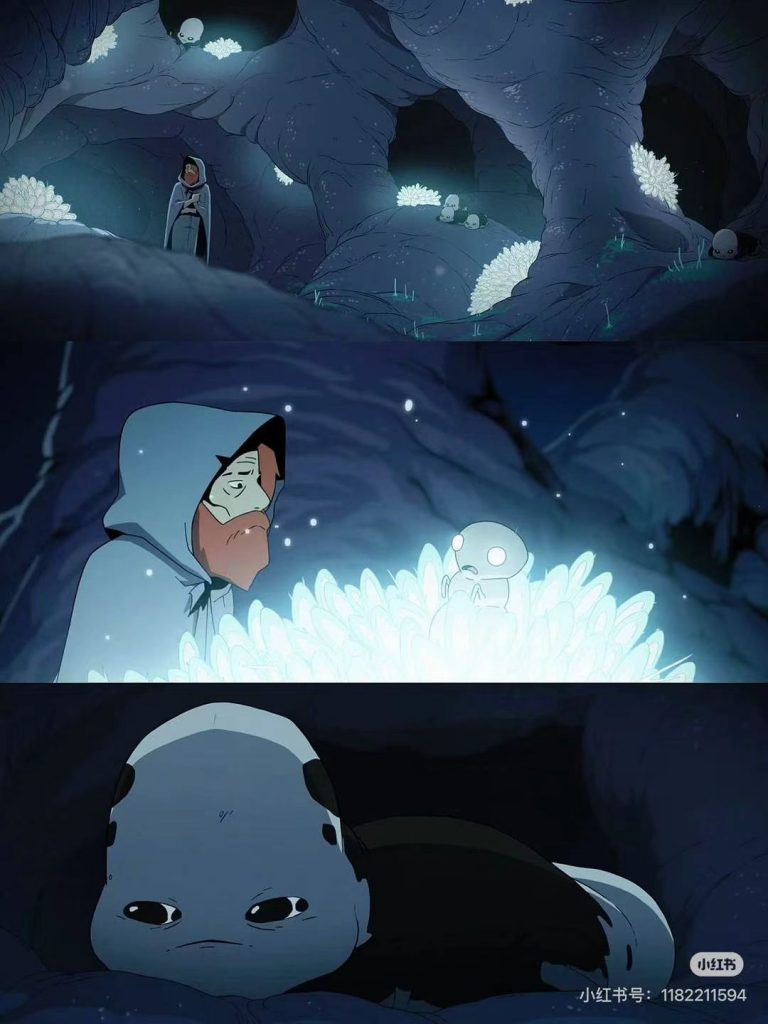
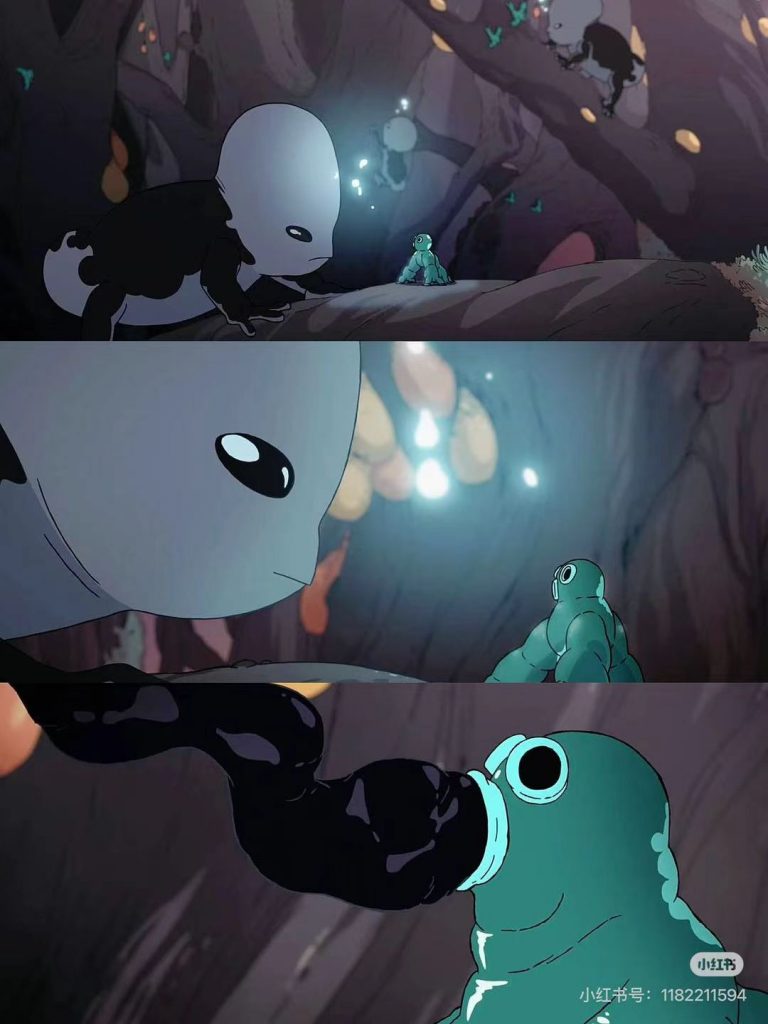
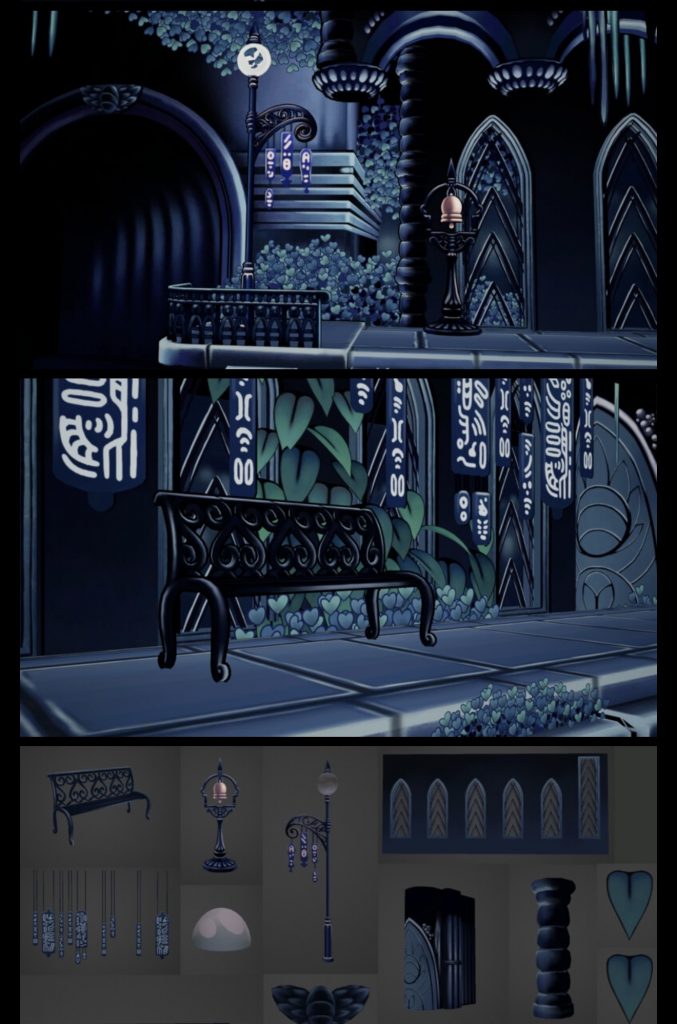
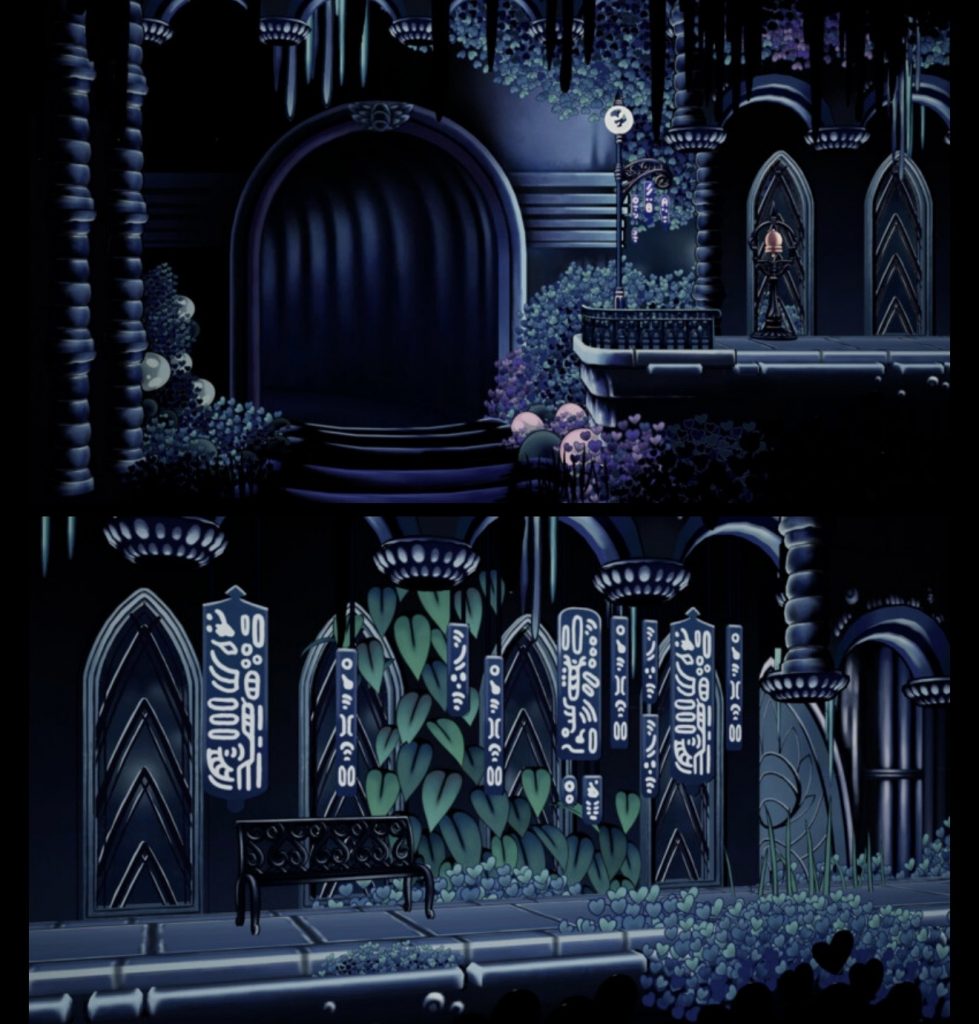
    This week, we established the overall visual style and world-building direction of the project. We used Hollow Knight as a key reference, particularly its atmospheric environments and ecosystem-based design approach.

    After several discussions, we decided to set the game in an alien world located within an underwater volcanic environment. Influenced by deep-sea pressure and mysterious energy sources, the creatures in this world have evolved into unique life forms and ecosystems. We collected visual references related to bioluminescent plants, deep-sea organisms, and alien environments to guide our design process.

    The main achievement of this week was defining the project’s artistic direction and world framework, providing a foundation for future character design, environment creation, and gameplay development.

  • WEEK 12

    Cross platform production

    This week, we completed the AR component of the project and transformed our previously designed postcard into an interactive digital experience.

    After finalising the postcard design, we used Kivicube to build an AR experience. The postcard image was configured as an image target, and an animation related to the project’s alien world was created and linked to it. When visitors scan the postcard with their phones, hidden animated content appears in real space, turning a static printed object into an interactive experience.

    During development, we tested image recognition accuracy, animation playback performance, and recognition stability under different lighting conditions. Based on the results, we refined the postcard design and adjusted the tracking areas to improve reliability and usability.
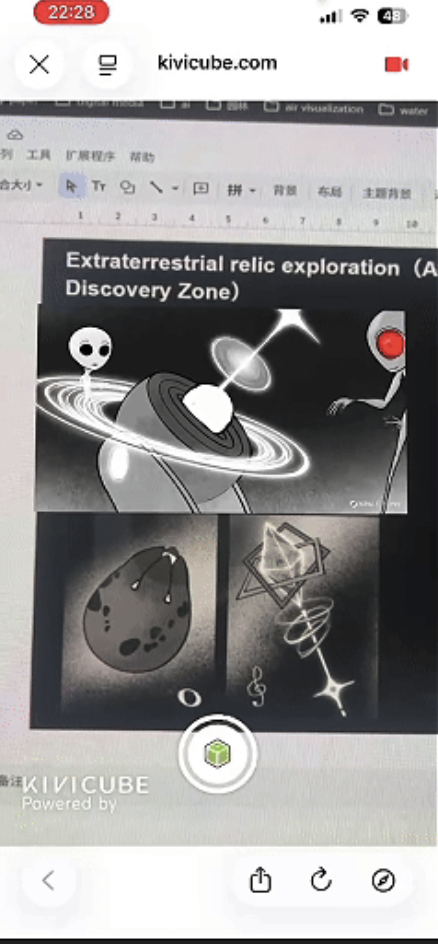
    This AR feature became an important extension of the overall visitor journey. After completing the MR experience, visitors could take the postcard home and continue interacting with the project through their mobile devices. Rather than functioning only as a promotional item, the postcard became a bridge between the physical exhibition and digital content.

  • WEEK 11

    Work review – mid crit

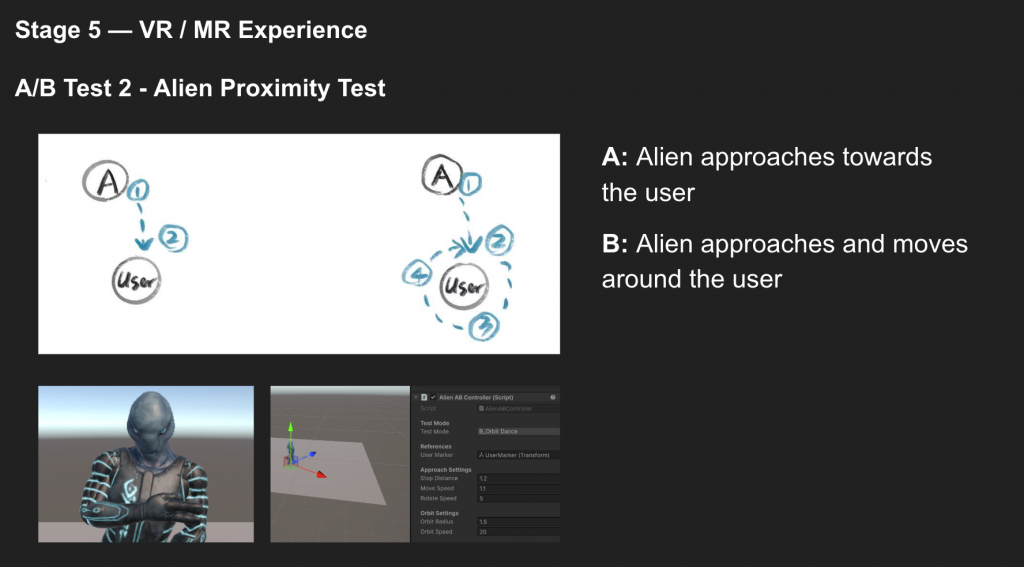
    This week, we conducted user testing to evaluate how visitors would respond to different forms of alien interaction. The tests focused on two key questions: the comfortable distance between aliens and users and how aliens should approach users.

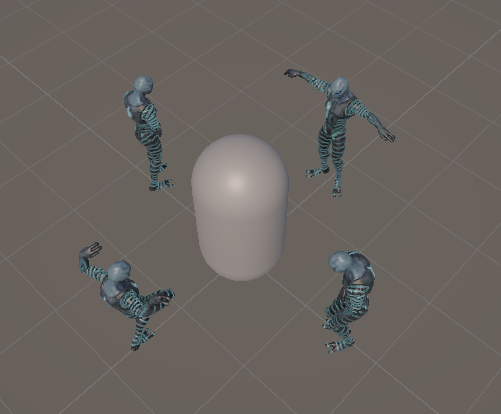
    The first study examined proximity. We created a Unity test scene where aliens appeared at different distances and gradually moved closer to participants. Users were asked to identify distances that felt comfortable while still allowing them to clearly observe the aliens. The results suggested that most participants were comfortable with relatively close distances, provided that the aliens behaved in a friendly and non-threatening manner.
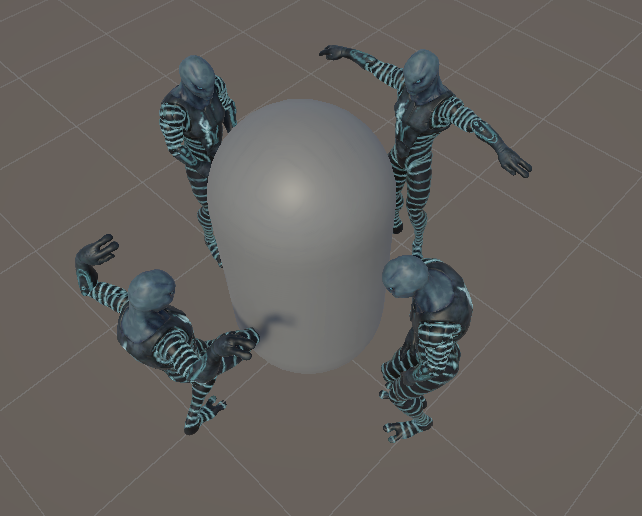
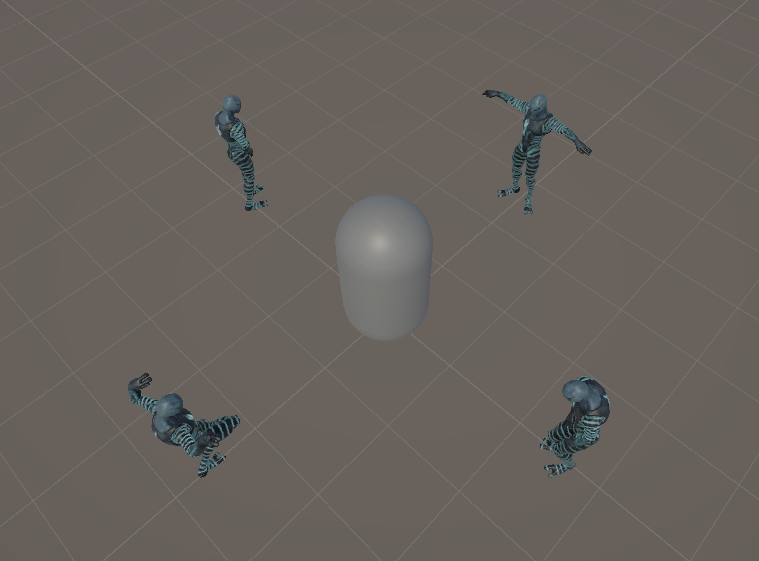
    The second study was an A/B test comparing two movement patterns. In Version A, the alien approached the user directly and stopped in front of them. In Version B, the alien first approached and then moved around the user in a circular path. Most participants preferred Version B, describing it as more natural and engaging. The circling motion allowed them to observe the alien from multiple angles while maintaining curiosity and reducing feelings of confrontation.

    To support the testing process, we built a configurable prototype in Unity that allowed us to adjust movement speed, stopping distance, and orbit radius. This enabled rapid comparison between different interaction behaviours and helped us collect both observational and questionnaire-based feedback.