Tutorials and Trouble Shooting
In Week 10, our project progressed from conceptual discussion into practical visual development. This week focused on identifying an appropriate modelling approach and beginning the initial construction of the environment, allowing our ideas around narrative, space, and embodiment to take visible form.

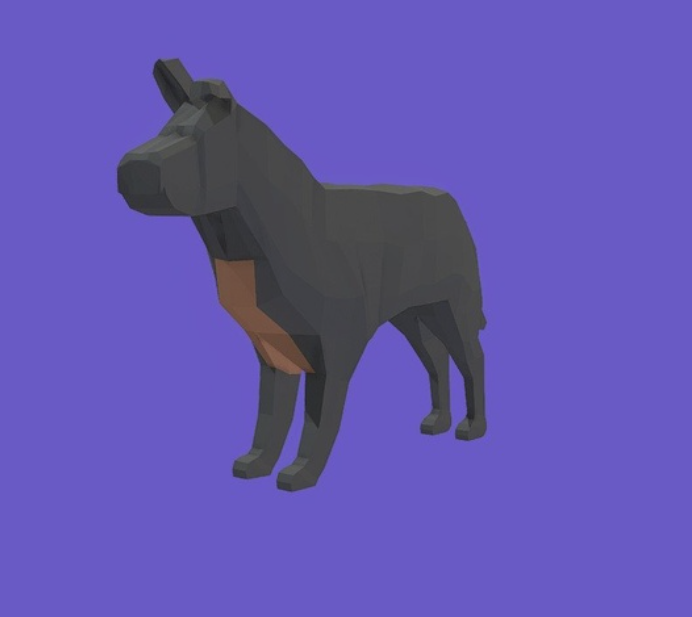
After researching and comparing different modelling styles, we decided to adopt a low-poly visual approach. From a technical perspective, this style is well suited to XR environments, supporting stable real-time performance and clear spatial readability. Conceptually, the simplified geometry helps maintain a light and approachable tone for the wedding setting, aligning with our intention to avoid visual heaviness or emotional pressure.
Once the visual direction was established, we began building the core scenes of the project. At this early stage, the focus was not on detail or decoration, but on spatial layout and scale. We translated our planned wedding flow into three-dimensional space, including entrance areas, transitional zones, and the main ceremony space, in order to test whether the spatial sequence could support the intended embodied experience.
Working in a low-poly style also encouraged us to pay closer attention to form, colour, and proportion as tools for guiding attention. With visual detail reduced, the hierarchy of spaces, the clarity of movement paths, and the prominence of key areas became more dependent on structural design. This process reinforced our understanding of how spatial design directly shapes embodied experience.
Leave a Reply