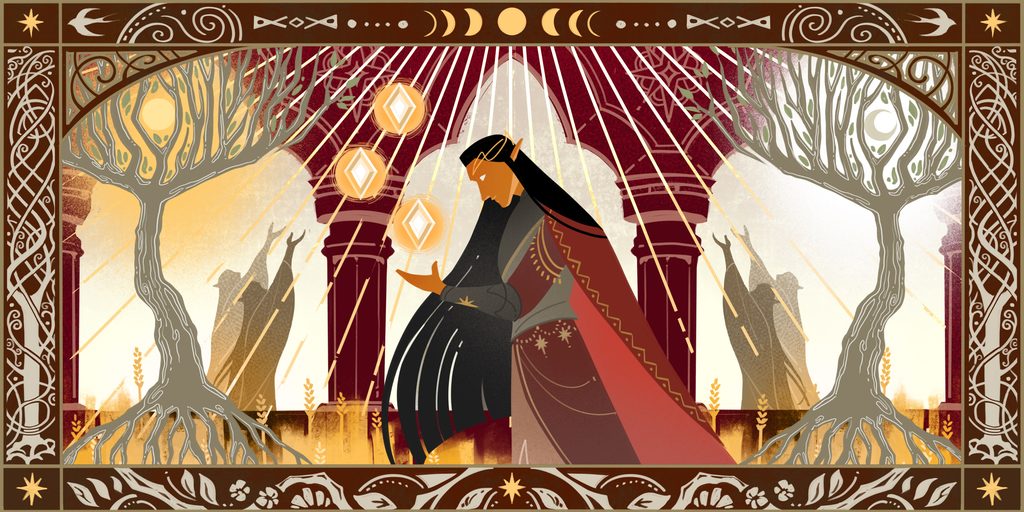
This week, after talking with my tutor, I decided to end my VR story with Fëanor’s death. I liked the way my full storyboard began and ended. At the start, Fëanor makes the Silmarils. At the end, his sons finally hold those same jewels, but the jewels burn their hands. For someone new to The Silmarillion to understand that ending, I would have to introduce several generations of characters and show how the jewels passed from one person to another. That would leave too little time for each scene.
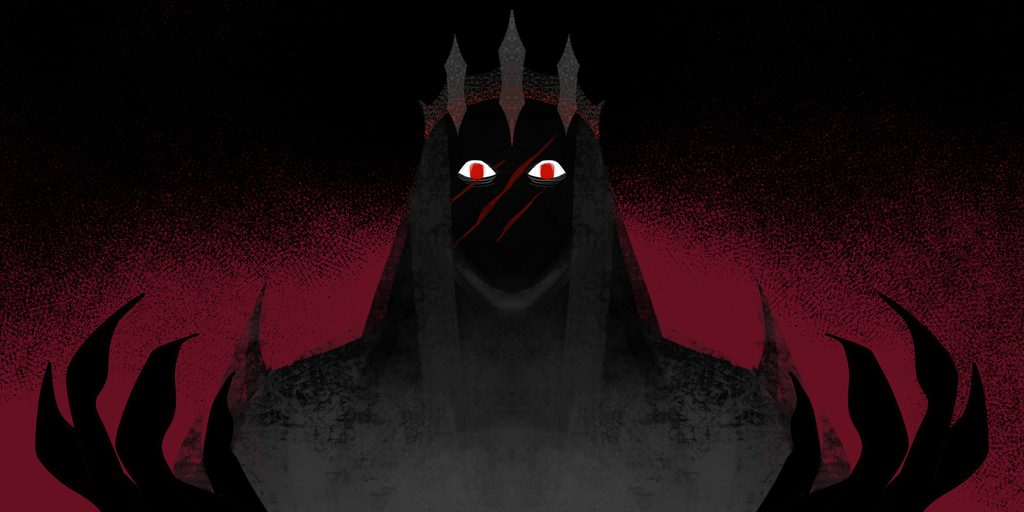
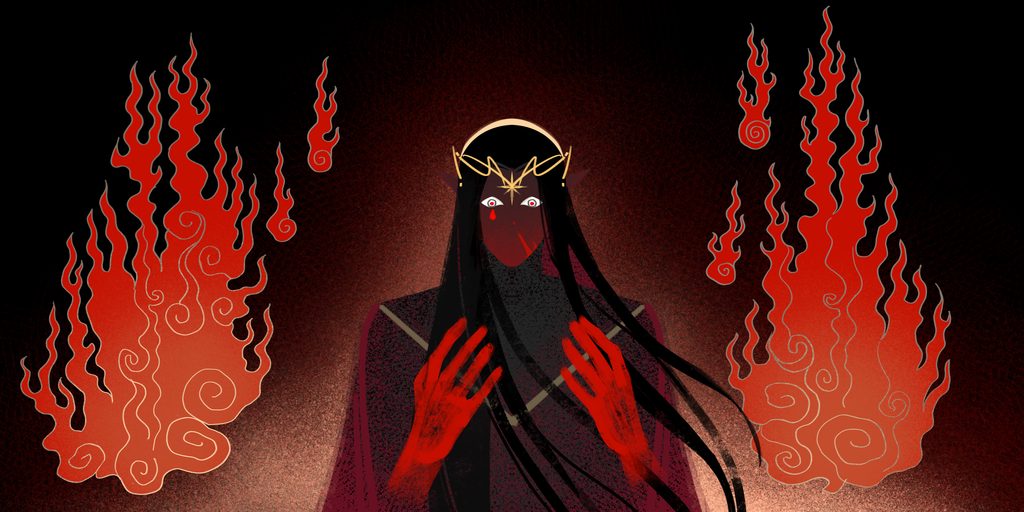
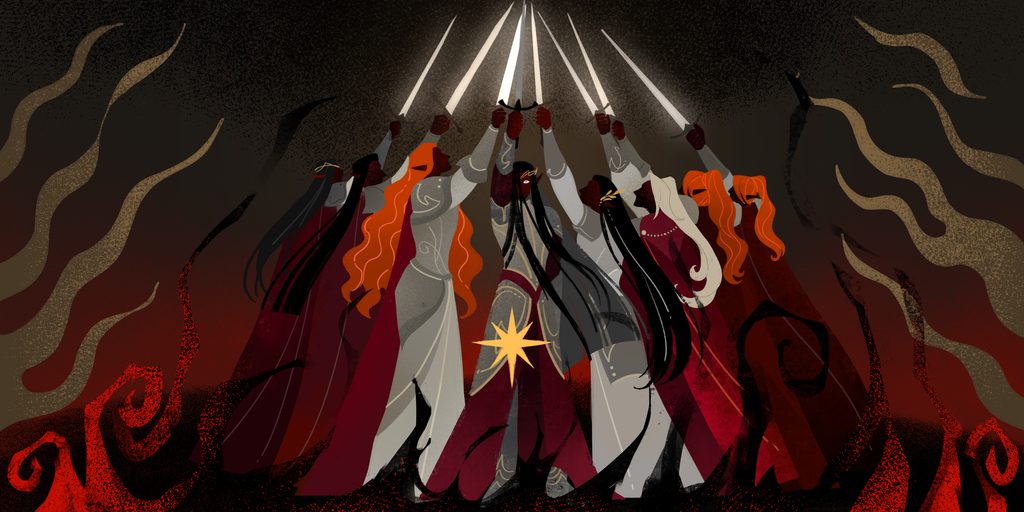
Ending with Fëanor’s death means the viewer can follow one person’s story from beginning to end. Fëanor makes the jewels, loses them and swears an oath to get them back. At the harbour, he draws his sword against his own people. Later, in Middle-earth, he chases the enemy alone and is surrounded by Balrogs. I like this ending because the viewer has seen how the oath shapes his choices. His story ends here, but his seven sons have made the same promise and must carry it with them.
Once I chose the ending, I picked out the scenes I wanted to keep and started drawing the illustrations. Last week’s test in Mental Canvas helped me think about each drawing as a small paper stage. As I sketched, I asked myself: where should each character stand? What could I partly hide behind a shape in the foreground? Which action did the viewer need to see at a glance?
Leave a Reply