Independent work and Tutorials
In Week 6, our discussions became more focused on the central symbolic figure in the story—the dog—and how it should be represented within the XR experience. Rather than expanding the narrative, this week was about refining and questioning a single core element, as we began to recognise how strongly the form of the dog would shape the overall tone and accessibility of the project.
Initially, we considered presenting the dog as a ghostly or intangible presence. This idea emerged from our desire to emphasise its symbolic nature, treating the dog as an emotional projection rather than a literal character. However, as we discussed this approach further, we became aware that such an abstract representation might create emotional distance for the participant and weaken the warmth of the family dynamic we were trying to convey.
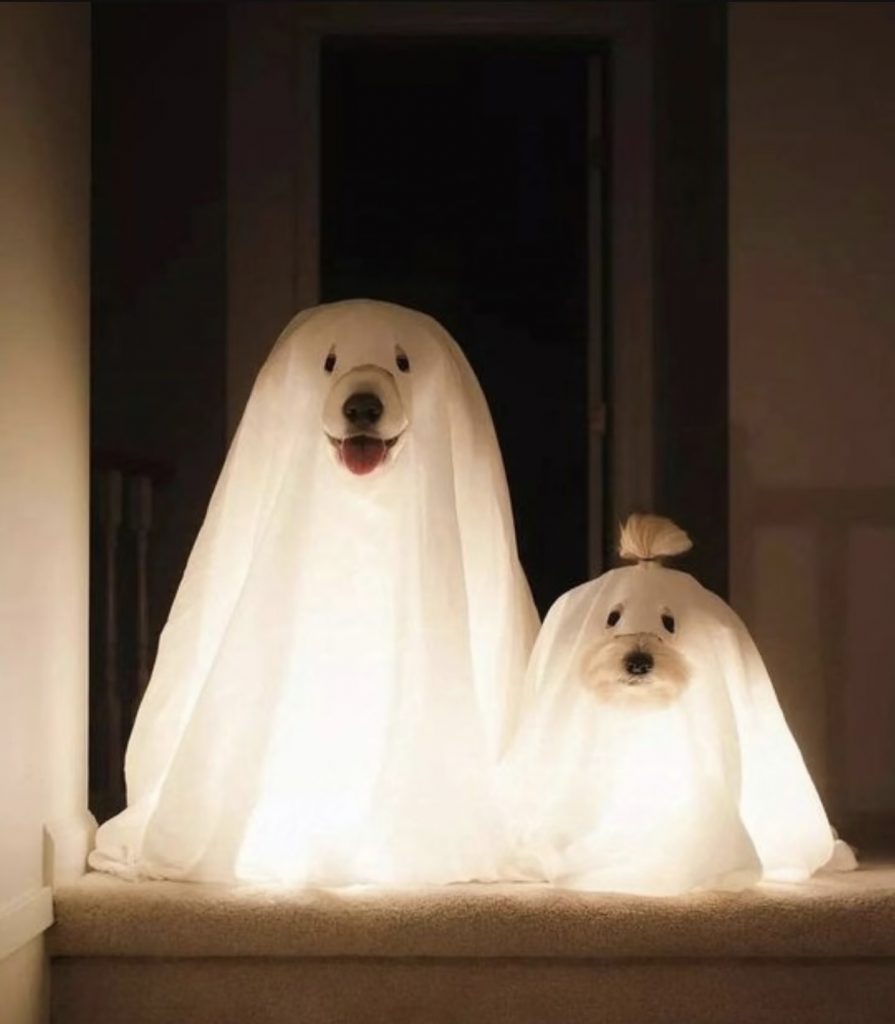
Following feedback from our tutor, we shifted toward imagining the dog as a physical, tangible presence. This change was not merely a visual adjustment, but a reconsideration of how the experience would be received. A physical dog allows the family’s behaviour—treating it seriously and addressing it with care—to feel more grounded and believable, even within a surreal narrative context. This helped us realise that symbolism in XR does not necessarily need to rely on overtly unreal forms, but can be embedded in everyday actions and attitudes.



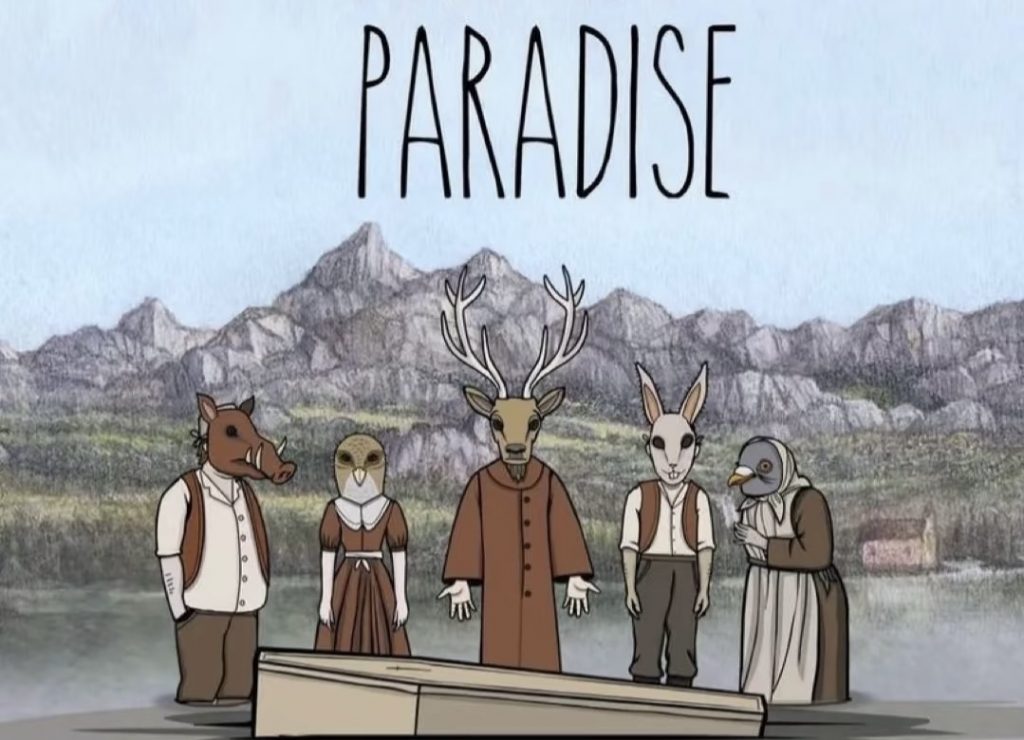
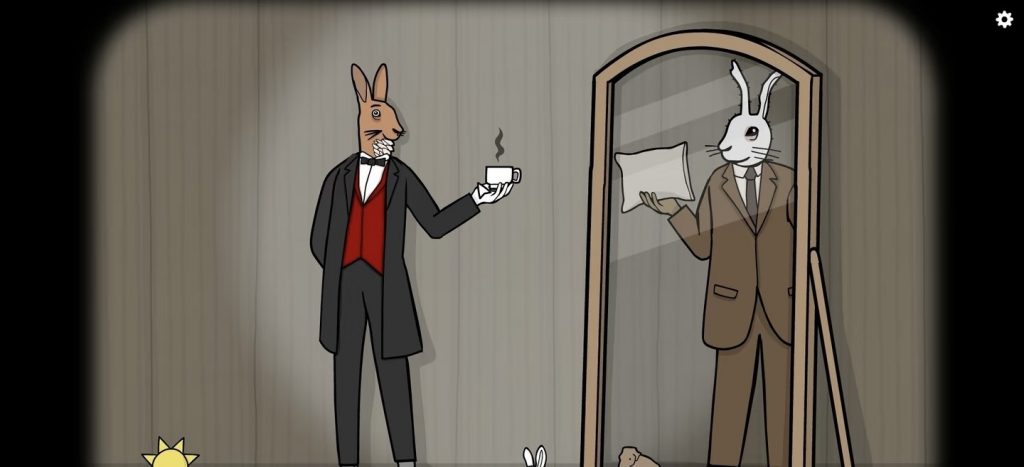
During this process, we also explored a more exaggerated visual direction inspired by Rusty Lake, specifically the idea of a humanoid figure with a dog’s head. This option was ultimately rejected, as it pushed the tone of the project toward something darker and more unsettling than we intended. Since our aim was to create a wedding experience that felt relatively light, and even subtly comedic on the surface, such a grotesque form risked overshadowing the emotional nuance of the story and shifting audience expectations too strongly.
These discussions made it clear that the form of the dog is not just a symbolic choice, but a key factor in establishing the emotional tone of the experience. Overly abstract or disturbing imagery could draw attention away from the relational dynamics at the heart of the story, causing participants to focus on decoding the concept rather than engaging with the emotional situation.
Leave a Reply