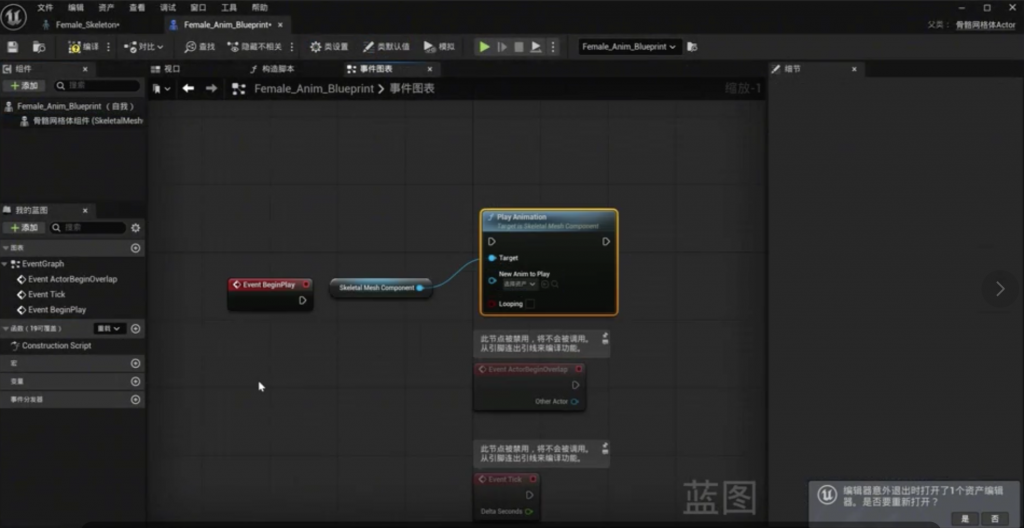
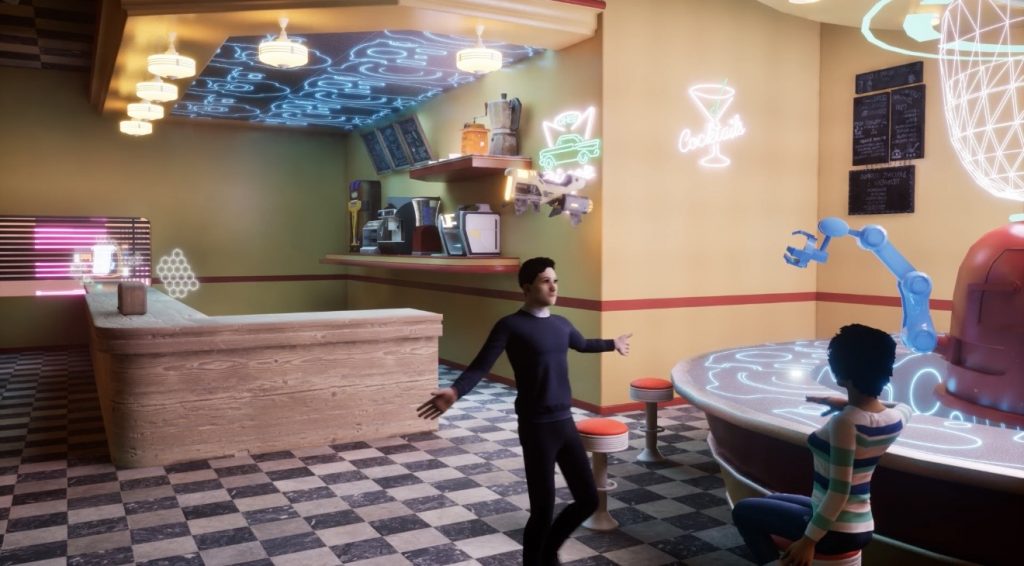
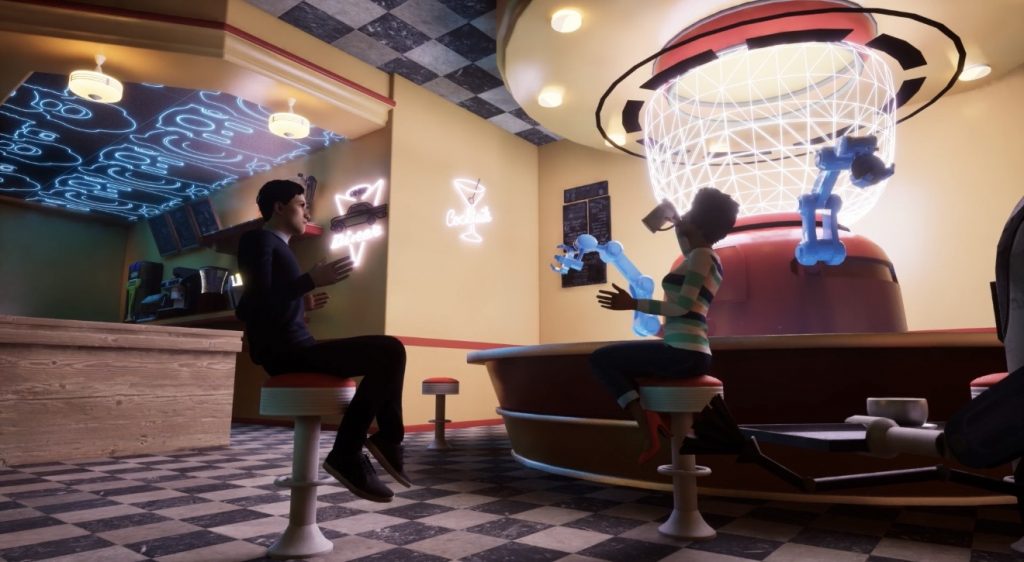
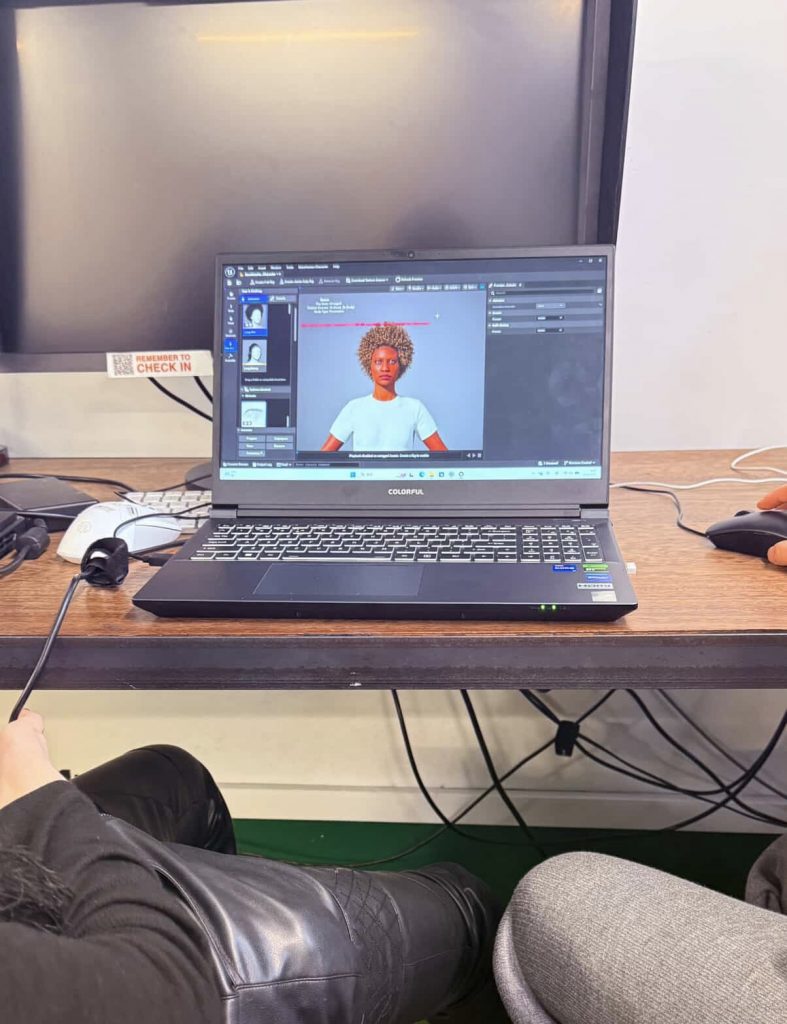
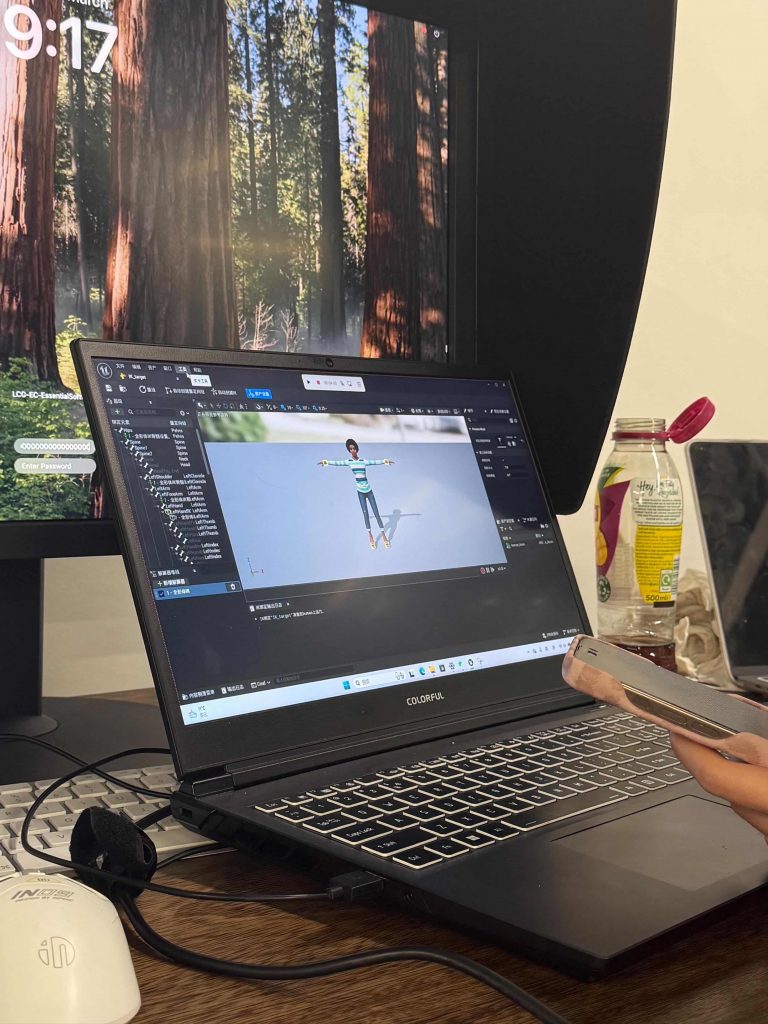
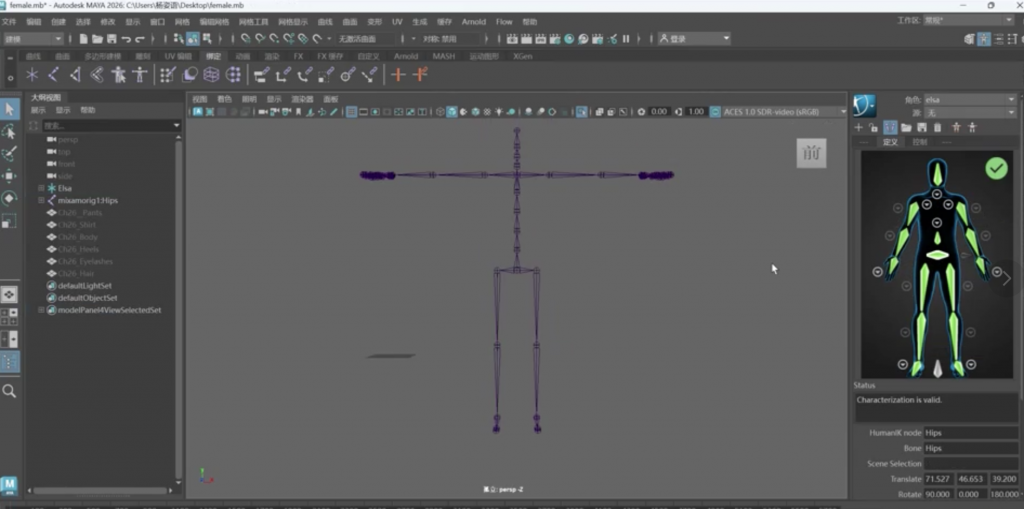
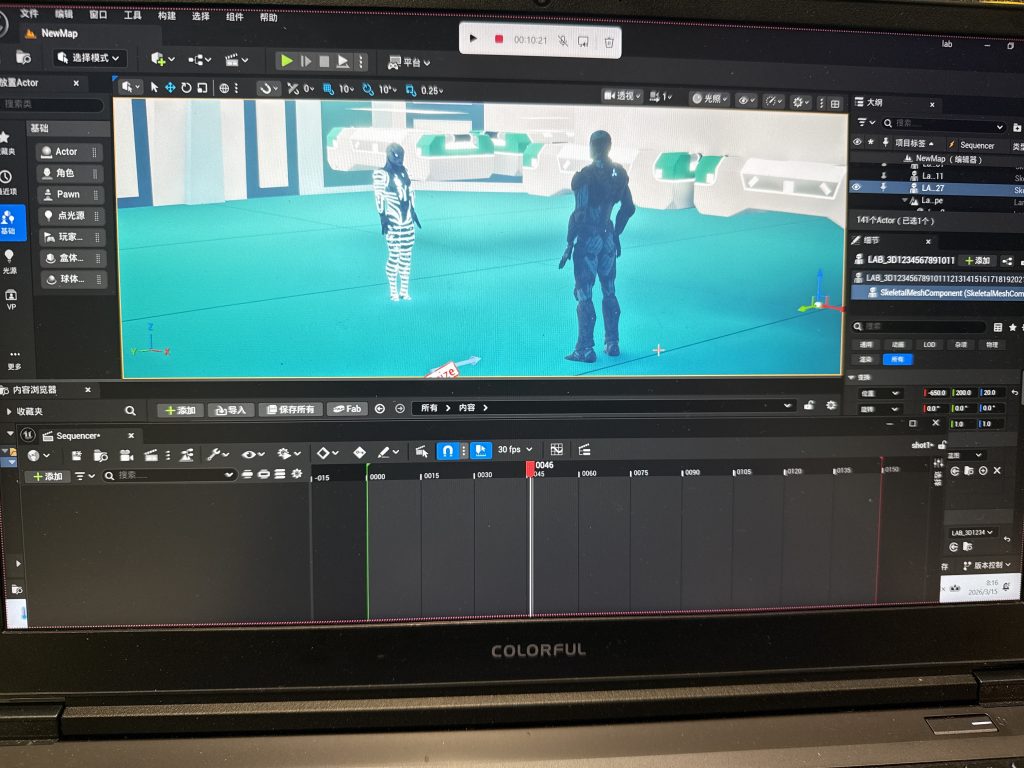
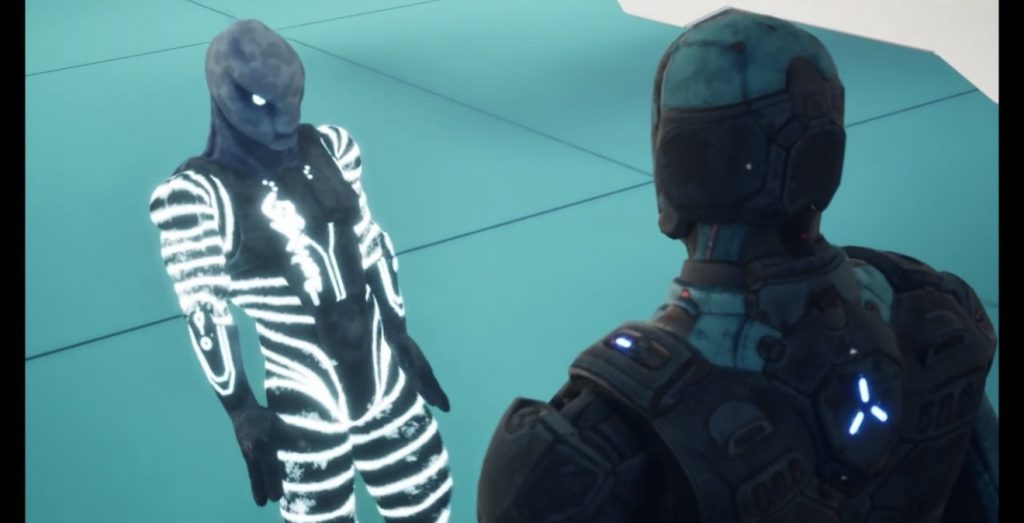
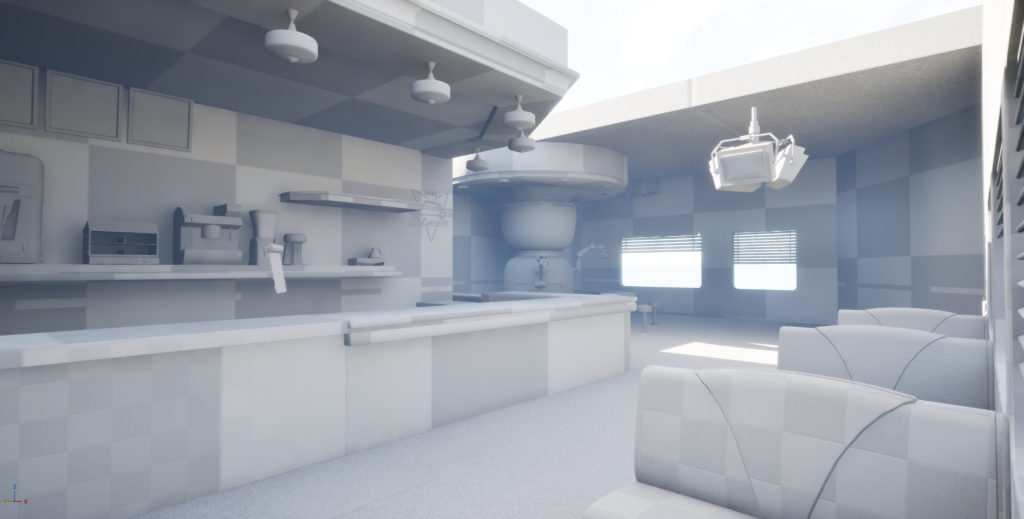
In Week 10, we rendered the café scene, but encountered bugs with the character.
I experimented with Unreal Engine Blueprints to fix the issue, and successfully resolved it. In the end, we completed the café scene and finished the final editing.
In Week 9, we completed the rendering of the lab scene.
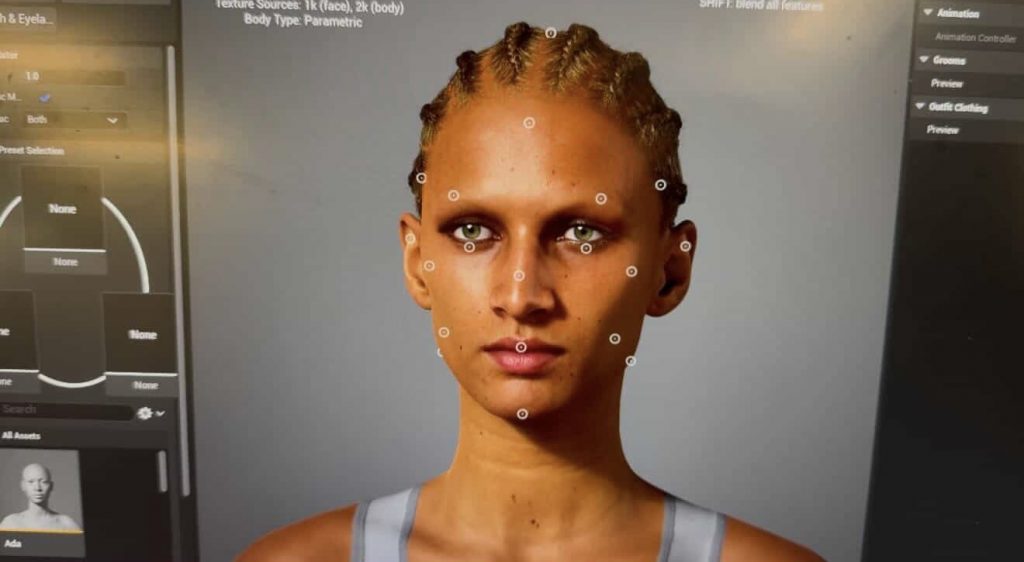
We also attempted facial capture for the café scene, but encountered issues with MetaHuman rigging, which resulted in a failed setup. I may revisit and try facial capture again in the future.
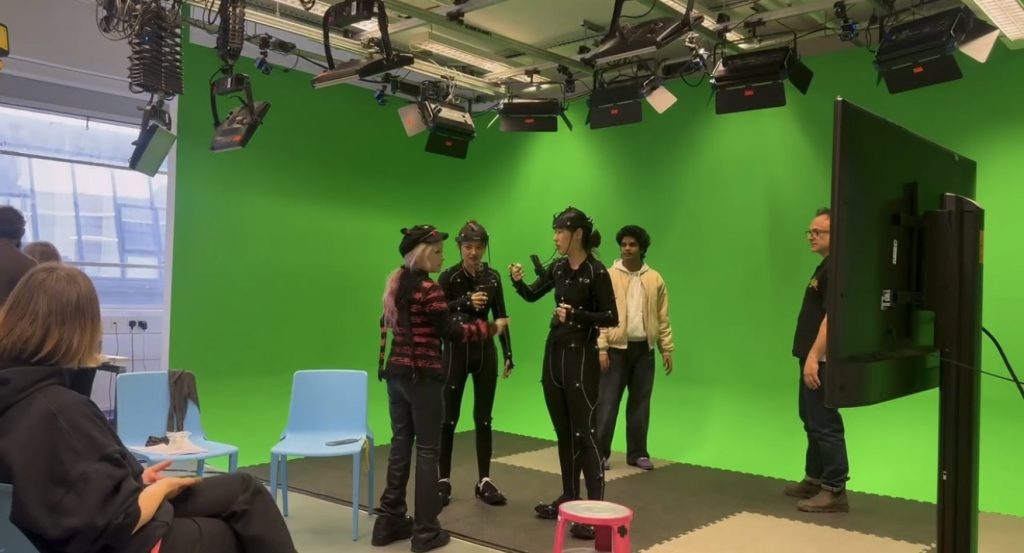
In Week 7, we completed our motion capture shoots.
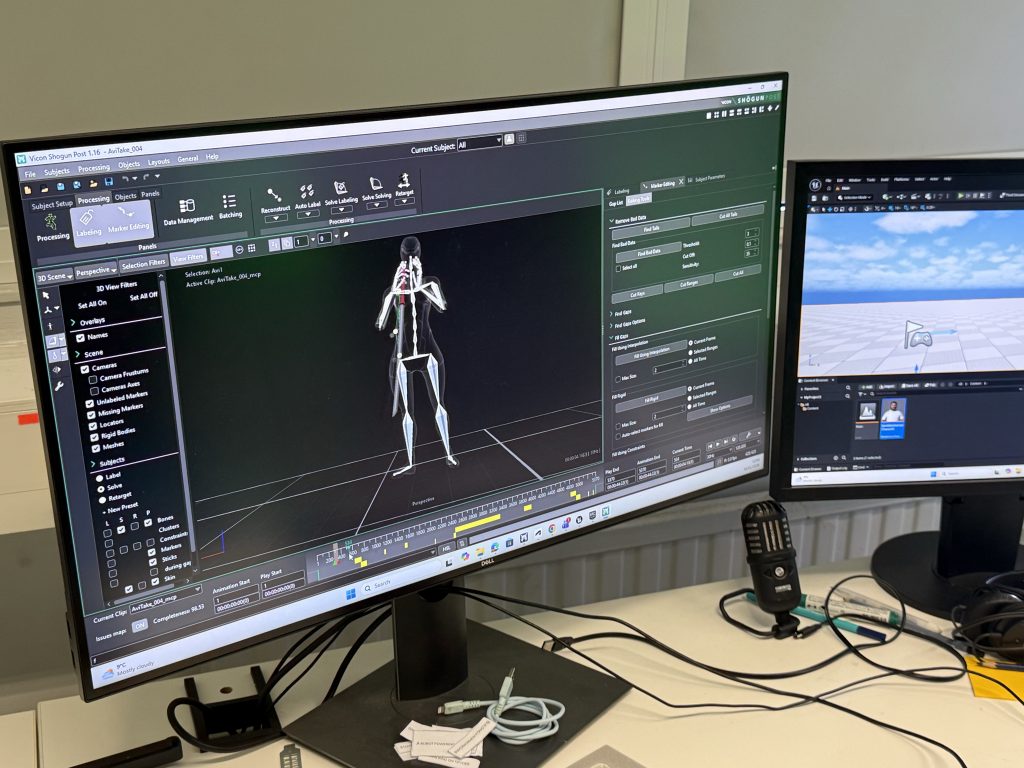
We recorded the remaining sequences, downloaded the motion data, and tested them in real-time software such as Unreal Engine to understand timing and scene setup.
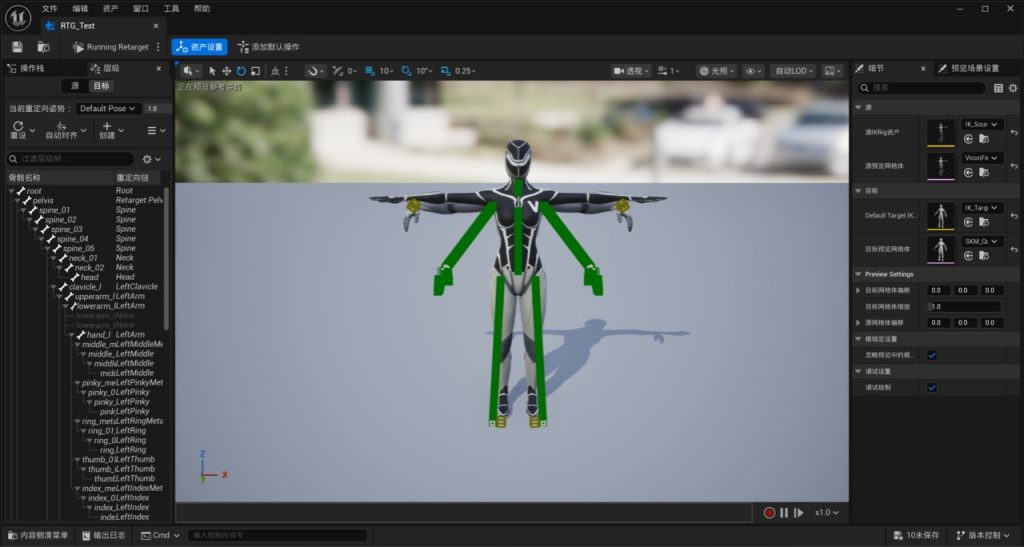
Screenshot
I also retargeted the motion data onto the characters in Unreal Engine.
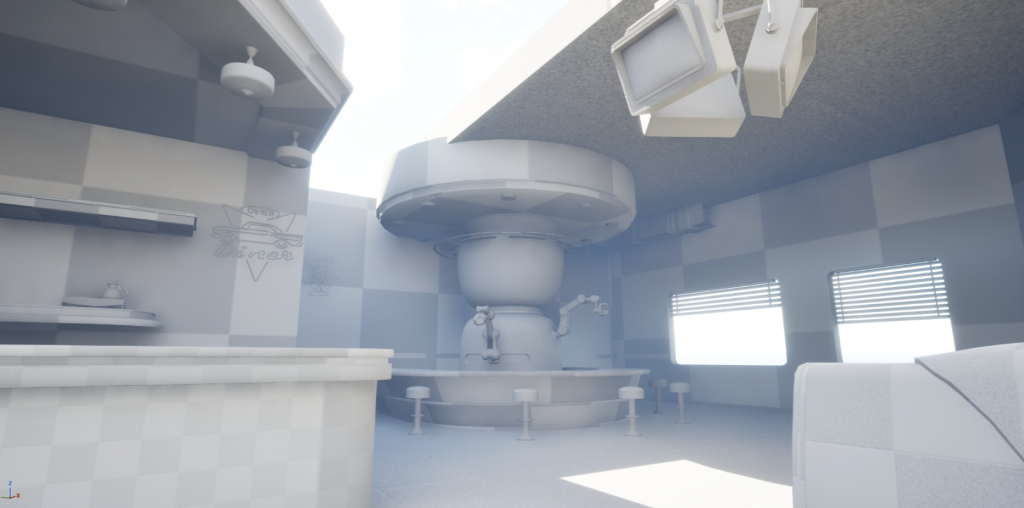
Week 6, we started building our environments and assets.
We created scene elements using a combination of online resources and original models, and focused on adjusting textures to match the overall tone of the project.
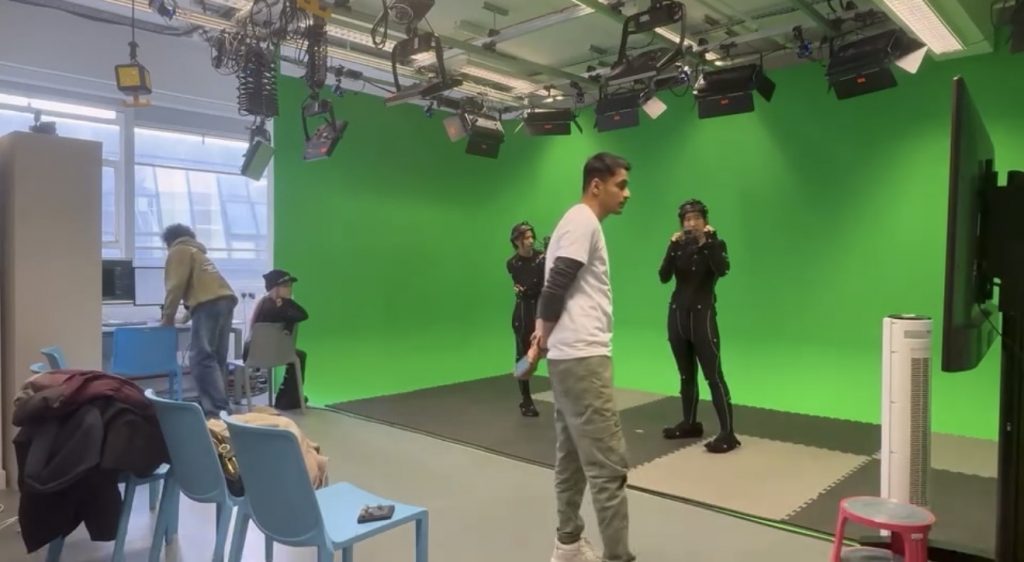
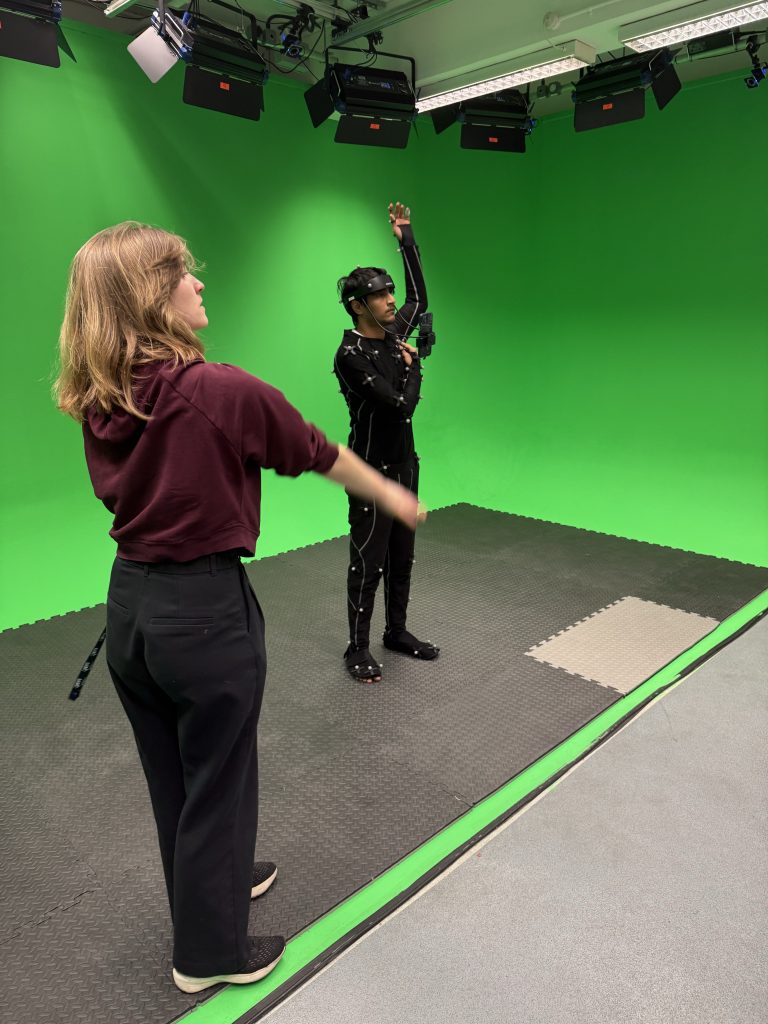
In Week 5, we carried out our first motion capture session.
During the shoot, I performed as the humanoid character, focusing on controlled and slightly mechanical body movements. We recorded key actions and interactions that would later be used in the animation.
This process helped us understand how performance translates into digital characters through motion capture.
In Week 4, we held online group meetings to develop our project ideas, including script writing, reference research, and storyboard creation.
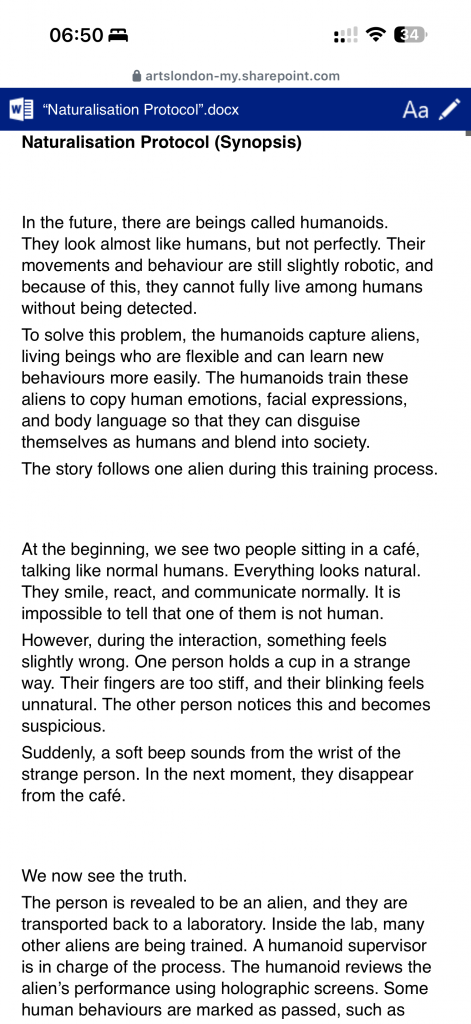
The story is set in a future where humanoids train aliens to imitate human behaviour in order to blend into society. The aliens learn human emotions, facial expressions, and body language through a controlled training process.
The narrative follows one alien as it undergoes testing, moving between a café setting and a laboratory. Through repeated trials, the alien gradually improves its behaviour, becoming more natural and eventually passing the test.
The story focuses on subtle differences in human behaviour, such as micro-expressions, gestures, and timing, which are especially suitable for motion capture performance.
In Week 2, we formed our group. All members shared an interest in motion capture–based projects, which allowed us to quickly agree on a general direction.
We decided to focus on a project that combines performance and digital production through motion capture.
In the first week, we had an initial meet session. I communicated with students from 3D Animation and VFX, sharing our interests and discussing potential project directions.